A garage door is something most homeowners use multiple times a day without thinking twice about it. You press a button on your remote, the heavy door glides open, you pull your car inside, and it closes shut. But when your garage door gets out of whack, it becomes much more than a minor annoyance. It quickly turns into a major security risk and a serious physical hazard for your family.
Living in South Florida brings unique home maintenance challenges. In coastal communities like Hollywood, FL and surrounding Broward County, high heat, salt air, and heavy humidity can wreak havoc on metal hardware and wooden panels alike. Moisture speeds up rust on critical moving parts, while heat can cause electrical components inside opener motors to overheat and fail prematurely. Here are some common garage door problems and how to solve them.
1. Off-Track Garage Doors: The Silent Threat to Home Safety
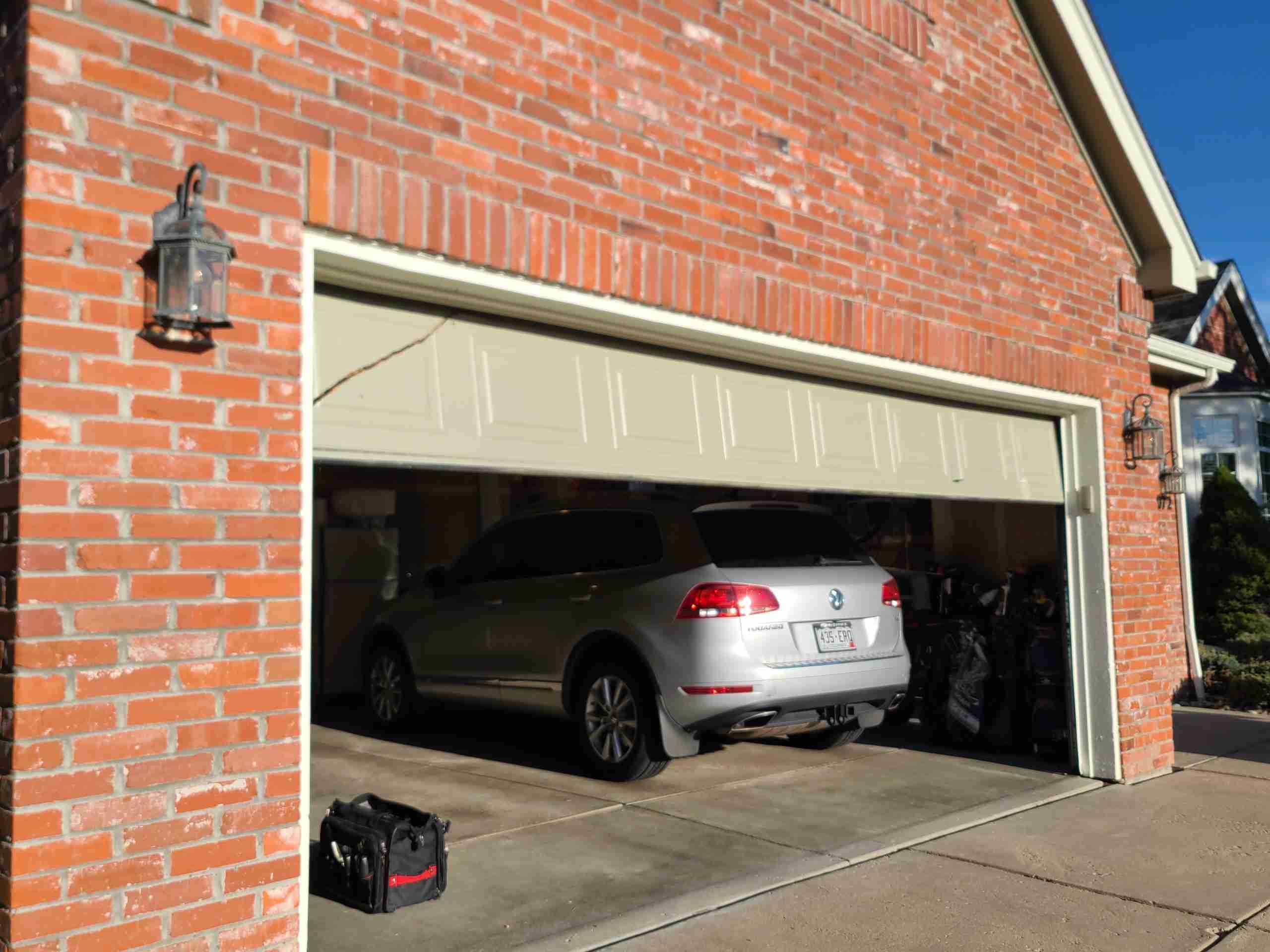
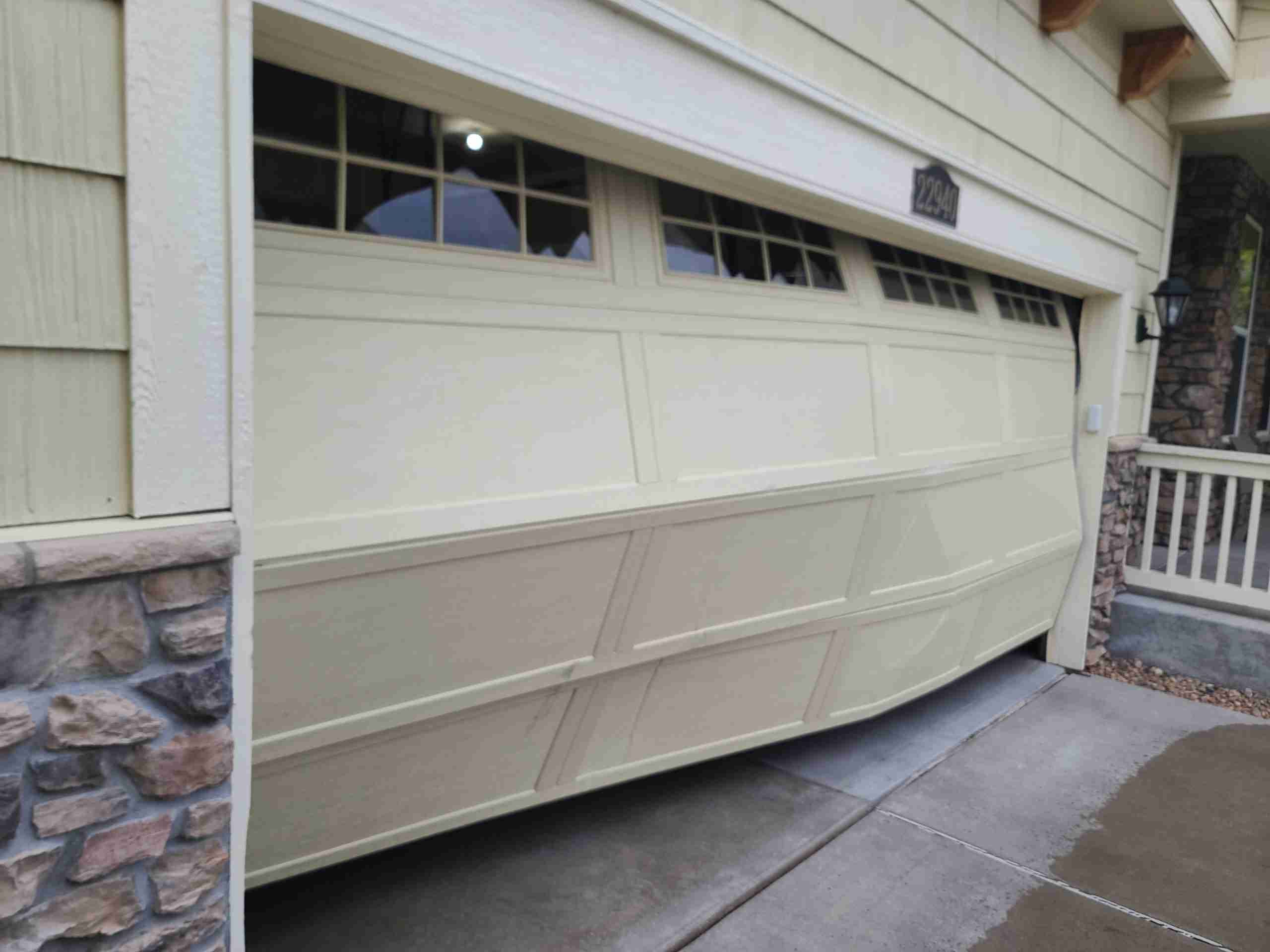
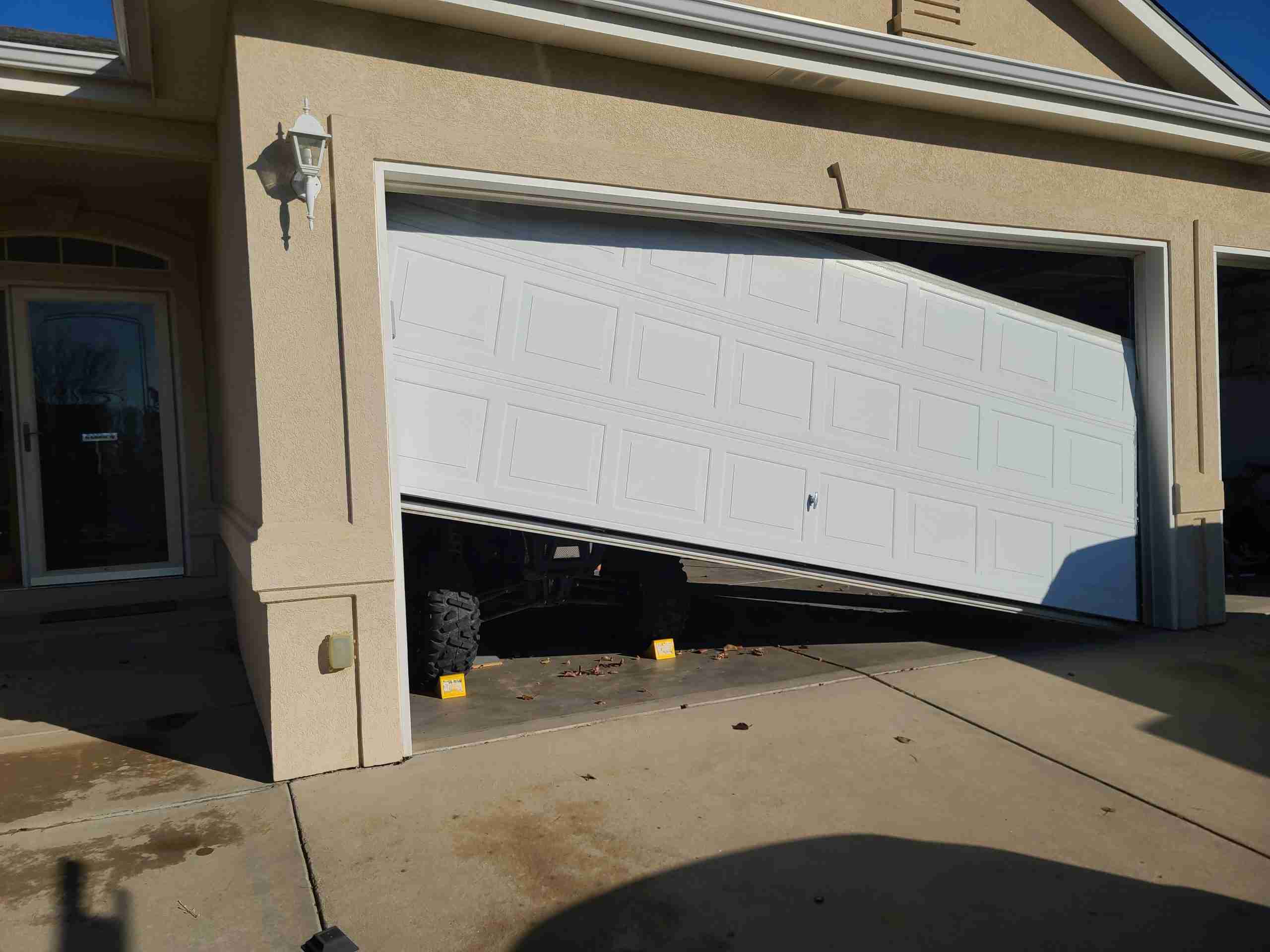
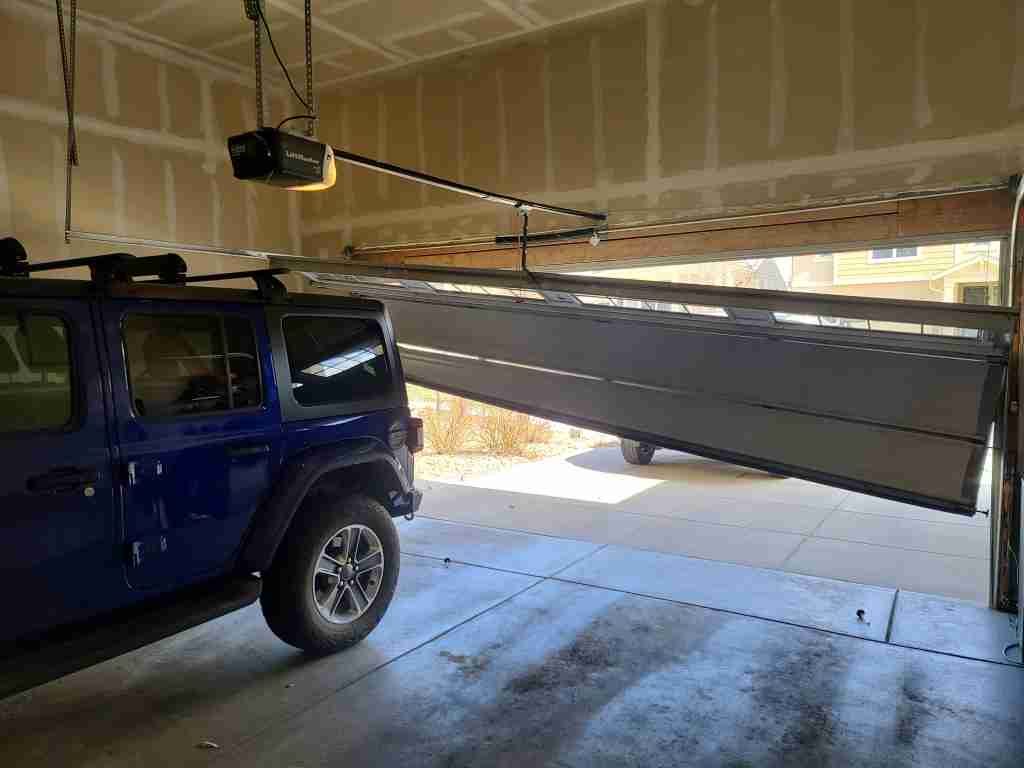
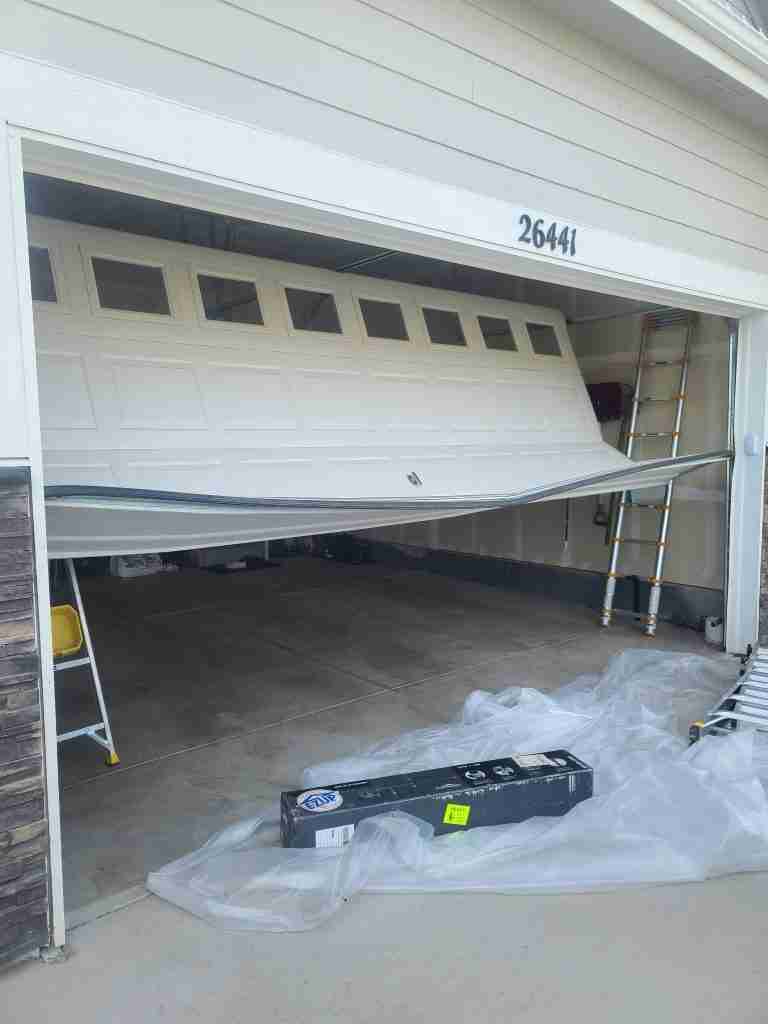
When a garage door stays properly inside its tracks, a series of small steel or nylon rollers guide hundreds of pounds of door panels up and down along a perfectly straight path. However, when a track becomes bent, warped, or clogged with debris, the rollers can slip out of place. An off-track garage door is one of the most urgent emergency repair situations a homeowner can face.
Common Causes of Off-Track Doors
- Debris Build-Up: Over time, dirt, sand, lawn clippings, leaves, and spiderwebs pack tightly into the narrow grooves of the metal tracks. This buildup prevents rollers from rolling smoothly and can force them to jump out of the channel.
- Accidental Vehicle Impacts: It only takes a minor tap with a car bumper, a trash can, or a heavy lawnmower to bend a vertical track section out of alignment.
- Worn-Out Rollers: As rollers age, their bearings wear out and wobble. Loose rollers easily catch on track seams and pop out.
- Snapped Lifting Cables: High-tension steel cables run alongside the tracks to support the door weight. If one cable frays or snaps, the entire weight shifts to one side, twisting the door and popping it completely off track.
What We Do to Fix It
Attempting to force an off-track garage door back into place by yourself is extremely dangerous. The heavy panels are under massive tension, and forcing the door can cause the entire structure to collapse onto your vehicle or crash onto the garage floor.
Our technicians safely secure and brace the door weight using industrial clamps. We then inspect the full track assembly, realign crooked metal sections, replace badly corroded or bent tracks, install heavy-duty replacement rollers, and adjust cable tension. We finish with a complete movement test to ensure the door opens without grinding or binding.
2. Garage Door Opener Unreliability and Motor Strain
Your garage door opener is the brain of the entire door system. Modern openers rely on a combination of electric motors, drive belts or chains, circuit boards, and radio receivers. An opener that squeaks loudly, moves with a long delay, or fails to respond at all usually signals that the motor is fighting against mechanical strain or electrical wear.
Root Causes of Opener Failure
- Stripped Internal Drive Gears: Most household openers use plastic drive gears inside the main motor housing. Over years of lifting heavy doors, these gears wear down until the motor spins without moving the door chain or belt.
- Photo-Eye Sensor Misalignment: Safety sensors sit near the floor on both sides of the door frame. If dust covers the lenses, if the mounting brackets get knocked out of alignment, or if sunlight shines directly into the receiver, the opener will refuse to close the door.
- Dying Motor Capacitors or Wiring: Voltage spikes, storms, and high humidity inside the garage can short out circuit boards or weaken the motor capacitor, causing the motor to hum without moving.
- Dead Remote Batteries or Receiver Interference: Sometimes the motor itself is fine, but the hand-held remote batteries are dead, or external radio signals are jamming the remote frequency.
Our Repair Approach
When we perform garage door opener repair in Hollywood, FL, we do not just replace parts at random. We run a diagnostic check across the entire opener system. We inspect internal motor gears, re-tighten loose drive chains or belts, calibrate travel limits, test safety sensor signals, and replace worn wiring or logic boards. A properly serviced opener opens and closes smoothly with a simple tap of a button.
3. Garage Door Spring Breakdown: The Bedrock of Smooth Operation
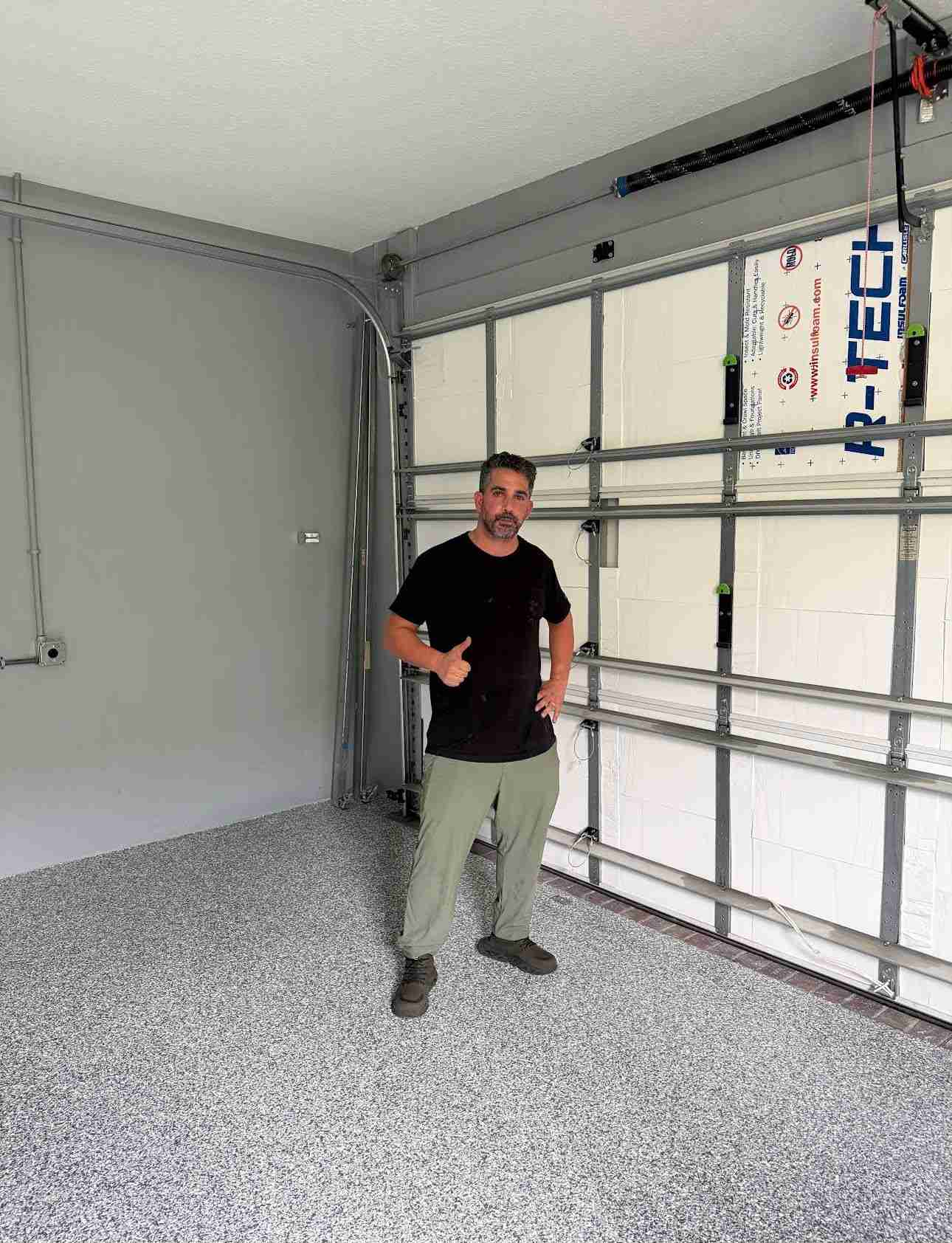
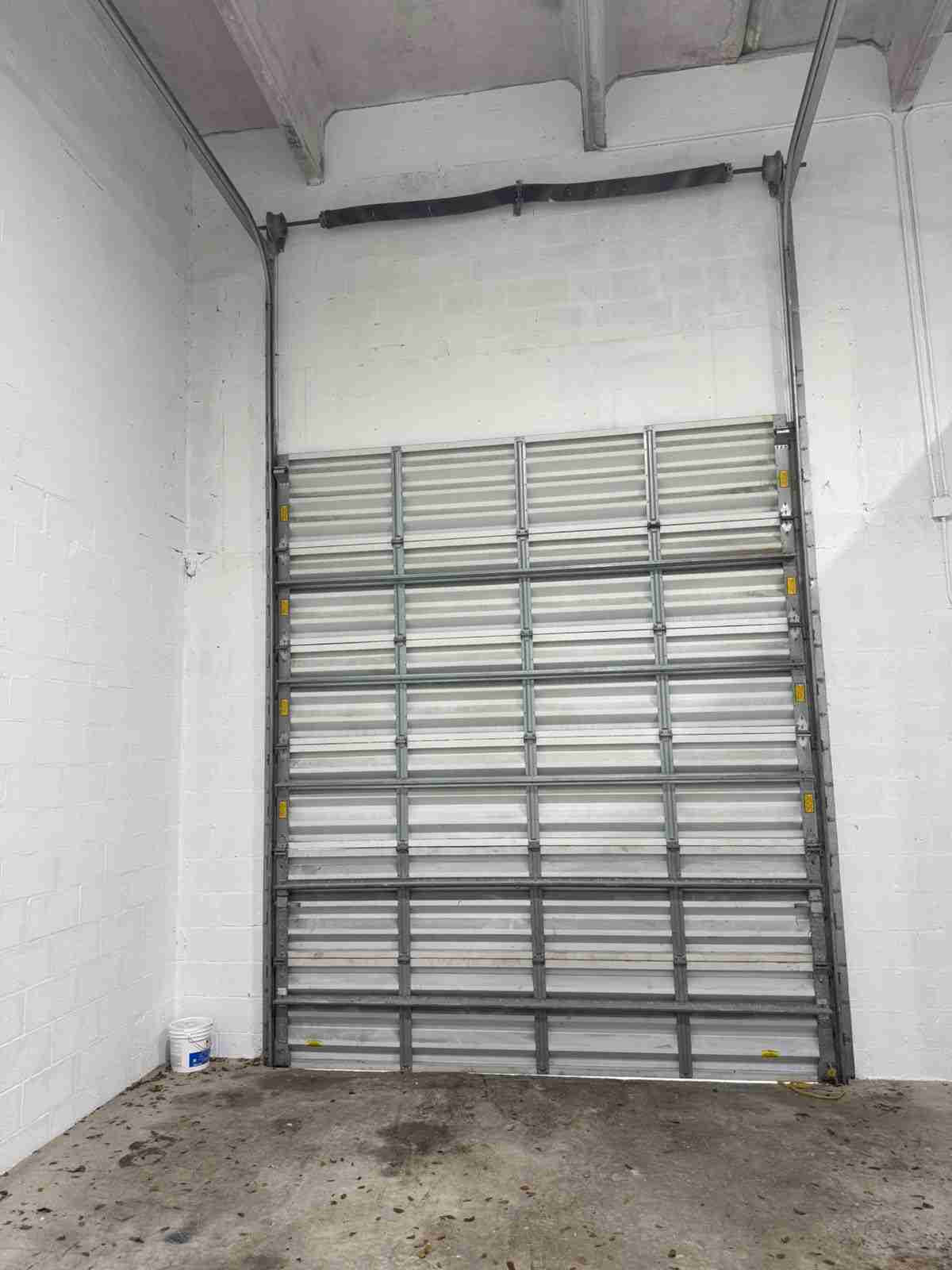
Many homeowners believe that the opener motor does all the heavy lifting when a garage door opens. In reality, the opener merely guides the door along the tracks. The real work is performed by high-tension garage door springs mounted above the door (torsion springs) or along the side tracks (extension springs).
These springs wind tight to store energy when the door closes and release that energy to lift hundreds of pounds when the door opens. Because they are under constant pressure, springs face tremendous physical stress every day.
Signs of Spring Trouble
- Visible Gaps in the Spring Coil: When a torsion spring snaps, it unwinds completely, leaving a clear gap of several inches in the steel coil above the door.
- A Loud Bang in the Garage: A breaking spring releases its tension instantly, producing a loud sound similar to a gunshot or fireworks explosion inside your garage.
- The Door Feels Unusually Heavy: If you disengage the emergency release cord and try to lift the door by hand, a broken spring will make the door feel almost impossible to raise.
- The Door Opens a Few Inches and Stops: Modern openers detect when a spring has broken and will stop lifting automatically to prevent burning out the motor.
What We Offer
Because garage door springs store high tension, attempting to replace them without professional winding tools and specialized training can cause catastrophic injury or property damage.
Our spring replacement service includes a thorough inspection of your door balance, installation of high-grade corrosion-resistant steel springs sized specifically for your door weight, new winding cones, and a post-service balance test. Proper springs ensure your door lifts effortlessly, stays balanced mid-way, and operates quietly.
4. A Comprehensive Maintenance Checklist for South Florida Homeowners
Staying proactive with simple maintenance can prevent small issues from turning into middle-of-the-night emergency calls. Spending just ten minutes every few months checking your garage door hardware keeps everything running smoothly and extends the lifespan of your system.
Easy Maintenance Steps You Can Take:
- Inspect Annually for Rust and Corrosion: Walk around your garage door once a year and look closely at the metal springs, hinges, bottom brackets, and tracks. Look for orange rust flakes or metal pitting caused by South Florida humidity.
- Lubricate Moving Parts Twice a Year: Spray a specialized silicone or lithium garage door lubricant onto metal rollers, hinges, track curves, and coil springs every six months. Never use standard WD-40 or heavy axle grease. WD-40 acts as a solvent that strips away essential oil, while heavy grease attracts sand and grit that grinds down gears.
- Check Safety Sensors Regularly: Keep the small glass lenses near the bottom of your door tracks clean by wiping them with a soft microfiber cloth. Make sure no cobwebs, outdoor gear, or broom handles block the invisible light beam between the two sensors.
- Test Door Balance: Disengage your garage opener by pulling the red manual emergency release cord. Manually lift the door halfway up and let go. If the door stays in place on its springs, your door is well-balanced. If it slams down to the floor or snaps open to the top, your springs need professional adjustment.
Let’s Get Your Garage Door Back in Shape
Whether you are dealing with a noisy opener, an off-track door, or rusty springs that need replacement, you do not have to handle the headache alone. Ariel Garage Doors provides fast, reliable, and affordable repair services tailored to the unique climate conditions of Hollywood, FL and surrounding Broward County communities.
Call us today at (561) 677-2840 or visit our website to schedule your professional inspection and service!