If your garage door is on its last legs but the tracks still look okay, you have probably asked yourself this question. Swapping just the door and keeping the tracks sounds like an easy way to save some money. It seems like a small job on paper. Garage door tracks and garage door panels work as one system, and that system is built around the exact weight, height, and balance of your specific door.
In most cases, the answer is no. A licensed installer will tell you that pairing a new door with old tracks is a shortcut that looks fine on install day and causes problems a few months later. There are a few rare situations where it works, mostly when the new door closely matches the weight and size of the old one.
Why Your Garage Door and Tracks Are a Matched Pair
A garage door track is built to a specific radius, gauge, and bracket spacing that matches the door it was installed with. That radius controls how the door curves as it moves from vertical to horizontal along the ceiling. If your new door has a different curve requirement than your old track, the door will bind, scrape, or stop moving smoothly partway through its cycle.
Section height is another factor people overlook. Older garage doors often used 18 inch or 21 inch panel sections, while a lot of newer doors, especially steel and insulated models, use 21 inch or 24 inch sections. Even an inch of difference throws off where the rollers sit inside the track. Weight matters just as much. A new insulated steel door or a heavier wood door can weigh more than what your old track and spring system were built to carry. This is why a proper garage door installation and replacement job usually includes new tracks as part of the package.
Quick tip: If your track is more than 10 to 15 years old, plan on replacing it even if it looks fine on the surface. Metal fatigue and hairline rust do not always show up until the track is under real load.
Signs Your Old Tracks Are Already Struggling
Even before you think about a new door, your current tracks might already be telling you something. Watch out for these warning signs:
- The door jerks, jams, or stalls partway through opening or closing
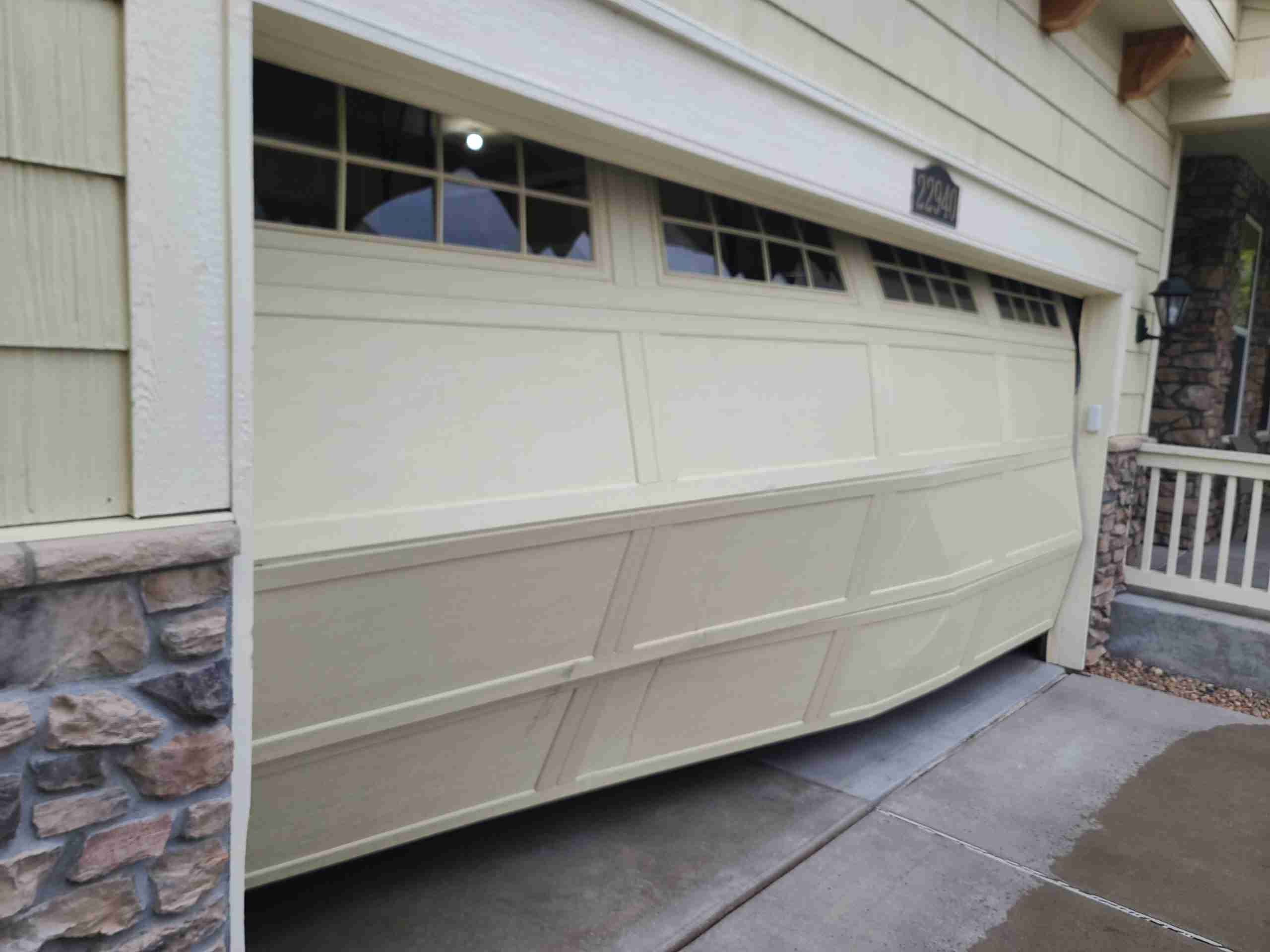
- One side of the door looks lower or crooked compared to the other
- You hear grinding, popping, or scraping sounds during operation
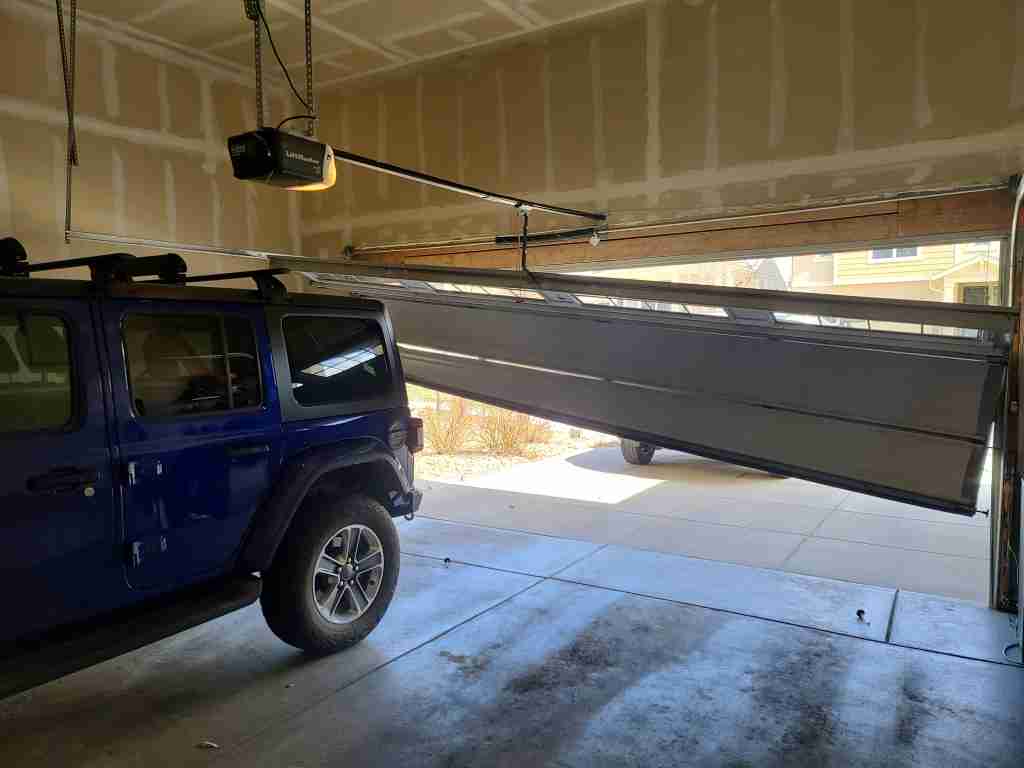
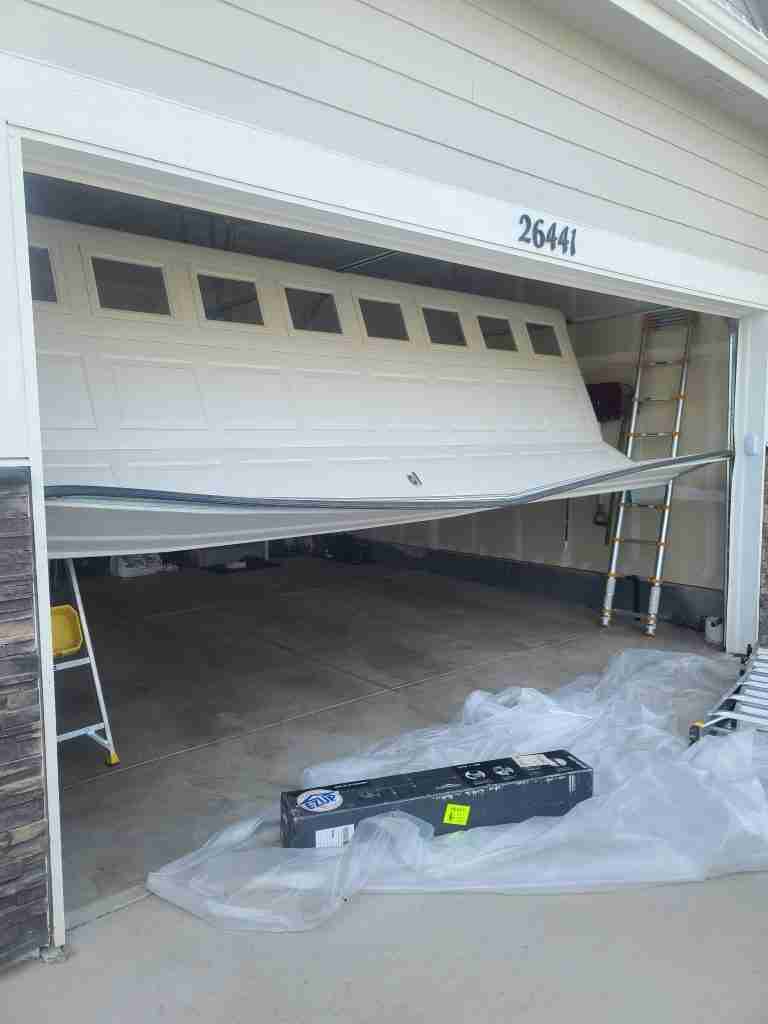
- The door has slipped off the track before, even briefly
- There is visible rust, pitting, or bent sections along the rail
- The rollers wobble or look loose inside the channel
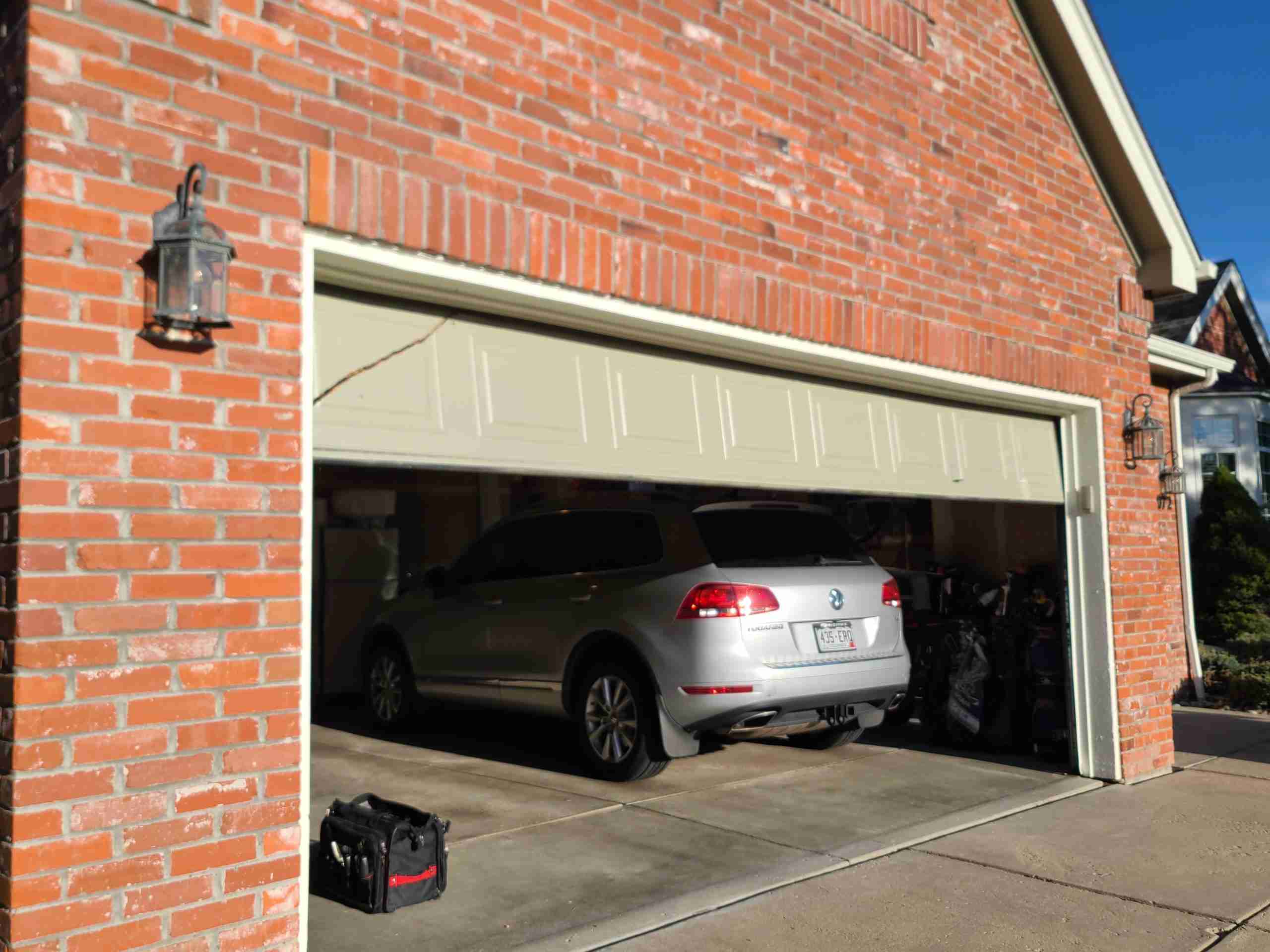
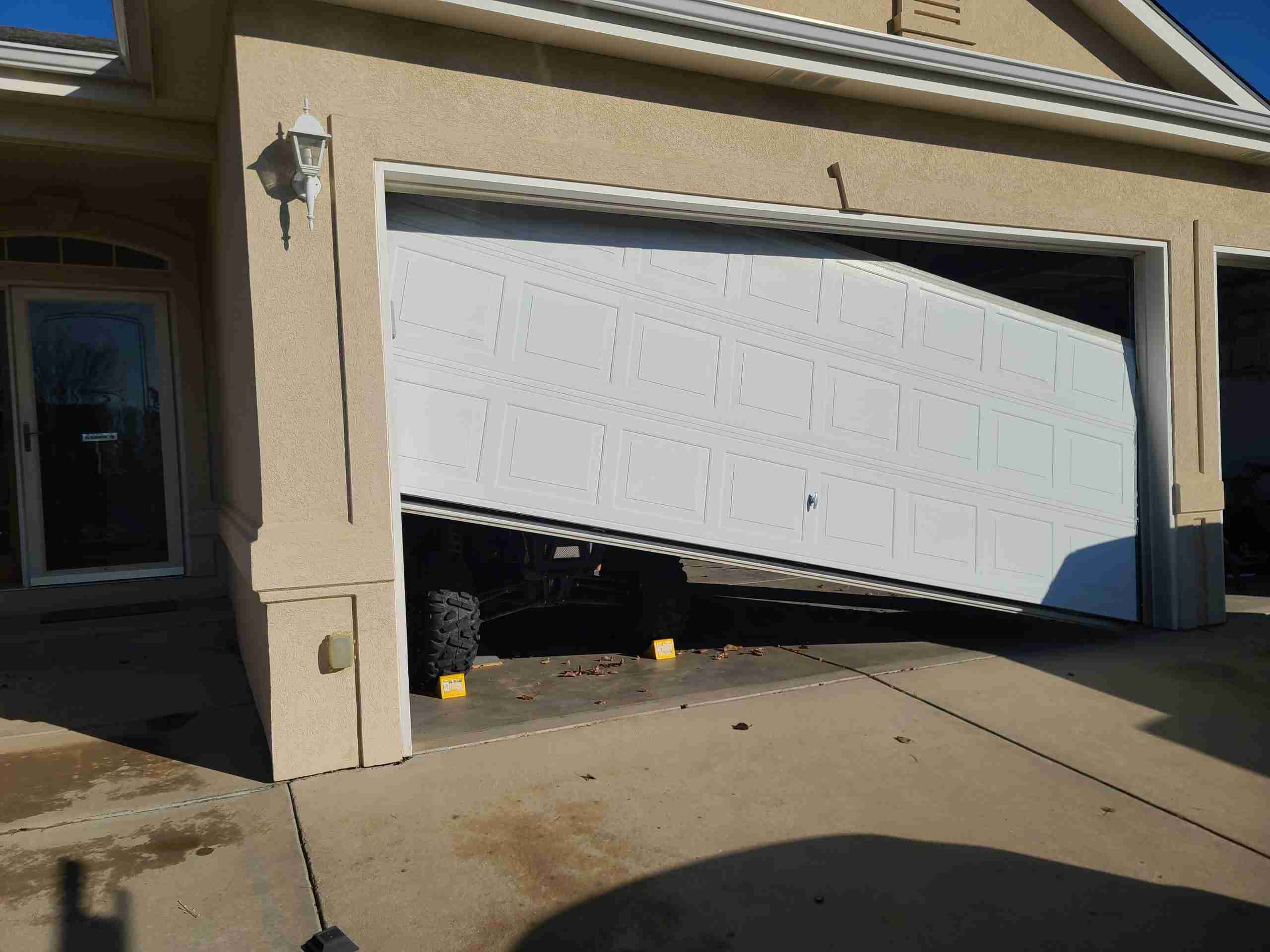
If any of that sounds familiar, your tracks are already worn past the point of being a safe base for a brand new door. A door that has come loose before is a job for off track repair, and it is worth having that looked at separately from any installation plans.
Safety note: A door that has slipped off its track before, even briefly, should not go back into service under a new door until a technician checks that the rail and brackets are still structurally sound.
Old Tracks vs New Tracks: What Actually Changes
| Factor | Old Track (Existing) | New Track (With New Door) |
|---|---|---|
| Radius fit | Built for your old door's curve | Matched to your new door's exact curve |
| Section height | Often 18" or 21" spacing | Usually 21" or 24" spacing on newer doors |
| Weight rating | Calibrated for old door's weight | Calibrated for new door's actual weight |
| Spring balance | Set for old door | Reset and matched to new door |
| Wear condition | May have rust, bends, or looseness | Fresh metal, no prior wear |
| Manufacturer warranty | Often voids new door warranty | Keeps warranty intact |
When Reusing Old Tracks Can Actually Work
There are a handful of situations where keeping the existing tracks is not a bad idea. If you are replacing one damaged panel on a door that still works fine otherwise, there is usually no reason to touch the tracks at all. The same goes for a straight swap where the new door is the same brand, same model line, same weight, and same section height as the old one. In that narrow case, the tracks were already built for a door just like the one going in.
Outside of those situations, most installers will steer you toward new tracks as part of any garage door replacement, and for good reason. A mismatched setup might function for a while, but it puts extra strain on the opener, the springs, and the rollers. That strain usually shows up as a shorter lifespan for parts that should have lasted years. If your garage door opener has been working fine and you are only replacing the door itself, most openers can be reprogrammed to match the new door’s travel and force settings, so you likely will not need a new garage door opener installer visit either.
What Happens If You Force It Anyway
Some homeowners still go ahead and try to make an old track work with a new door, usually to save on the upfront cost. Here is what tends to happen down the line:
- The door struggles to close all the way or leaves a gap at the bottom
- Springs get mismatched to the new weight, which strains the opener motor
- Rollers wear out faster from sitting at the wrong angle in the channel
- The door becomes noisier over time as parts fight against each other
- Manufacturer warranties on the new door get voided
- Insurance claims after storm or impact damage can get complicated if the track and door were never a matched set
None of these show up on day one. They build up slowly, which is part of why the shortcut feels harmless at first.
Why This Matters More in South Florida
Homes here in Broward, Miami-Dade, and Palm Beach counties deal with salt air, humidity, and hurricane requirements that most other regions do not think about. Older tracks in this climate corrode faster than they would somewhere drier, even if they look fine from a quick glance. On top of that, a lot of homeowners are upgrading to hurricane-rated or wind-load doors, which are noticeably heavier than a standard door from ten or fifteen years ago. Putting that extra weight on a track that was never built for it is a bigger risk here than it might be elsewhere. If you are unsure what kind of door fits your home and your budget, it helps to look at the different types of garage doors available before deciding, since weight and material vary a lot between them.
Weighing the Cost
The upfront price of new tracks can feel like an unnecessary add-on when your old ones still look usable, especially once you are already weighing the cost to replace a garage door. But the math tends to work out differently once you account for repeat service calls, premature spring failure, and opener strain. A worn spring paired with a mismatched track puts uneven pressure on the whole system, and that is usually when people end up calling for spring repair sooner than expected. Paying for new tracks alongside the new door once is almost always cheaper than paying for a string of small repairs over the following year or two.
There is also the labor side to think about. Installing a new door on old tracks does not actually save much time either, since the installer still has to remove the old door, check alignment, and reset the spring tension either way. The parts cost is often the only real savings, and it is a small one compared to the risk.
The Smart Move for Your Old Tracks
This comes down to matching the right parts to the right door. If you are moving ahead with a new garage door installation, budgeting for new tracks alongside it protects the warranty and keeps the whole system balanced, which cuts down on repeat repair visits later. The only real exception is a like-for-like panel swap where the new door matches the old one almost exactly. Outside of that, new tracks are worth the small extra cost.
Not sure if your tracks can be reused?
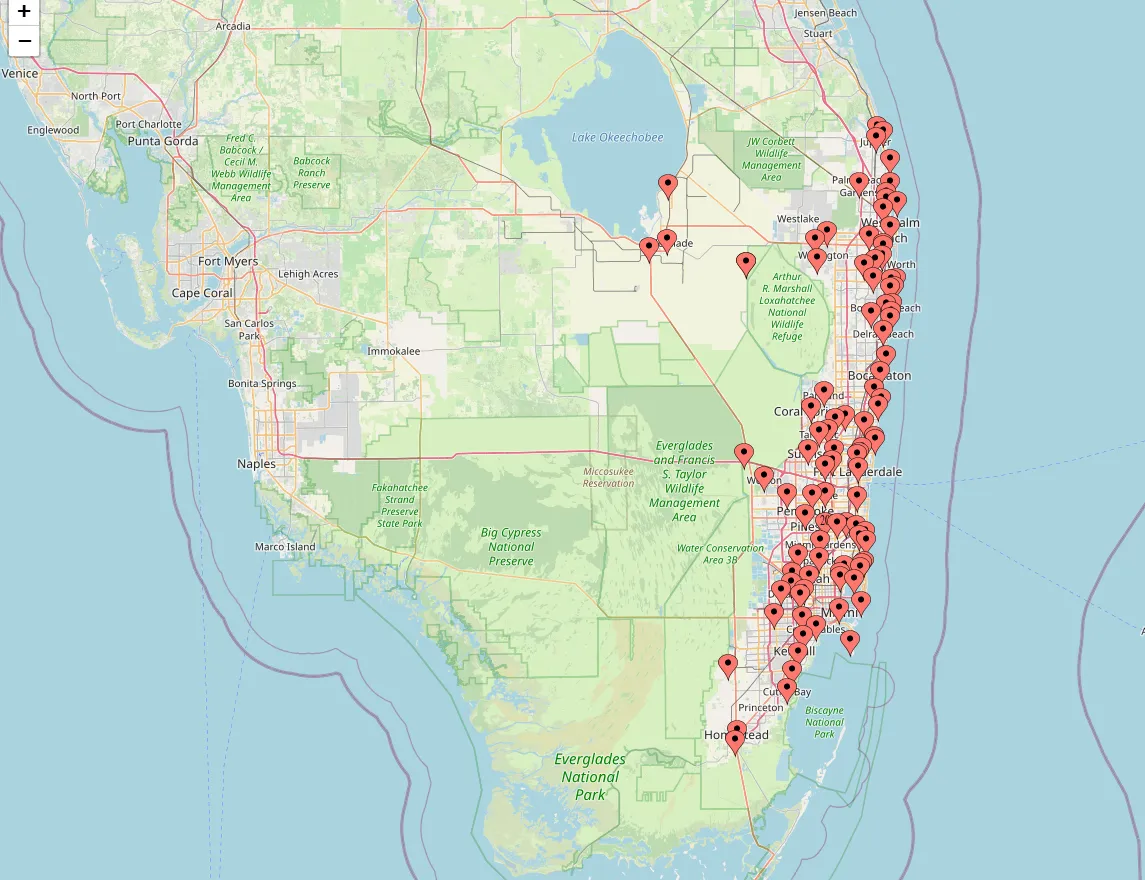
Ariel Garage Door Services works throughout Broward, Miami-Dade, and Palm Beach counties. Call us at (561) 677-2840 or reach out through our contact page, and we will take a look at your setup before you spend money on a new door.