If your garage door opener is getting old or making strange noises, you are probably shopping for a new one right now. And the first big choice you will run into is chain drive or belt drive. Both get your garage door open and shut every day, but they do it in different ways, and that difference matters more than people think.
A lot of homeowners just pick whatever the store has in stock. That works fine sometimes, but it is not the smartest way to spend money on something you use every single day. Below, we go through how each opener works, what they cost, how loud they are, and which one actually fits your garage.
How a Chain Drive Opener Works
A chain drive opener uses a metal chain, kind of like a bike chain, to pull the trolley that opens and closes your door. The chain is looped around a sprocket connected to the motor. When you press the remote, the motor turns and the chain drags the door up or down along the track.
This is the oldest and most common type of opener out there. It has been around for decades because it is simple, tough, and cheap to make. If you grew up in a house with a garage, there is a good chance the opener was a chain drive. It is not fancy, but it gets the job done, and it has earned a reputation for being reliable even after years of use.
How a Belt Drive Opener Works
A belt drive opener does the same basic job, but instead of a metal chain, it uses a rubber or fiberglass belt. The belt runs along a track and pulls the trolley the same way a chain does. Because rubber does not clank against metal, the whole process is a lot quieter.
Belt drives became popular once homeowners started putting living space above or next to the garage. Nobody wants to hear grinding metal every time someone opens the door at midnight. If your garage shares a wall with a bedroom, or you have a room above it, a belt system is usually the more comfortable choice for daily living.
Quick Comparison Table
| Feature | Chain Drive | Belt Drive |
|---|---|---|
| Noise Level | Loud, metal on metal | Quiet, smooth operation |
| Average Cost | Lower upfront cost | Higher upfront cost |
| Lifespan | Around 10 to 15 years | Around 15 to 20 years with care |
| Maintenance | Needs regular lubrication | Needs less upkeep |
| Best For | Detached garages, heavy doors | Attached garages, bedrooms nearby |
| Speed | Slightly slower, can be choppy | Faster and smoother |
| Weight Capacity | Handles heavier doors well | Works best on standard doors |
Noise: The Biggest Difference People Notice
This is usually the first thing people ask about, and for good reason. Chain drives make noise because metal parts are grinding against each other every time the door moves. If your garage is attached to the house, you will hear it inside, especially at night.
Belt drives were made for exactly this reason. The rubber belt glides instead of clanks, so the whole operation is much softer. If a garage door opener has ever woken up your whole house at night, you already know why people care so much about this when they upgrade.
Cost and Long Term Value
- Chain drives usually cost less to buy and install
- Belt drives cost more upfront, sometimes by a fair margin
- Chain drives often need more frequent servicing over the years
- Belt drives may last longer if the belt is not damaged by extreme heat or cold
- Warranty terms on belt models tend to be a bit more generous
- Replacement parts for chain drives are widely available and inexpensive
If you are working with a tight budget, a chain drive is the more affordable pick right now. But if you plan to stay in your home a long time, the extra cost of a belt drive can even out over the years, especially if you are not lubricating a chain every few months.
Durability and Maintenance
Chain drives are tough. They can handle heavier garage doors, including wood or insulated steel doors that put more strain on the opener. But that toughness comes with upkeep. You need to lubricate the chain regularly or it will start to sag, squeak, and wear down faster than it should.
Belt drives need less hands-on care day to day, which is a nice break from constant maintenance. The tradeoff is that the belt itself can crack or stretch over time, especially in places with big swings in temperature. Neither system is maintenance free, but chain drives ask more of you on a regular basis.
Which One Fits Your Garage?
Picking the right opener really comes down to a few honest questions about your home and how you use it.
- Is your garage attached to a bedroom or living space? Belt drive is likely the better fit.
- Do you have a heavy or oversized garage door? Chain drive can usually handle the extra weight.
- Are you trying to keep costs down right now? Chain drive wins on price.
- Do you want the quietest possible setup? Belt drive is built for that.
- Is your garage detached from the house? Noise matters less, so either option works.
- Do you use your garage door many times a day? A belt drive tends to hold up better under frequent use since there is less friction wear.
There is no single right answer here. It depends on your house, your budget, and how much the noise actually bothers you. Some homeowners with detached garages are perfectly happy with a chain drive because the sound never reaches the house anyway. Others with a bedroom right above the garage would never go back to a chain drive after switching to a belt system.
Getting the Opener Installed Correctly
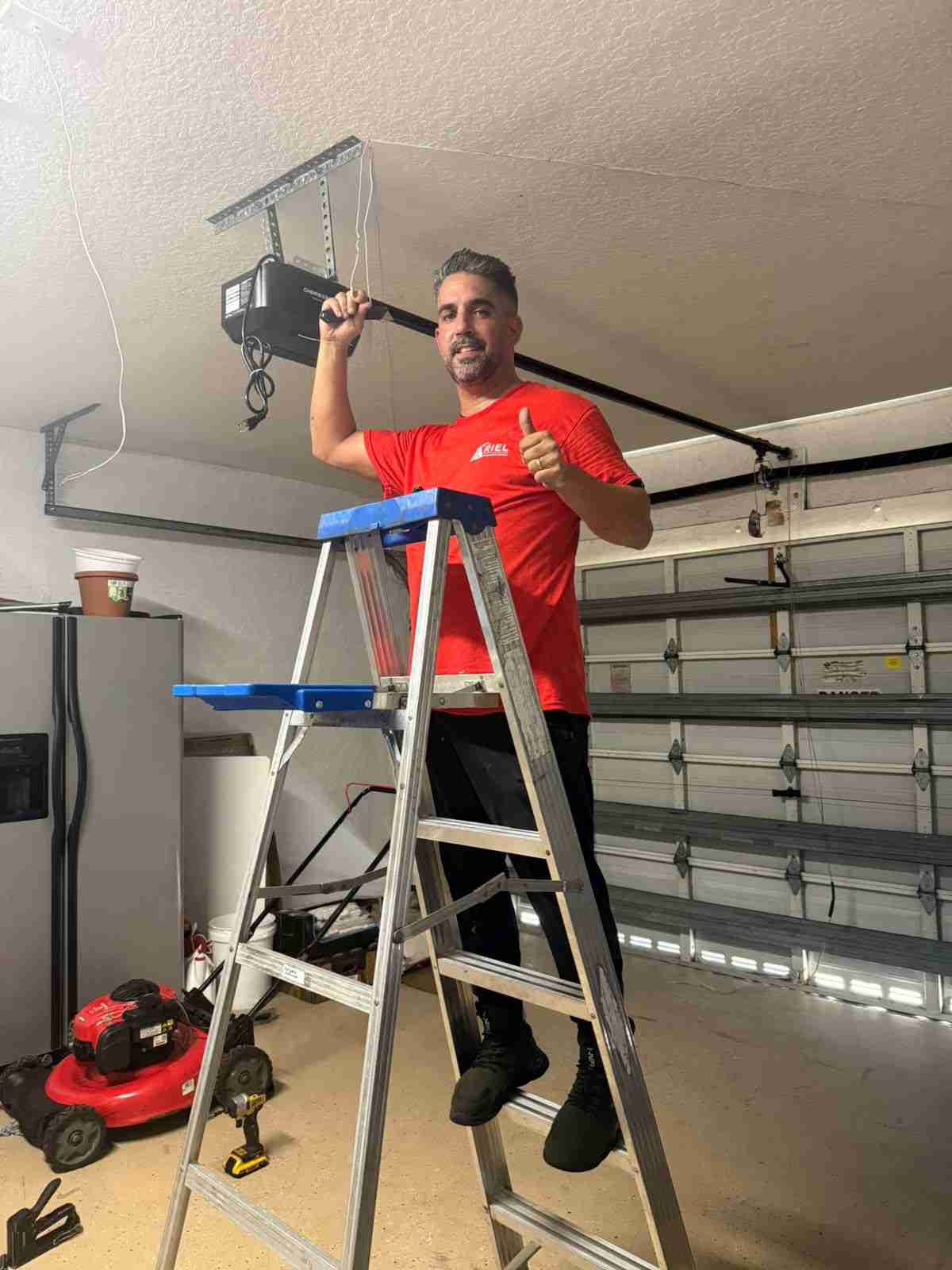
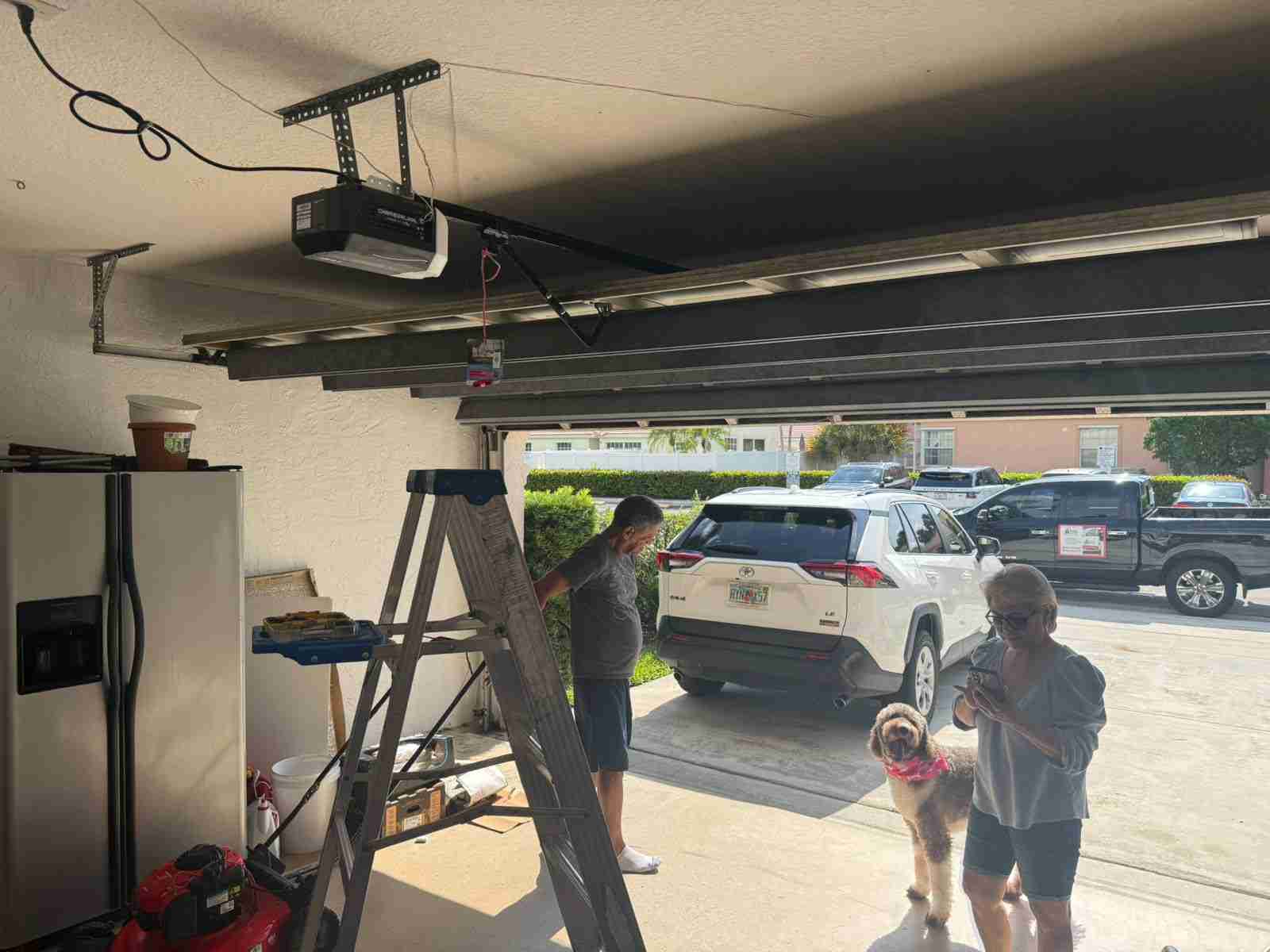
Whichever type you choose, the way it gets installed matters just as much as the opener itself. A poorly mounted garage door opener can cause the door to run unevenly, wear out faster, or even become a safety hazard. Alignment, tension, and the sensors all need to be set up properly from day one.
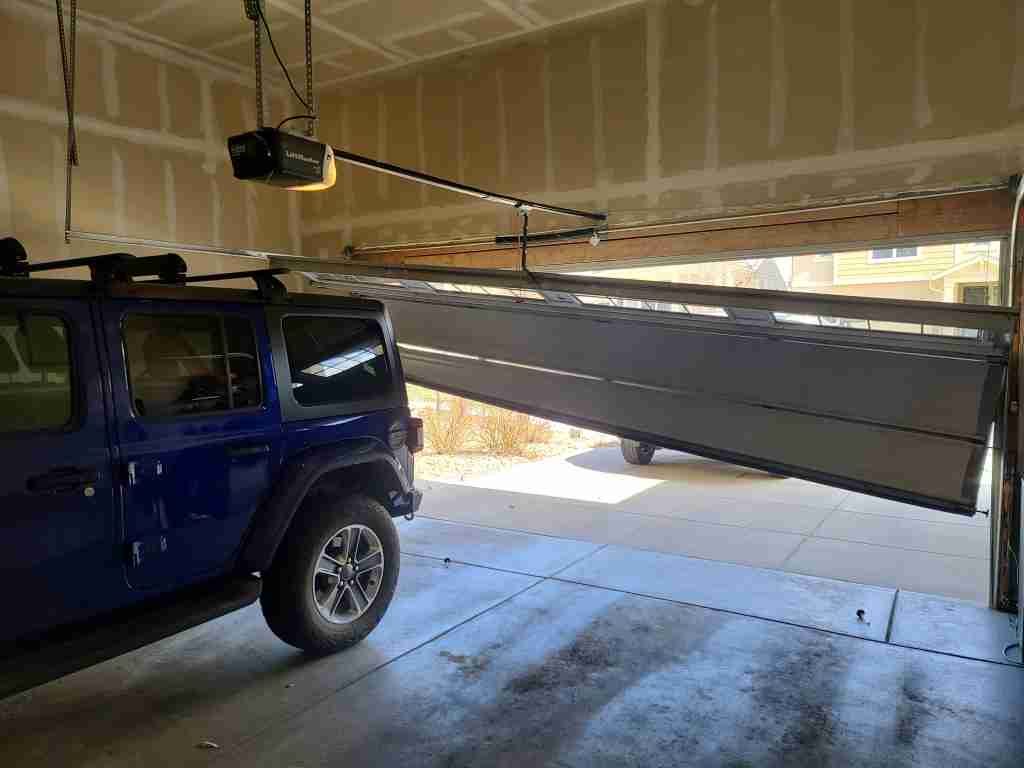
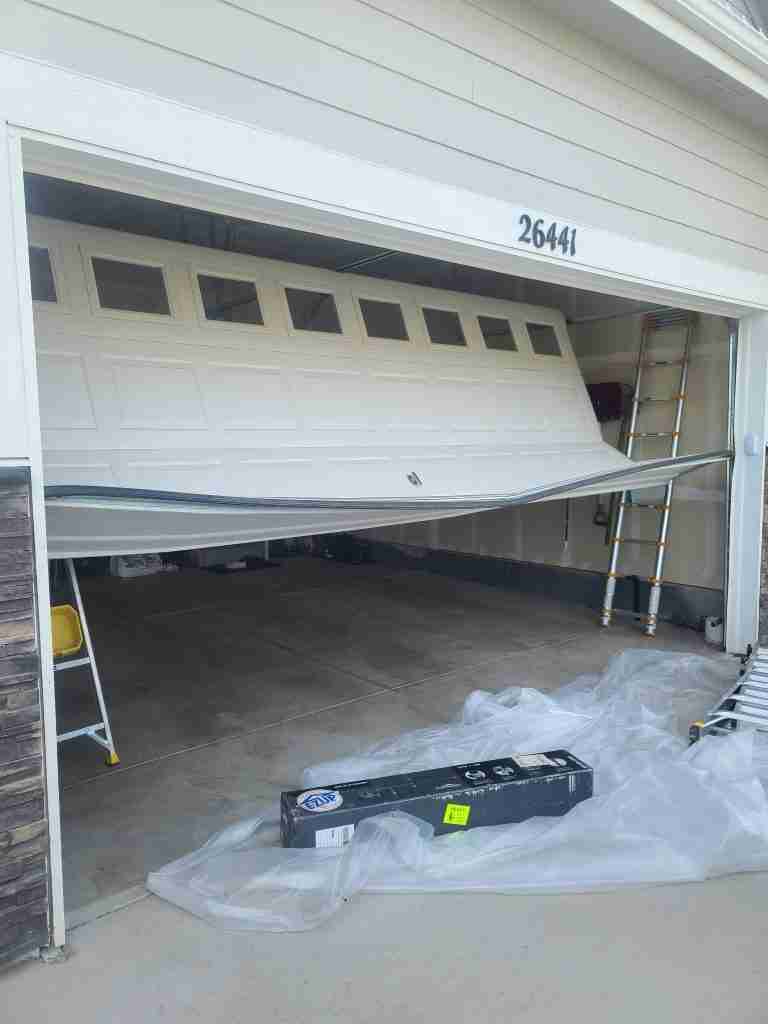
This is also a good time to check the rest of your door system. If your springs are old or your door is off its track, a brand new opener will not fix those problems on its own. Sometimes a full door replacement makes more sense than just swapping the opener, especially if the door itself is old or damaged.
A Note on Springs and Opener Strain
One thing people often forget is that a struggling spring puts extra strain on any opener, chain or belt. If your garage door spring is worn out, the opener has to work harder to lift the door, and that shortens its lifespan no matter which drive type you picked. It is worth having the springs checked at the same time you are shopping for a new opener.
This is not something most people think about until the opener already burns out early. A balanced door with healthy springs takes a lot of the load off the motor, letting the chain or belt do its job the way it was designed to, instead of straining against a door that is heavier than it should feel.
The Right Opener for Your Home, Not Just Your Budget
Honestly, there is no single winner between chain drive and belt drive. A chain drive makes sense if you want something affordable and sturdy and your garage is not right next to a bedroom. A belt drive makes sense if quiet operation matters to you and you are fine paying a bit more upfront.
Think about how your garage connects to the rest of your home, how often you open the door, and what kind of budget you are working with. Once you match those details to the opener type, the decision gets a lot easier. And if you are still on the fence, talking to someone who installs both types every week can save you from picking the wrong one.
If you want help picking between a chain or belt drive opener for your home in Hollywood or the surrounding areas, reach out to Ariel Garage Door Services and we will walk you through the options that actually fit your garage.