Garage doors don’t just stop working out of nowhere. They give hints. Small ones at first. A sound that wasn’t there before. A delay that feels off. Most homeowners brush it aside until the door refuses to open on a busy morning. That’s when panic hits.
Search trends for Garage Door Repair Davie show a clear pattern. People look for help after the problem becomes urgent, not before. This blog walks through the early warning signs that show your garage door needs attention before it fully breaks down.
Why Catching Problems Early Saves You Money
Garage doors are built with tension systems, springs, and moving parts working together. When one part starts failing, others follow. It’s rarely a single issue.
Technicians often see the same story. A small noise ignored for weeks turns into a broken spring. A slightly bent track becomes a full off-track situation. Fixing early signs costs less and keeps your home safe. A professional garage door spring repair inspection helps identify hidden issues in the system before they turn into major failures, ensuring smoother operation and preventing costly emergency repairs later.
1. Slower Movement Than Usual
When you press your wall switch or remote, your garage door should move smoothly at a steady speed. If you notice the door moving much slower than it used to, or if it pauses midway, the system is working under extra stress.
This strain usually means your garage door opener motor is dying or the lifting springs are losing tension and failing to pull their share of the weight. In South Florida’s humid weather, rust can also build up on rollers and tracks, creating friction that slows everything down. Addressing a slow door early protects the motor from burning out completely.
2. Strange Noises That Weren’t There Before
Every garage door makes a little bit of sound when it runs, but sudden or harsh noises are different. If you start hearing loud grinding, squeaking, popping, or banging sounds, something inside the system is wearing out.
A local technician in Davie mentioned that almost every major spring failure he fixes started with a noisy door that the homeowner ignored. That loud sound is your door’s way of asking for help. Squeaking usually means parts need oil, while grinding often means metal gears or rollers are grinding together. Catching these sounds early prevents sudden breakdowns and saves you from buying expensive replacement parts later.
3. Door Looks Uneven or Slightly Tilted
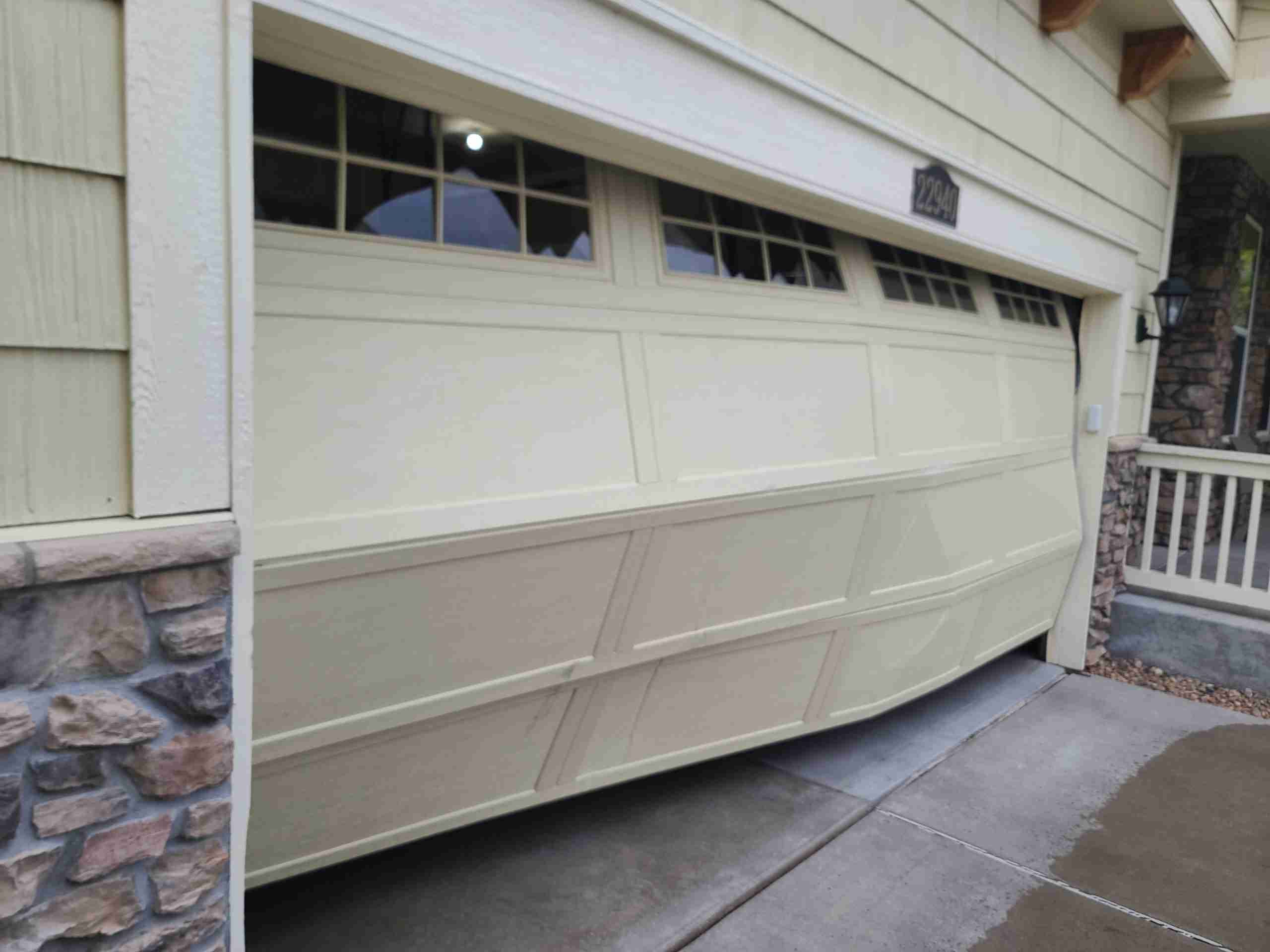
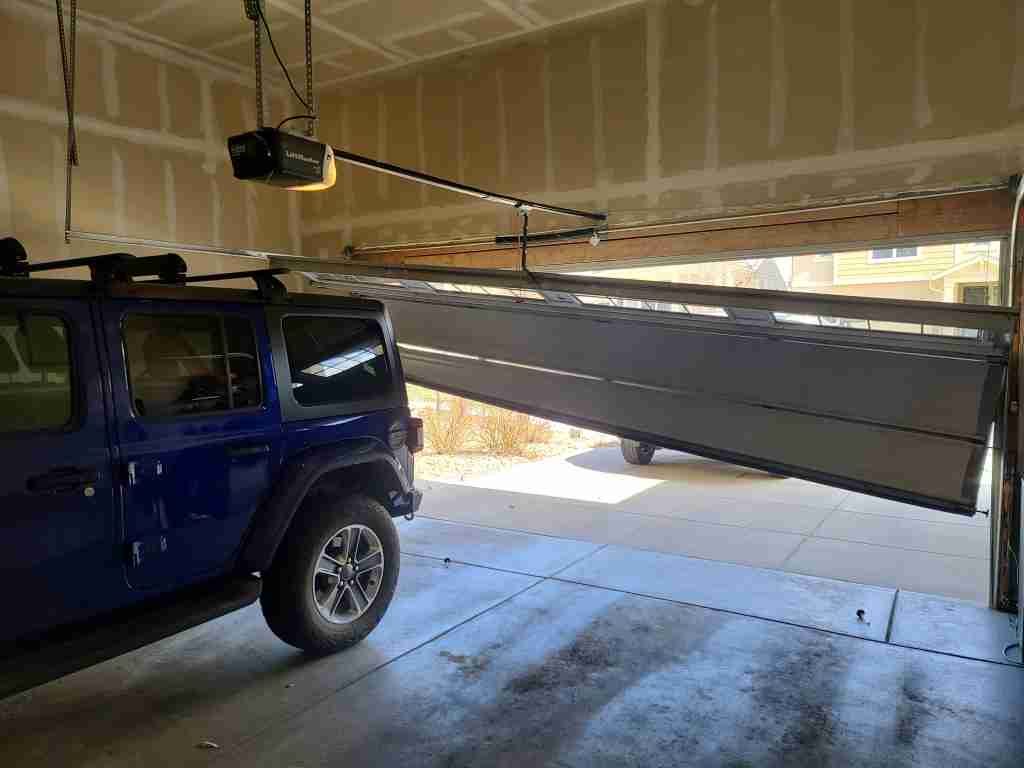
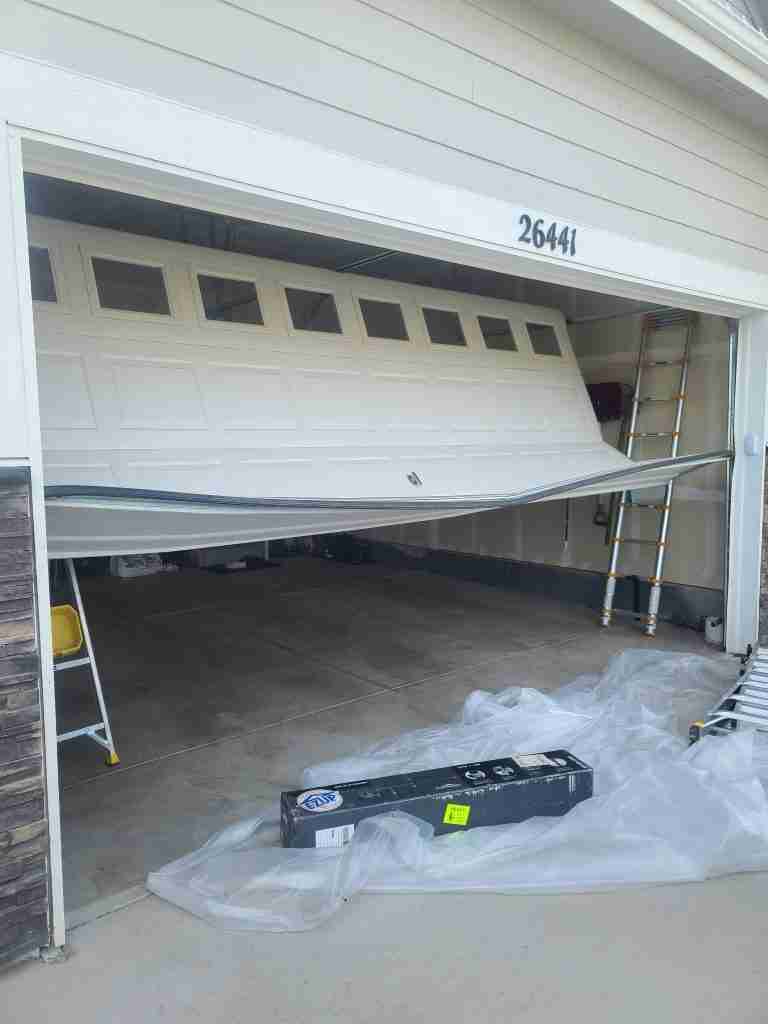
When your garage door opens or closes, it should stay completely level from side to side. If you notice that one side looks lower than the other, or if the door looks crooked as it moves, something is wrong behind the scenes.
Usually, an uneven door means one of the lifting cables has snapped or a spring has lost its balance. This places extra pressure on the motor and tracks, which forces the whole system to work twice as hard. If you leave a tilted door alone, it can twist the door panels, ruin the tracks, or cause the door to fall completely out of place.
4. Garage Door Goes Off Track
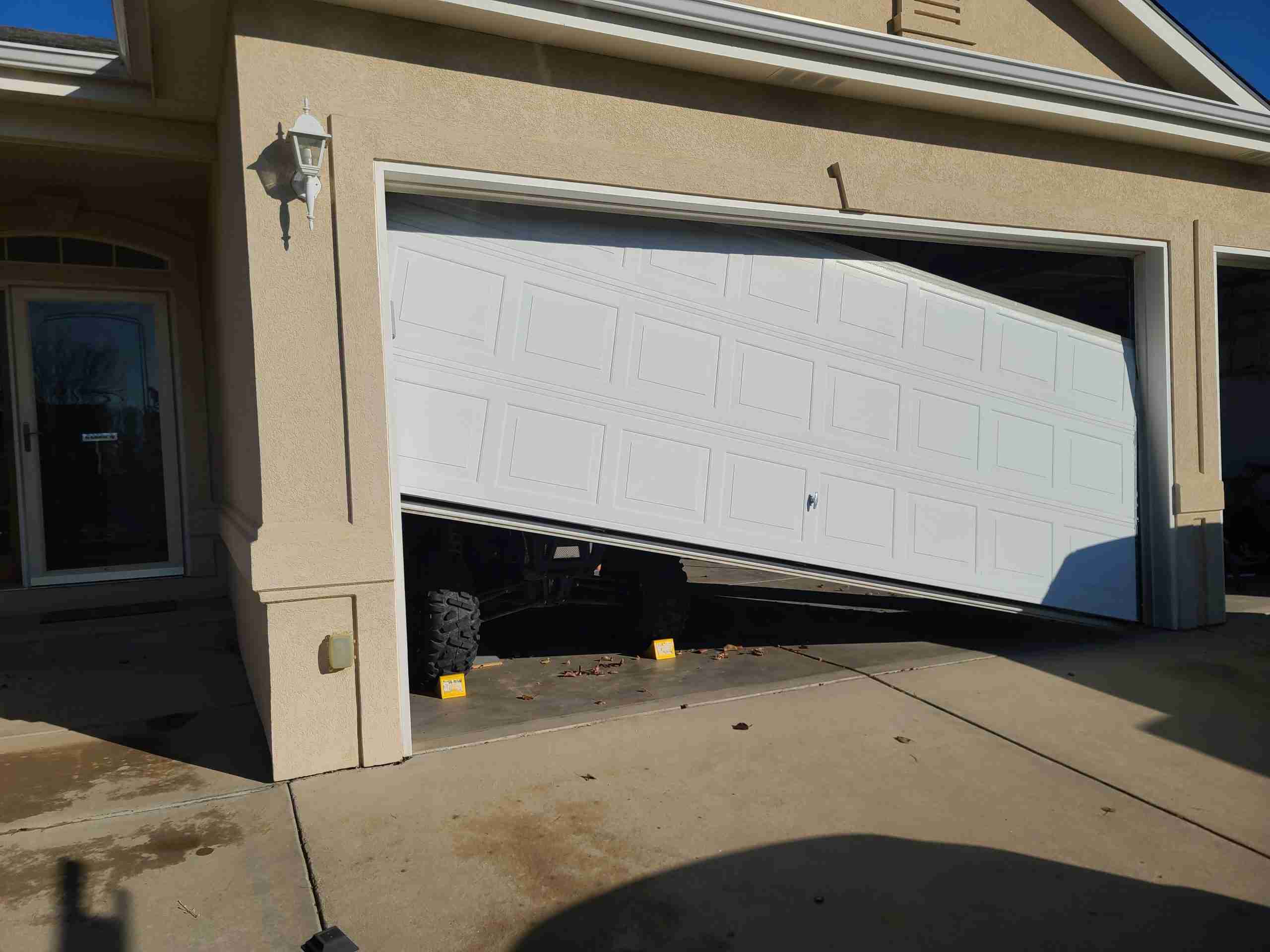
A door that jumps out of its tracks is one of the most serious problems a homeowner can face. The tracks guide heavy door panels up and down safely. When the rollers slip out of those tracks, the door becomes unstable and can drop without warning.
Delaying Garage Door Off Track Repair is dangerous. A heavy garage door can ruin your car, damage your garage walls, or injure anyone standing nearby. Trying to force an off-track door back into place by yourself can bend the metal tracks even more. It is best to stop using the door immediately and let a professional align the tracks safely.
5. Door Doesn’t Close All the Way
A garage door that stops short or leaves a small gap at the bottom is more than just annoying—it is a real security risk. Even a tiny opening lets in pests, rainwater, and hot air, while making it easier for intruders to peek inside.
This issue usually happens for three main reasons:
- Safety sensors are misaligned: The small eye sensors at the bottom of the tracks might be dirty, knocked out of place, or blocked by an object.
- Track or roller damage: Bent tracks can pinch the rollers and stop the door before it reaches the floor.
- Incorrect limit settings: The opener motor might need adjustment so it knows exactly where the floor is.
Checking these parts early keeps your garage secure and weatherproof.
6. Higher Energy Bills Without a Clear Reason
Most homeowners do not think about their garage door when they look at their electric bill. However, a damaged or misaligned door can raise your monthly energy costs fast.
In South Florida’s heat, your garage door acts as a wall that keeps hot air out and cool air in. If the door does not seal tightly against the floor, or if the side weatherstripping is cracked and missing, hot air rushes into your garage. This warms up the rooms next to or above the garage, forcing your air conditioner to run longer and work much harder. Fixing door gaps keeps your home cooler and keeps your power bills under control.
7. Remote or Switch Stops Working Properly
When your wall button or hand-held remote stops working consistently, the fix is not always as simple as changing the battery. If you press the button and experience a long delay, or if the door only opens every third try, the system is trying to warn you about a deeper issue.
Unreliable controls often point to garage door opener motor strain or electrical wiring problems. As opener motors age or fight against rusty springs, they overheat and start ignoring signals from your remote. Having a technician check the opener early prevents you from getting stuck outside on a hot or rainy day.
8. Springs Show Signs of Wear or Break
The majority of the heavy lifting is done by garage door springs. The entire system is affected as they grow weak over time.
Homeowners often notice a sudden jerk, erratic movement, or a loud snap coming from the garage. That’s when Garage Door Spring Replacement Davie becomes necessary.
Key signs your springs are failing:
- Visible gaps in the spring coil
- The door feels much heavier than usual when lifted manually
- A sudden loud noise like a gunshot coming from inside the garage
Spring issues should never be ignored. They operate under extreme tension and can cause severe injury if handled incorrectly.
Simple Checks That Prevent Bigger Problems
Regular observation goes a long way. Small efforts can prevent major repairs.
Basic maintenance habits that help:
- Listen for new or unusual sounds during operation
- Check if the door moves evenly on both sides
- Keep tracks clean from dirt, debris, and spiderwebs
- Notice any delay in response time when pressing the remote
These checks take minutes but can save you from costly repairs later.
When It’s Time to Call a Professional
Some signs require immediate attention. A door off track, broken springs, or uneven movement are not safe to handle alone.
Garage systems are under high tension. Attempting to correct them without the appropriate tools usually causes additional damage or physical harm. Professional inspection is the safest way to ensure the problem is addressed correctly.
Conclusion
Garage doors do not often break down. The movement is slow, there are unusual sounds, or there is a slight misalignment; these are the initial signs that something is wrong. Early action on these signs ensures costs of repairs are low and prevents abrupt failures.
Waiting too long turns small fixes into major replacements. That’s the pattern seen in most repair calls across Davie. For dependable service and timely repairs, Ariel Garage Door helps homeowners fix issues before they turn into bigger problems.