A garage door looks simple from the outside. It goes up, it goes down, and most days you do not think about it much. But behind that panel is a system of springs, cables, and metal parts that hold a huge amount of tension. When something breaks, the fix is often not as easy as a YouTube video makes it look.
Every year, people get hurt trying to save money on a garage door repair. Some end up with cuts or broken fingers. Others cause more damage to the door and pay more in the end. Below are seven repairs where it makes sense to step back and call a trained technician instead.
Why Garage Door Repairs Are Riskier Than They Look
A garage door is one of the heaviest moving parts in most homes. Some residential doors weigh over 150 pounds, and they move up and down on a system built around stored energy. That stored energy is what makes DIY repairs so dangerous, even for people who are handy around the house.
The tools needed for many garage door jobs are also not things most homeowners keep around. Winding bars, torque wrenches set to exact specs, and locking pliers rated for high tension are standard gear for a technician but rare in a home garage. Without the right tools and training, a small mistake can turn into a trip to the emergency room or a door that falls off its track completely.
1. Torsion Spring Replacement
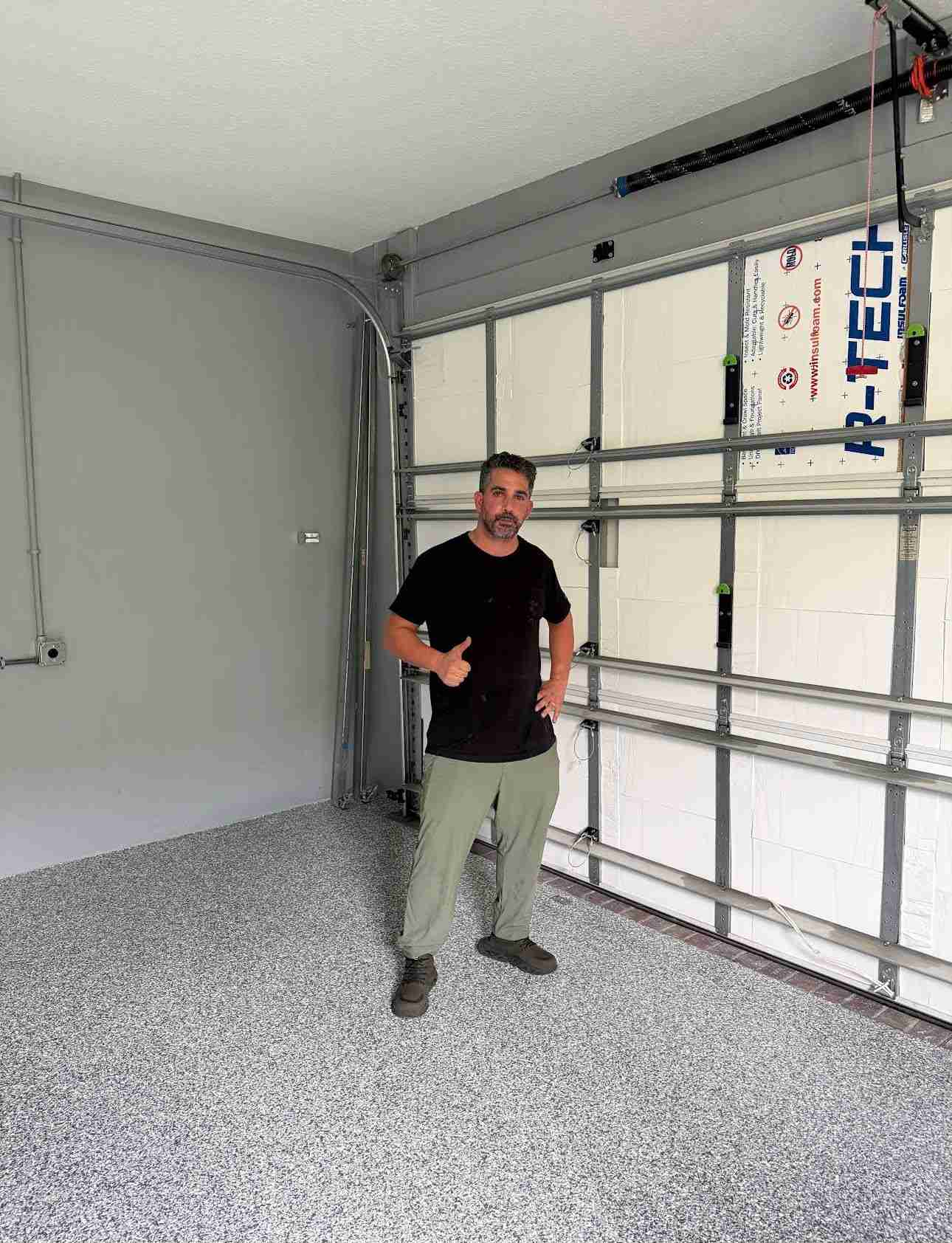
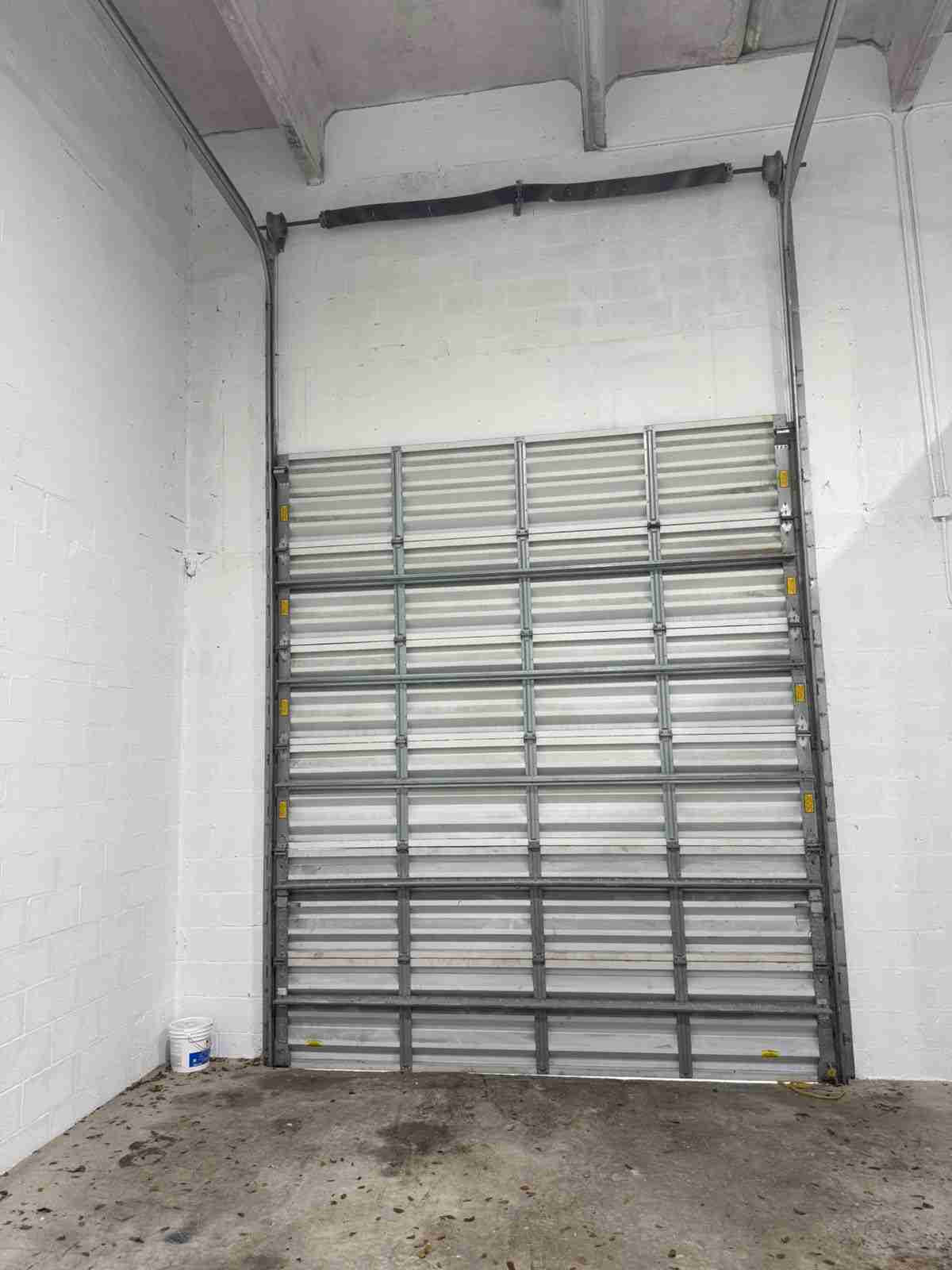
Torsion springs sit above the door and hold most of the tension that lifts it. They are wound tight during installation, and that tension does not go away when the spring breaks. If you try to remove or replace one without knowing how to safely release that tension first, the spring can snap back with enough force to break bones or worse.
This job causes a good chunk of the emergency calls we get, and it is also behind a lot of DIY injuries we hear about. A trained tech uses winding bars and follows a specific sequence to release and reset spring tension safely. If your garage door spring has snapped, it is worth calling someone rather than reaching for the toolbox.
2. Cable Repair or Replacement
Garage door cables work alongside the springs to guide the door and keep it balanced as it moves. They carry a lot of tension too, and a frayed or snapped cable is often a warning sign that the whole system is under stress. Cables can also whip back if they are handled while under load, which can cause deep cuts or eye injuries.
Replacing a cable is not just about swapping the part. The drum, the spring tension, and the alignment all need to be checked together. Get this wrong and the door can hang crooked, slam down unexpectedly, or come off the track entirely.
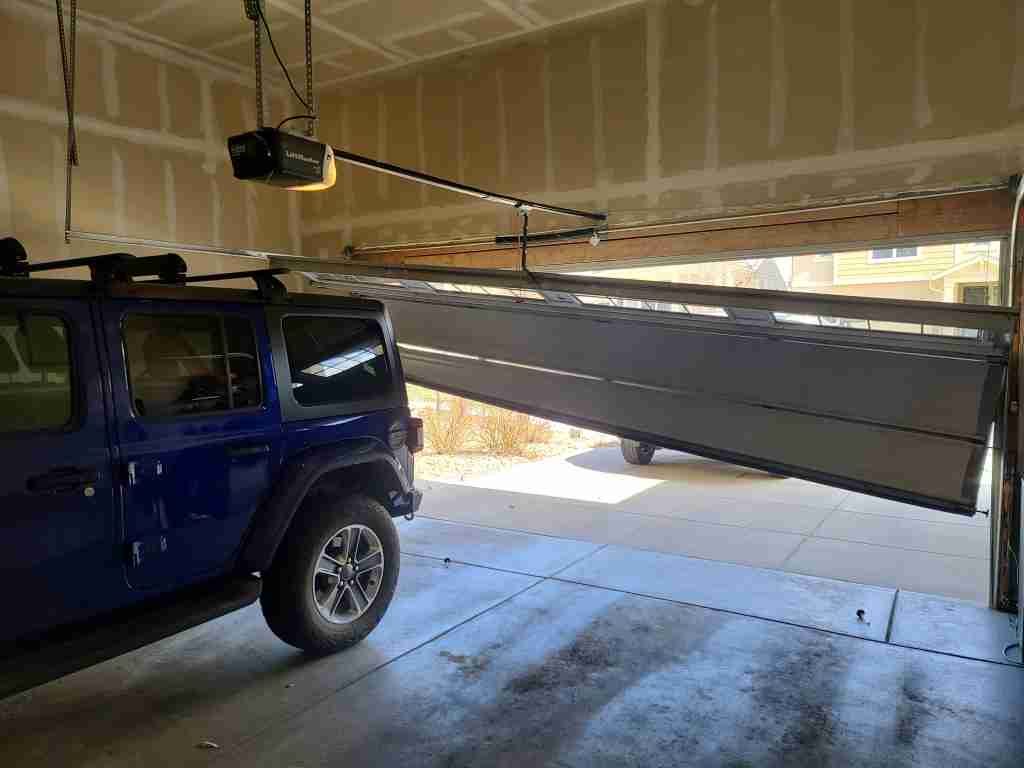
3. Off-Track Door Repair
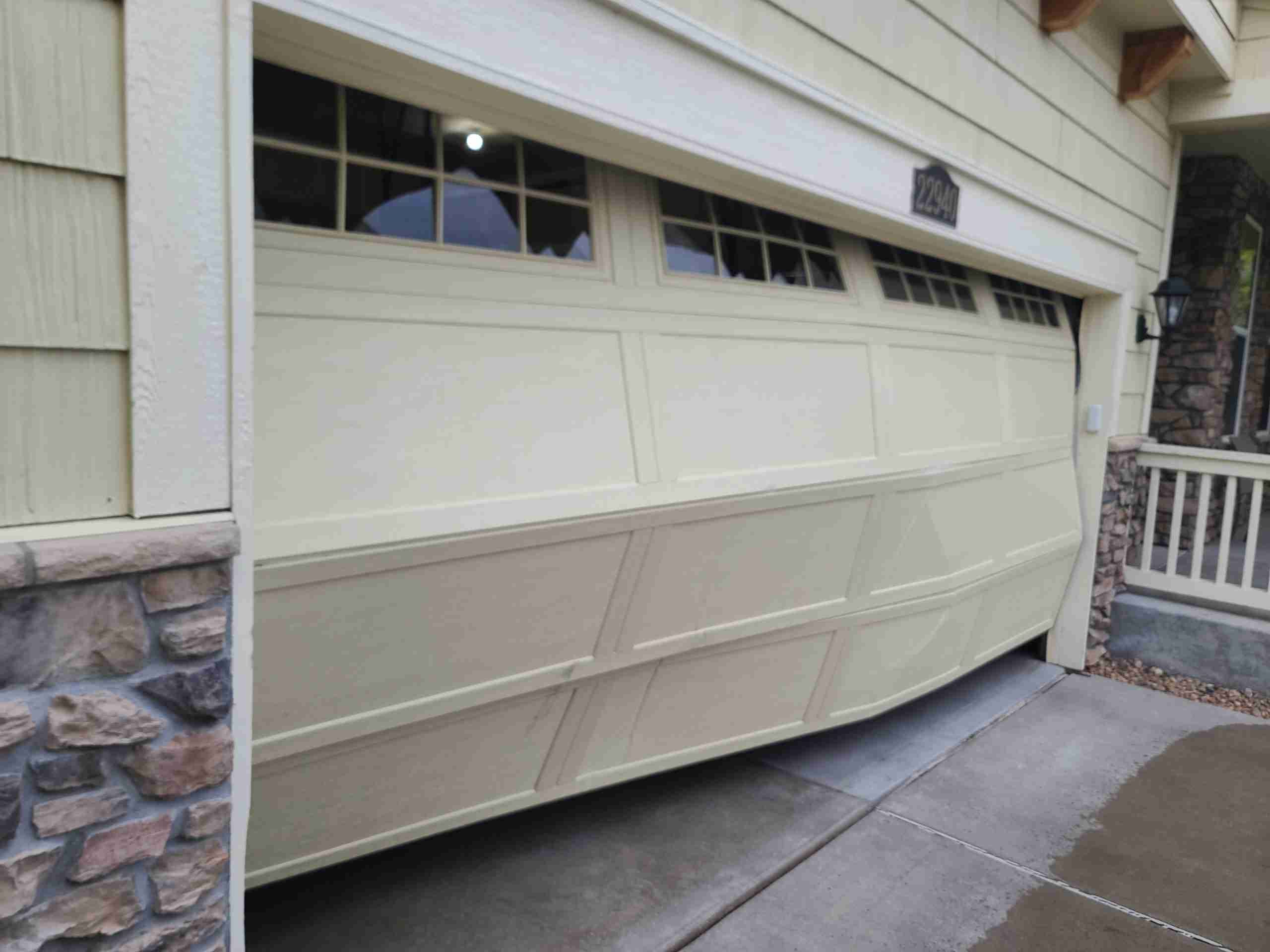
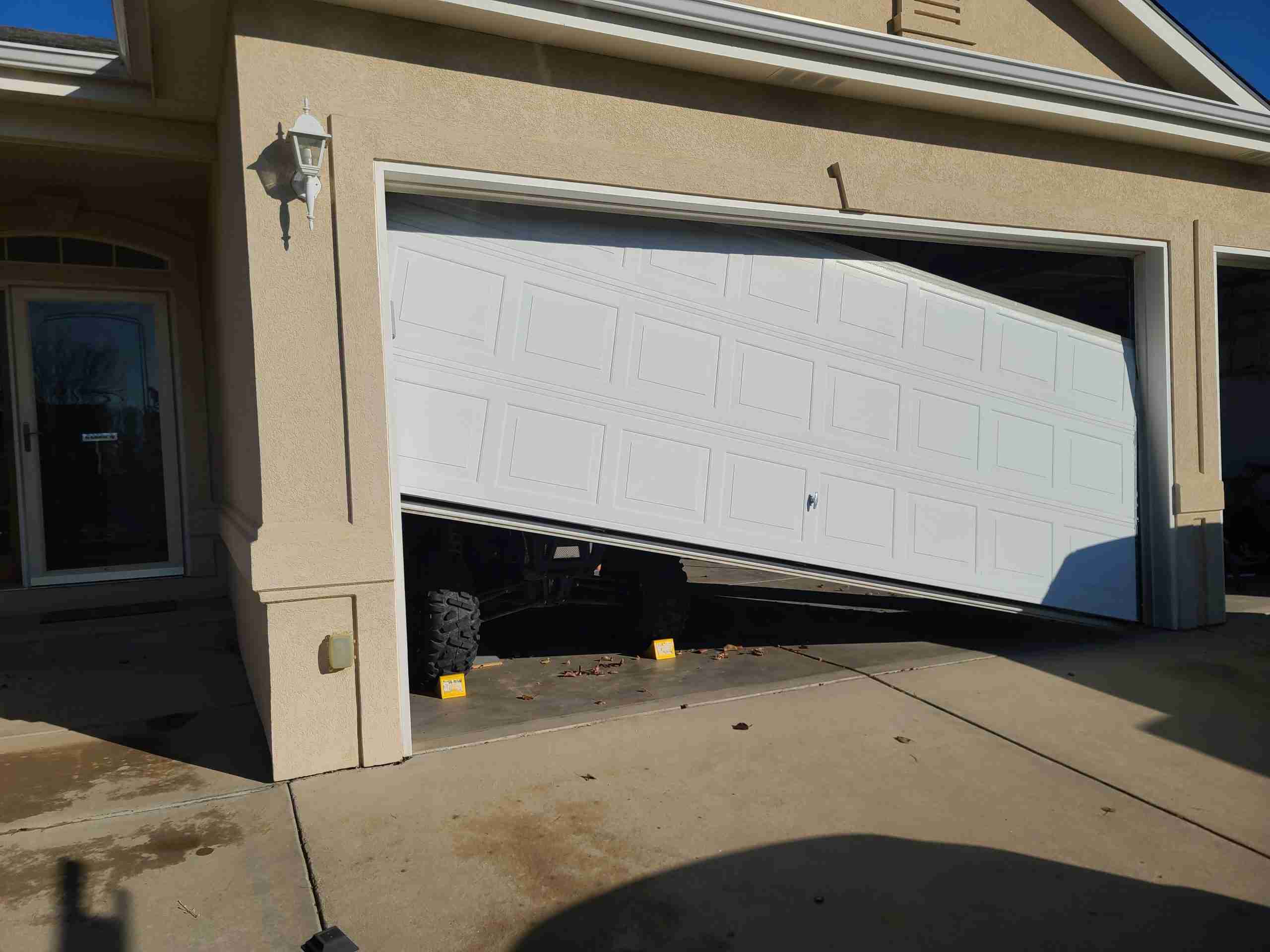
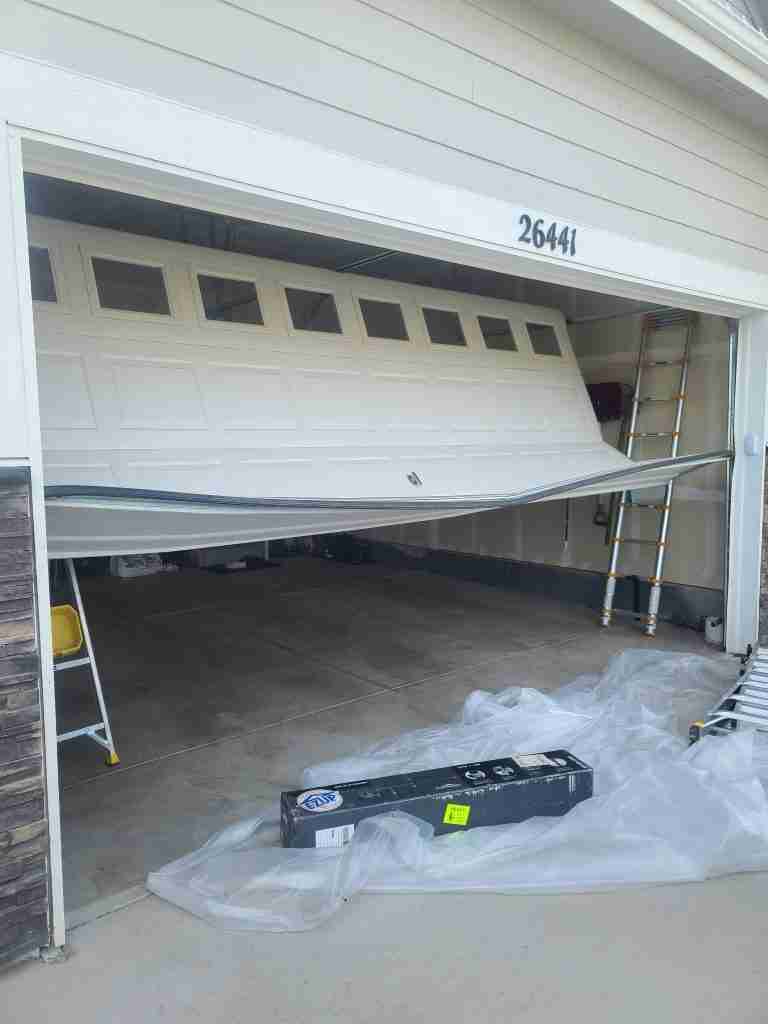
A door that has jumped its track is more than a cosmetic problem. It usually means something has bent, snapped, or come loose inside the track system, and pushing or pulling the door back into place can make things worse. Rollers can shatter, tracks can bend further, and the door itself can fall if it is not supported properly during the fix.
If your door has come off its track, resist the urge to force it back yourself. Our team handles off-track repairs using proper lifts and clamps so the door goes back into place without further damage.
4. Opener Motor and Circuit Board Repair
A garage door opener is basically a small motor wired into a safety system. When it stops working, it is tempting to open the housing and poke around. But openers run on electrical circuits that can shock you if handled wrong, and the safety sensors need exact alignment to work at all.
A miswired opener can mean the door stops reversing when something is in its path. That is a real safety hazard for kids and pets, not just an annoyance. If your garage door opener is acting up, a tech can diagnose the actual issue instead of guessing.
5. Panel Replacement on Heavy or Insulated Doors
Swapping out a dented or damaged panel takes more than unbolting the old one and bolting in the new one. Insulated and heavier doors, including hurricane-rated models common in South Florida, need precise measurements, and the door needs to stay balanced during the swap. An uneven panel throws off the whole door’s weight distribution.
This also affects how the springs and opener perform afterward. A door that looks fine after a panel swap can still be out of balance in a way that wears down other parts faster.
6. Track and Drum Alignment
The tracks and drums guide the door’s movement and keep the cables wound correctly. If they get bent or knocked out of alignment, even slightly, the door can bind, scrape, or jam partway through its cycle. Straightening a track yourself with a hammer or pliers often bends it further out of shape.
Getting this right takes a level, the right measurements, and an understanding of how the whole system connects together, from the rollers to the springs.
7. Full System Diagnostics After a Failure
When a door stops working, the cause is not always obvious. It could be the spring, the opener, a sensor, or a combination of small issues that add up. Homeowners often swap out one part and the door still does not run right because a second issue was hiding behind the first one.
A full diagnostic check looks at the whole system at once. This saves money in the long run, since you are not guessing and replacing parts one at a time.
DIY vs Professional Repair: A Quick Comparison
| Repair Task | Safe for DIY? | Common Risk if Done Wrong |
|---|---|---|
| Lubricating hinges and rollers | Yes | Low risk, minor upkeep |
| Tightening loose bolts | Yes, with care | Stripped bolts if overtightened |
| Cleaning tracks | Yes | Minimal |
| Torsion spring replacement | No | Serious injury from stored tension |
| Cable repair | No | Cuts, snapback injury |
| Off track realignment | No | Falling door, bent tracks |
| Opener motor or wiring repair | No | Electric shock, sensor failure |
| Panel replacement on heavy doors | No | Door imbalance, opener strain |
Signs You Need a Professional, Not a DIY Fix
- The door makes loud bangs, grinding, or scraping sounds
- One side of the door looks lower than the other
- The door has come off its track
- Cables look frayed, loose, or snapped
- The opener runs but the door does not move, or moves only partway
- You smell burning near the motor unit
- The door reverses on its own without anything blocking it
A Word on Cost and Safety
Many people avoid calling a technician because they assume it will be expensive. A small repair done early is almost always cheaper than fixing the damage caused by a failed DIY attempt, and that is before you count any medical bills from an injury. Garage door springs alone are under enough tension to cause serious harm, and that risk does not go down just because you watched a tutorial first.
Time matters too. A trained technician can often diagnose and fix a problem in under an hour, using tools built for the job. A homeowner attempting the same repair might spend an entire weekend on it and still end up calling a professional once things go wrong.
Keeping Your Door Safe Without Overdoing It
There is plenty you can do yourself to keep your garage door in good shape. Wiping down the tracks, checking for loose bolts, and applying lubricant to hinges and rollers are all reasonable weekend tasks. These small habits catch problems early and reduce wear on the bigger parts.
Anything involving springs, cables, or the internal wiring of the opener is where you should stop. These jobs need specific tools, training, and an understanding of how much tension or voltage is involved. Skip that step and a quick fix can turn into a costly one fast.
When to Call In the Pros at Ariel
A garage door protects your home, your car, and everyone who walks through that space every day. It is not worth the risk of a spring snapping back or a cable slicing through skin just to save on a service call. If any of the seven repairs above sound familiar, it is time to get someone trained to look at it.
Ariel Garage Door Services works across Broward, Miami-Dade, and Palm Beach counties, and our technicians handle everything from broken springs to full opener replacements. Reach out to us or call (561) 677-2840 and we will get your door back to working the way it should.