A garage door is one of the biggest moving objects in most homes. It can weigh anywhere from 130 to 400 pounds, and it moves up and down almost every single day. Most families do not think about garage door safety until something goes wrong. By then, it is often too late to avoid an injury or a costly repair.
Garage doors are also the main entry point for a lot of families in South Florida. Kids run in and out to grab bikes, pets slip through when the door is closing, and parents load groceries while the door is still moving overhead. A few small habits can keep everyone in the house safe around this heavy, mechanical part of daily life. Here are eight tips worth going over with the whole family.
1. Test the Auto-Reverse Feature Every Month
Every garage door made after 1993 is required to have an auto-reverse safety feature. This means the door should stop and reverse direction if it senses something in its path. Testing this feature is quick and it only takes a minute.
Place a block of wood or a roll of paper towels on the ground where the door closes. Then close the door using the wall switch or remote. If the door touches the object and reverses right away, the sensor is working. If it does not reverse, or it takes too much pressure to stop, the door needs professional attention.
2. Keep the Remote and Wall Button Out of Reach for Kids
Small children are naturally curious about buttons that make big things move. A garage door opener button on the wall is often placed at a height that toddlers can reach if they climb on a stool or a bike seat.
Wall-mounted openers should sit at least five feet off the ground, well above the reach of a small child. Keep remotes and key fobs away from toy bins or low drawers where kids play. This one habit removes a lot of the risk that comes with curious hands and a heavy moving door.
| Opener Type | Average Lifespan | Notes |
|---|---|---|
| Chain drive | 10-15 years | Durable but noisier over time |
| Belt drive | 10-15 years | Quieter, similar lifespan to chain drive |
| Screw drive | 10-15 years | Needs regular lubrication to avoid early wear |
| Direct drive | 15+ years | Fewer moving parts, tends to last longest |
3. Never Let the Garage Door Double as a Play Area
Garages often turn into extra play space, especially in South Florida homes where the garage stays cooler than the yard during summer. Basketball hoops, bikes, and skateboards tend to end up right near the door track.
- Do not let kids play catch or ride bikes near a moving door
- Keep toys and bikes stored away from the door tracks
- Teach kids that the garage door is not a toy, even when it looks fun to watch move
- Set a clear rule that no one stands under the door while it opens or closes
4. Check the Photo-Eye Sensors Regularly
The photo-eye sensors sit a few inches above the ground on either side of the garage door track. They send an invisible beam across the doorway, and if anything breaks that beam while the door is closing, the door should stop and go back up.
Dust, spider webs, and even a stray leaf can block these sensors and stop them from working the way they should. Wipe the sensor lenses with a soft cloth every few weeks and make sure both sensors are still lined up facing each other. A misaligned sensor is one of the most common reasons a door fails to reverse properly, and it is also one of the easiest fixes.
5. Inspect the Springs and Cables Without Touching Them
Garage door springs hold an enormous amount of tension. This tension is what allows a heavy door to lift smoothly, but it also makes springs dangerous to handle without training. A snapped spring can cause serious injury.
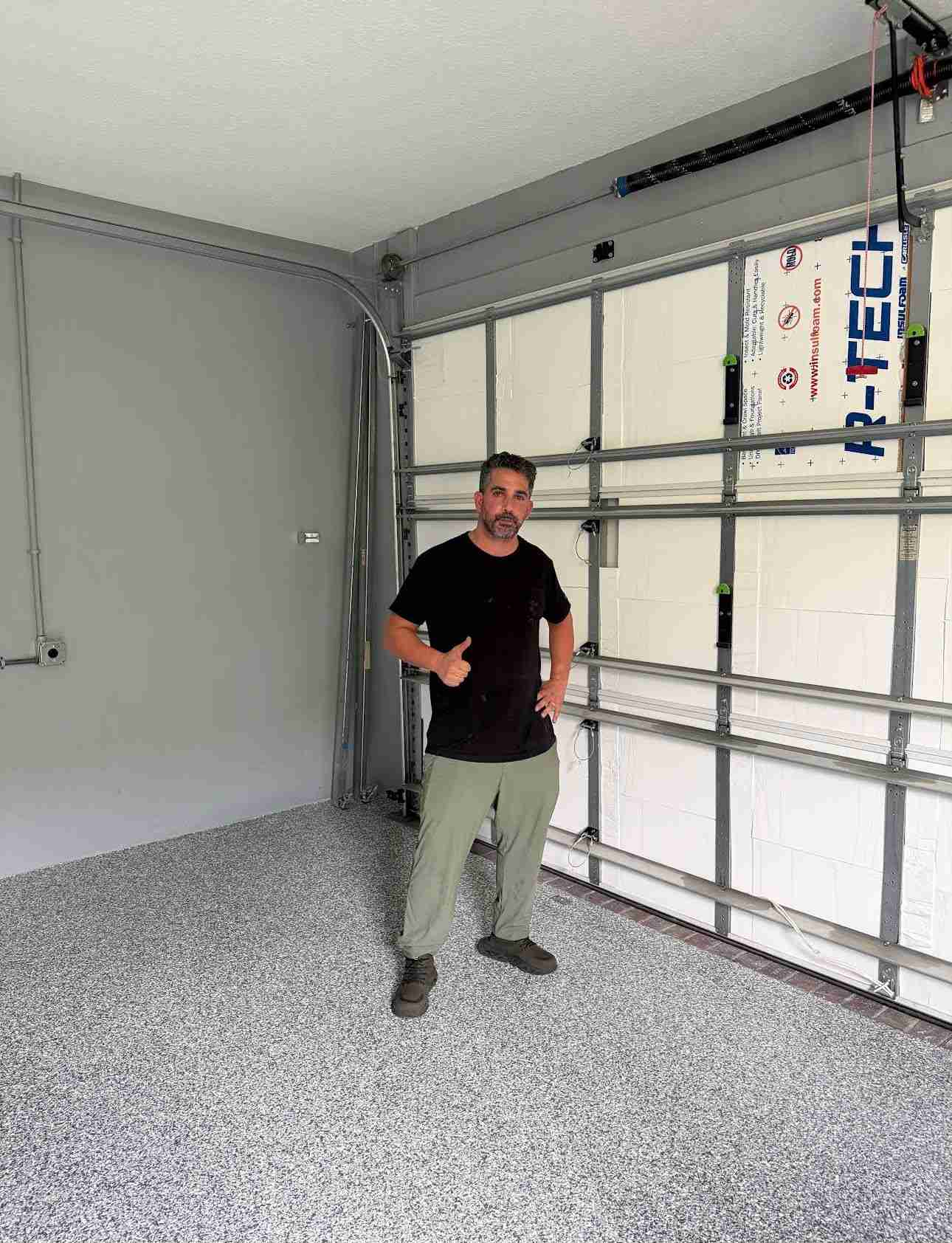
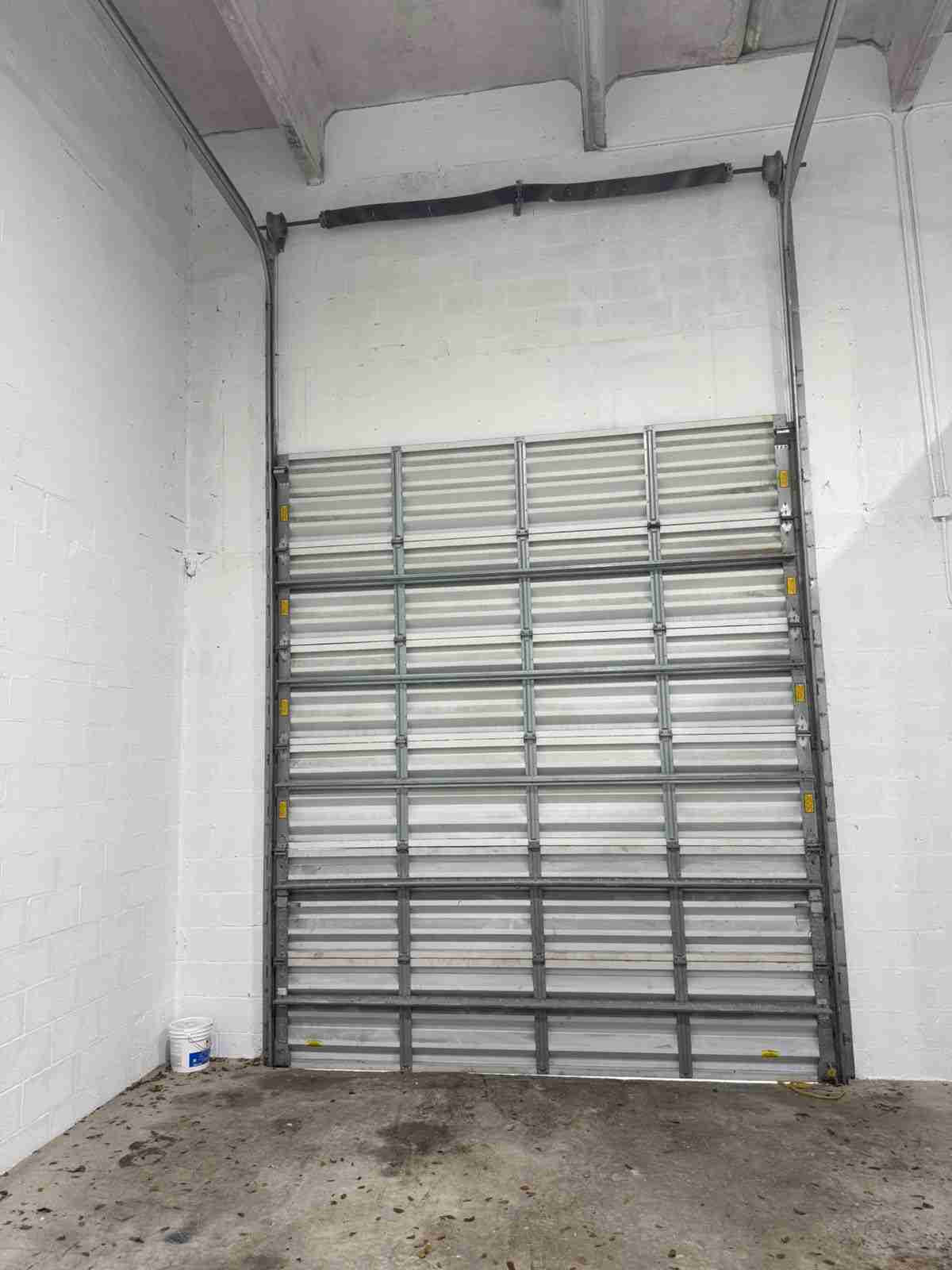
Look at the springs and cables from a distance during your regular walk-around. Watch for rust, gaps in the coils, or fraying on the cables. If anything looks off balance or worn, do not try to adjust or replace it yourself. A garage door spring repair from a trained technician is always the safer route than a DIY fix.
| Situation | Repair | Replace |
|---|---|---|
| Opener is under 10 years old | Usually the better option | Not needed unless motor is damaged |
| Opener is over 12 to 15 years old | Only worth it for small fixes | Usually the smarter long-term choice |
| Issue is a sensor, remote, or wiring | Repair is quick and affordable | Not necessary |
| Issue is the motor or control board | Can be costly, sometimes not worth it | Often makes more financial sense |
| Door reverses improperly or fails safety tests | Repair only if the cause is minor | Replace immediately for safety |
| Repair cost is close to half the price of a new unit | Rarely worth it | Better value long term |
6. Keep Fingers Away From Panel Joints
Older garage doors, especially ones without raised panel design, can pinch fingers where the sections fold together while opening. This is a common injury for young kids who like to touch the door as it moves.
Teach children to keep their hands off the track and the door panels while it moves. If your door is older and does not have pinch-resistant panels, consider that upgrade during your next replacement. It is a small design change that removes a real hazard, especially in homes with toddlers who like to explore with their hands.
7. Schedule Routine Maintenance Instead of Waiting for a Breakdown
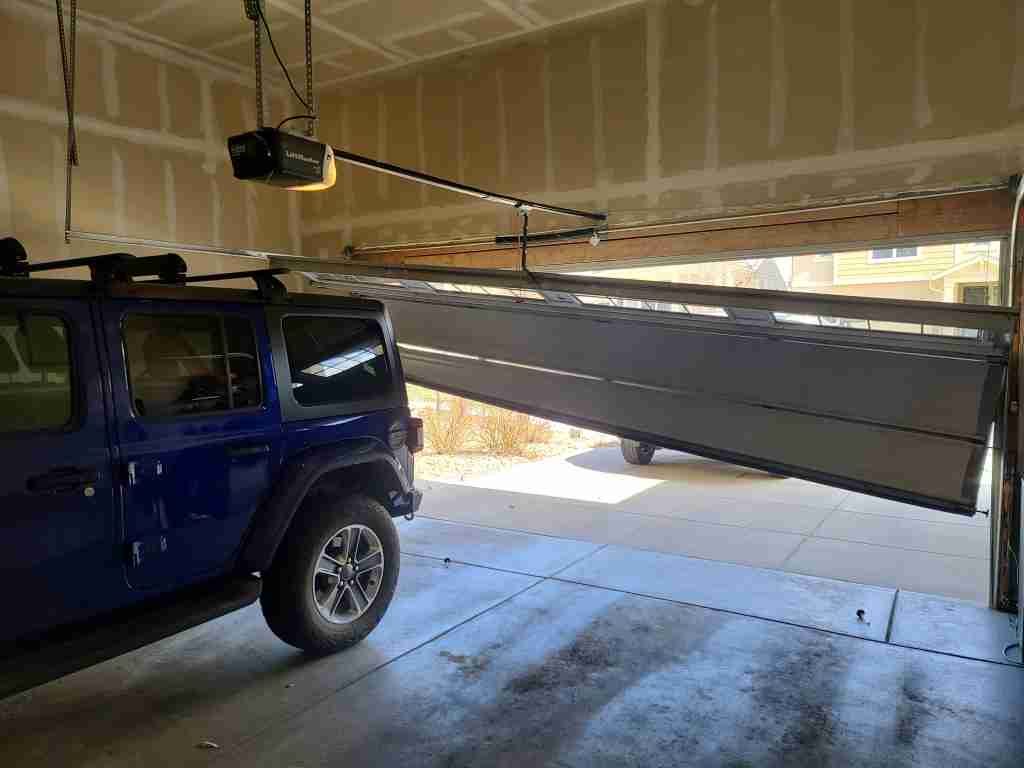
Garage doors go through thousands of open and close cycles every year. Rollers wear down, hinges loosen, and tracks shift slightly out of place over time. Waiting until something breaks means the door was likely unsafe for weeks before the failure happened.
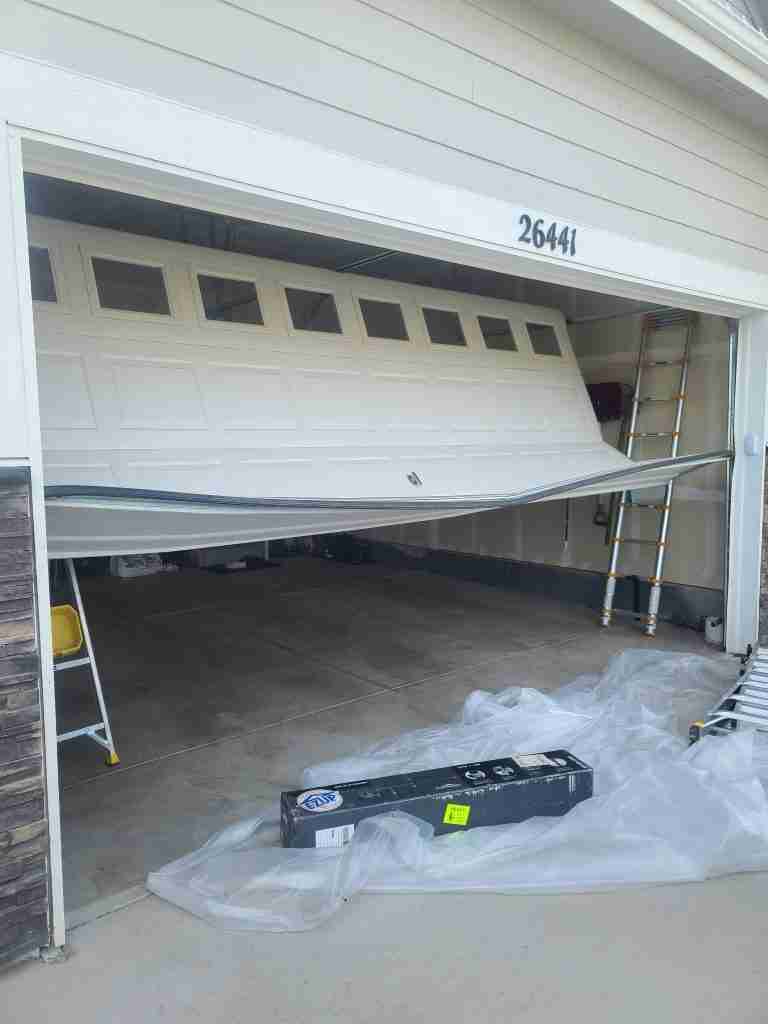
A yearly maintenance check catches small problems, like a loose track bracket or a worn roller, before they turn into safety hazards. If your opener has started making grinding noises or your door looks crooked when it moves, do not wait. A garage door off track repair is far cheaper and safer than dealing with a door that jumps its track while someone is standing underneath.
8. Never Leave the Garage Door Partially Open
A garage door left halfway open is a hazard for kids, pets, and even adults walking through in the dark. It also gives an easy entry point for anyone looking to get into the home without being seen from the street.
The door should always be fully open or fully closed, never stuck in the middle. If your door is stopping partway on its own, this usually points to a problem with the opener’s limit settings or a worn part inside the track system. A garage door opener repair can fix this quickly before it becomes a bigger safety concern for the whole family.
A Safer Garage Starts With Small Daily Habits
Most of the tips above take just a few minutes each month. They make a real difference in keeping kids, pets, and everyone else in the home safe. A door that closes properly, senses obstacles, and stays in good repair is one less thing to worry about during a busy day.
If you notice anything unusual with your door, from a slow response to a strange noise, it is worth getting it looked at sooner rather than later. Ariel Garage Door Services works with families across Broward, Miami-Dade, and Palm Beach counties, and our contact page has the details if you need an inspection or repair.