Hollywood homes have a look all their own. The houses are beautiful, but the South Florida weather can be tough on them. Because of the heavy rain and hot sun, many homeowners choose custom wood garage doors instead of regular steel or aluminum ones. These doors add a lot of style, fit perfectly, and hold up well against the local climate.
In this guide, you will learn exactly how these doors are made and set up for homes in our area. Here is a step-by-step look at the design and installation process.
Matching the Door to the Environment
Hollywood is hot, humid, and close to the salty ocean air. It also gets plenty of heavy rainstorms. Because of this tough weather, you cannot just use a standard wood garage door built for another part of the country. Local designers must start by looking at how much sun and moisture the front of your house gets every day.
This early planning helps the team make the right choices for the rest of the project. It helps them pick the right type of wood, the best protective sealants, and the strongest hardware. Taking these steps ensures the door can handle the harsh coastal environment for years to come.
Key environmental factors designers consider first include
- Coastal salt exposure: Salt from the ocean air can quickly eat away at metals and ruin unprotected wood finishes.
- Daily heat and UV levels: Strong Florida sunlight can bake the door, which causes the wood to fade and crack over time.
- Humidity and moisture retention: Wet air and heavy rain can soak into the wood, making it swell up and rot.
- Wind load requirements: Garage doors must be strong enough to stay in place when severe coastal winds push against them.
- Storm and impact code rules: Local safety laws require doors to stop flying debris from breaking into the garage during big storms.
Skipping this step leads to warped panels, peeling finishes, and early repairs. Taking the time to plan around the weather keeps your door strong and prevents these costly problems down the road.
Turning Ideas Into a Door Design
Once the weather needs are clear, the actual design work starts. Most homeowners already have a style in mind. Some prefer a classic traditional house look. Others like modern flat panels or clean, simple lines.
Designers turn those visual ideas into real blueprints. They map out the exact measurements, panel setups, and window shapes. Every single door is built to fit the precise opening of your garage, so no one has to trim or force it to fit later.
During this planning stage, homeowners get to pick out:
- The type of wood and its natural grain pattern
- The layout of the panels and how thick they need to be
- The choice between clear windows or solid wood sections
- The style of the handles and decorative hardware
- The final paint color or wood stain system
This part of the job requires a lot of teamwork. Making smart choices now will decide how well the door holds up as it gets older.
Selecting the Right Wood Matters
Not all wood handles the South Florida climate the same way. Some types absorb rainwater too fast and swell up. Others split open under the hot sun. Local professionals only recommend specific types of wood that offer the best balance of strength and durability.
Cedar, mahogany, and cypress are the top choices for custom wood garage doors in our area. These specific woods naturally fight off bugs, handle wet air much better, and stay flat over time when they are sealed the right way.
When choosing the wood, the build team looks closely at:
- How well the wood naturally stops water from soaking in
- The overall weight of the wood so it is not too heavy for the opener
- How well the wood keeps its shape over many years
- How easily the wood surface accepts protective sealants
Picking the wrong material can lead to constant repairs and extra maintenance down the road
Building the Door With Strength Inside
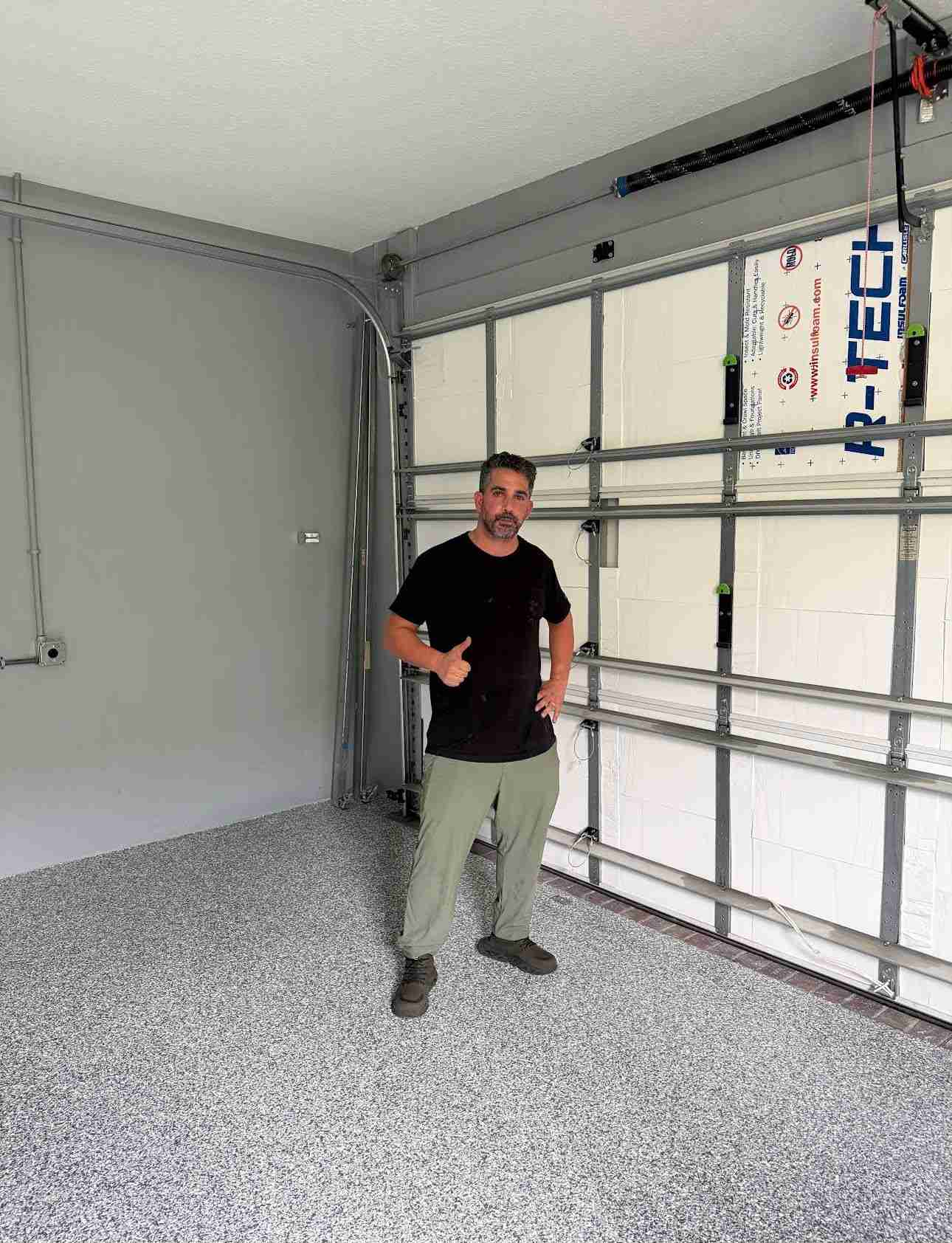
A custom wood garage door is more than its outer panels. Inside, steel frames or engineered cores are often added for strength. This prevents sagging and helps the door handle withstand daily use.
Craftsmen assemble panels in controlled environments to avoid moisture issues before installation. Each section is balanced to work smoothly with the opener system.
Internal construction steps often include
- Reinforced frames: Adding strong inner frames to prevent the heavy wood panels from sagging over time.
- Moisture barriers: Putting a protective layer inside the door to stop water from trapped inside the panels.
- Balanced panel assembly: Joining the pieces together carefully so the door weight is spread out evenly.
- Hardware pre-fitting: Attaching and testing the hinges and tracks ahead of time to ensure a perfect fit later.
This hidden structure is what separates custom work from mass-produced doors.
Installation Is a Precision Job
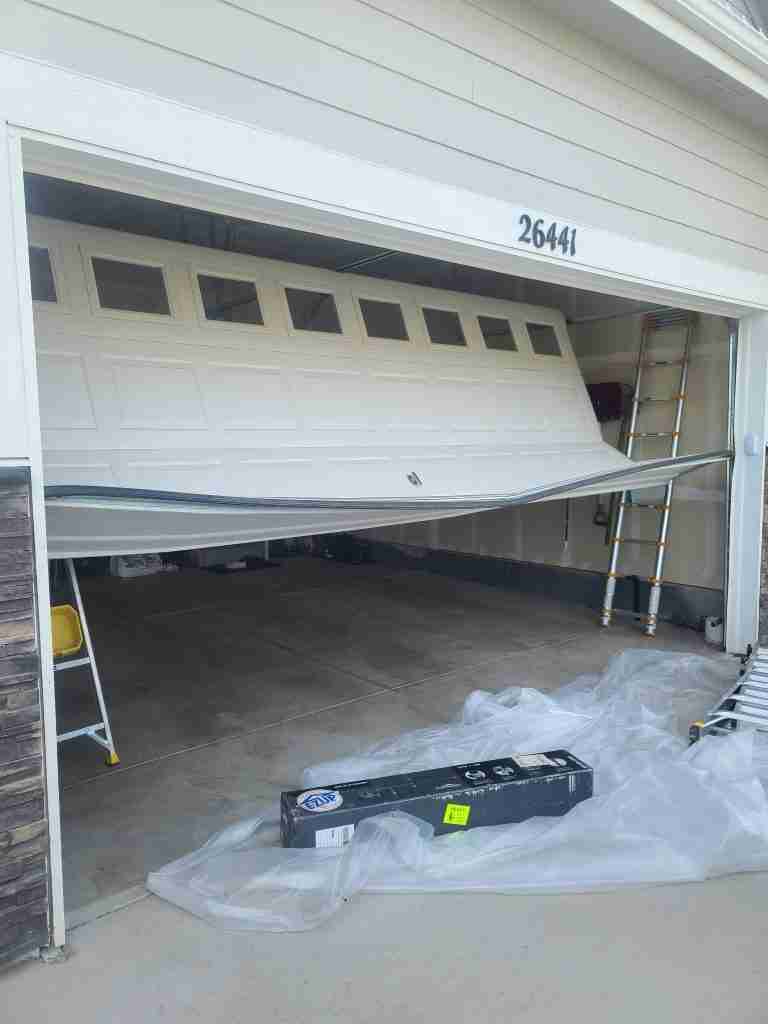
Installing custom wood garage doors is slow, careful work. The garage opening must be perfectly straight, well-sealed, and strong. Workers adjust the metal tracks with great care so they can carry the heavy weight of the wood without bending.
Blocking out the weather is a huge goal during this step. Even small gaps can let wet air inside, which can ruin the wood fast. Professional installers adjust the spring tension, line up the rollers, and test the door movement many times before they finish the job.
During the installation process, the team focuses on:
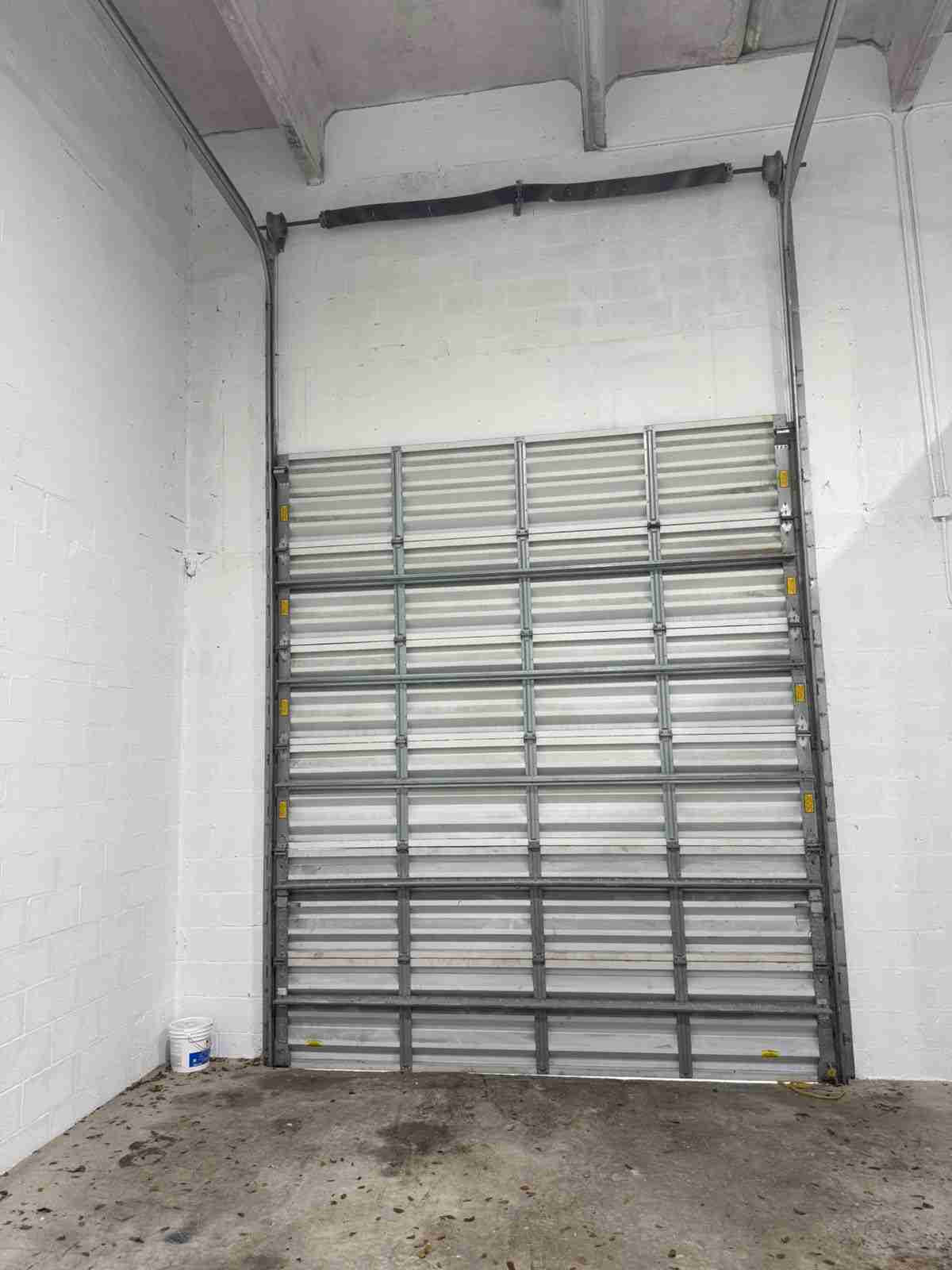
- Making sure the metal tracks line up perfectly on both sides
- Balancing the heavy springs so the door is easy to lift
- Adding tight weather stripping to keep out rainwater and wind
- Connecting the garage door opener so it runs smoothly and quietly
A bad installation job can quickly ruin even the highest-quality wood door.
Final Finishing and Protection
Once the door is up, the final finishing work locks everything in place. Workers apply wood stains, clear sealants, and special sun-blocking coatings. These layers protect the wood from losing its color in the sun or swelling up from the rain. The team chooses these exact finishes because they work best against the local climate.
Homeowners also get a simple guide on how to care for their new door. Taking a little time to clean the surface and reseal it on a regular schedule will keep the wood healthy for a long time.
The final steps of the project usually include:
- Putting on the last coat of weather sealant to lock out water
- Double-checking all the screws and hardware parts
- Testing the door movement one last time to ensure it is quiet
- Handing over easy maintenance rules for the homeowner to follow
This final stage makes sure your door looks beautiful and works safely for many years.
Bringing Your Vision to Life in Hollywood
Buying a custom wood garage door is a great investment for your home. When you build a door to match the local weather and install it with care, you get something that is beautiful, strong, and long-lasting. Every step matters, from drawing the very first design to brushing on the final layer of sealant.
Getting a door that you can trust for years depends entirely on the experience of the team you choose. For a perfect design and expert setup, Ariel Garage Door Services brings local knowledge and great craftsmanship together for your home.