Garage doors deal with some of the toughest weather conditions in the country. Summers bring intense heat and constant sun, afternoons bring sudden downpours, and by August, hurricane season is in full swing. The door sits exposed to all of it, every day of the year, while most other parts of a house stay protected indoors.
A garage door is usually the last thing people think about, but Florida’s climate is a major reason they wear out faster here than in other states. Heat, humidity, salt air, and storms all work against the metal, the wood, the springs, and the opener at the same time, and the damage tends to build up quietly until the day the door is stuck halfway and won’t budge.
Extreme Heat and Sun Damage
Direct sun adds up fast on a garage door, especially one that faces west or gets full afternoon light. Steel and aluminum doors absorb heat all day, and by late afternoon the metal panel can be hot enough to burn your hand. That heat does not just sit on the surface either. It works its way into the moving parts, the seals, and the electronics of your garage door opener.
Wood doors have a different problem. They expand when it’s hot and humid, then shrink back down when things cool off at night. Do that enough times over a Florida summer and you get warping, cracking paint, and panels that no longer sit flush in the frame. If you’ve got a custom wood garage door, keeping it sealed and finished properly matters a lot more here than it would somewhere with a mild, dry climate.
Here’s what heat tends to do to different parts of your door:
- Springs: lose tension faster because metal expands and contracts with temperature swings, which weakens the coil over time
- Nylon rollers and plastic parts: get brittle and crack after repeated exposure to high heat
- Weatherstripping: hardens and loses its seal, letting hot air and bugs into the garage
- Openers: can overheat and shut down mid-cycle on the hottest days, especially older units
- Lubricant: on tracks and hinges dries out quicker, leading to grinding or squeaking
Humidity and Rust
Humidity in South Florida sits high almost all year, and that moisture in the air is constantly working against bare or exposed metal. Rust does not show up overnight. It creeps in slowly around hinges, tracks, and screws, and by the time you notice it, the part underneath is already weaker than it looks.
Panels with scratched or chipped paint are at the highest risk, because that’s where moisture gets straight to the metal underneath. A lot of homeowners don’t realize a small paint chip from a stray basketball or a bumped car can turn into a rust spot within a few humid months. Regular garage door repair and touch-up work goes a long way toward catching this early, before rust spreads to the hardware that keeps the door running smoothly.
Signs your garage door is dealing with humidity damage:
- Orange or brown spots forming around bolts, hinges, or the bottom panel
- A door that feels heavier or sticks slightly when opening
- Squeaking or grinding that wasn’t there a few months ago
- Peeling paint along seams where water tends to collect
- A musty smell coming from the garage itself, which often means moisture is getting past the seals
Hurricane Season and Wind Pressure
If you’re in Broward, Miami-Dade, or Palm Beach County, hurricane wind is the main thing to plan for. Garage doors are usually the weakest point on a house during a storm. If wind gets behind the door and pushes it in, pressure inside the house can build up fast enough to blow out windows and even lift part of the roof.
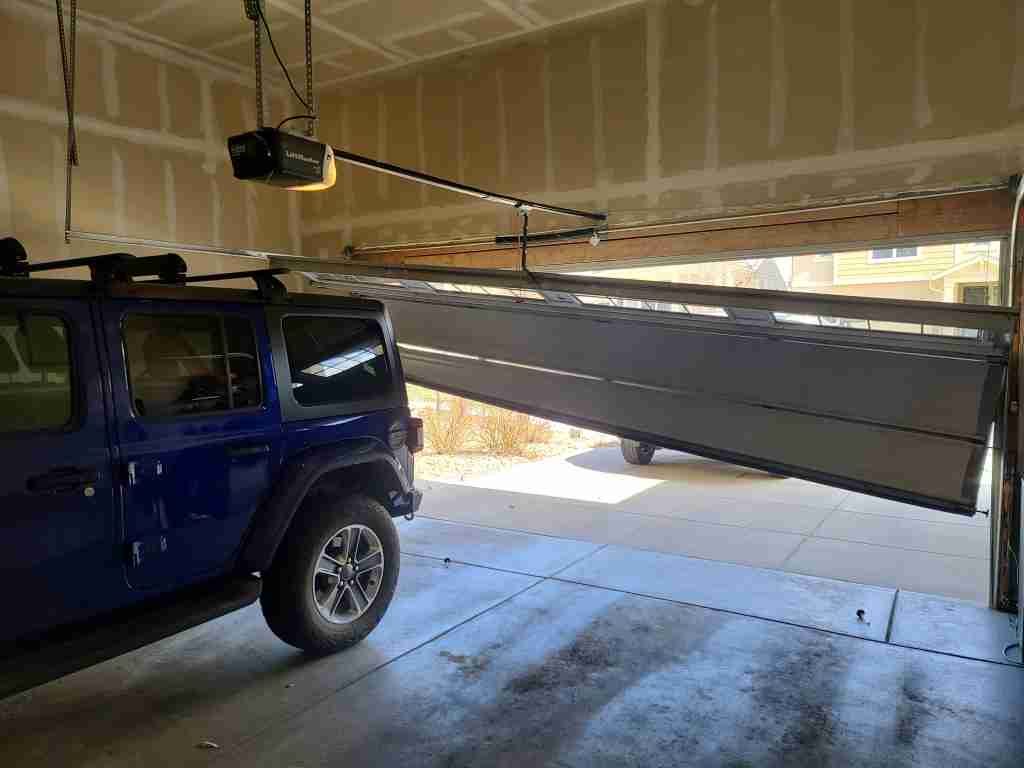
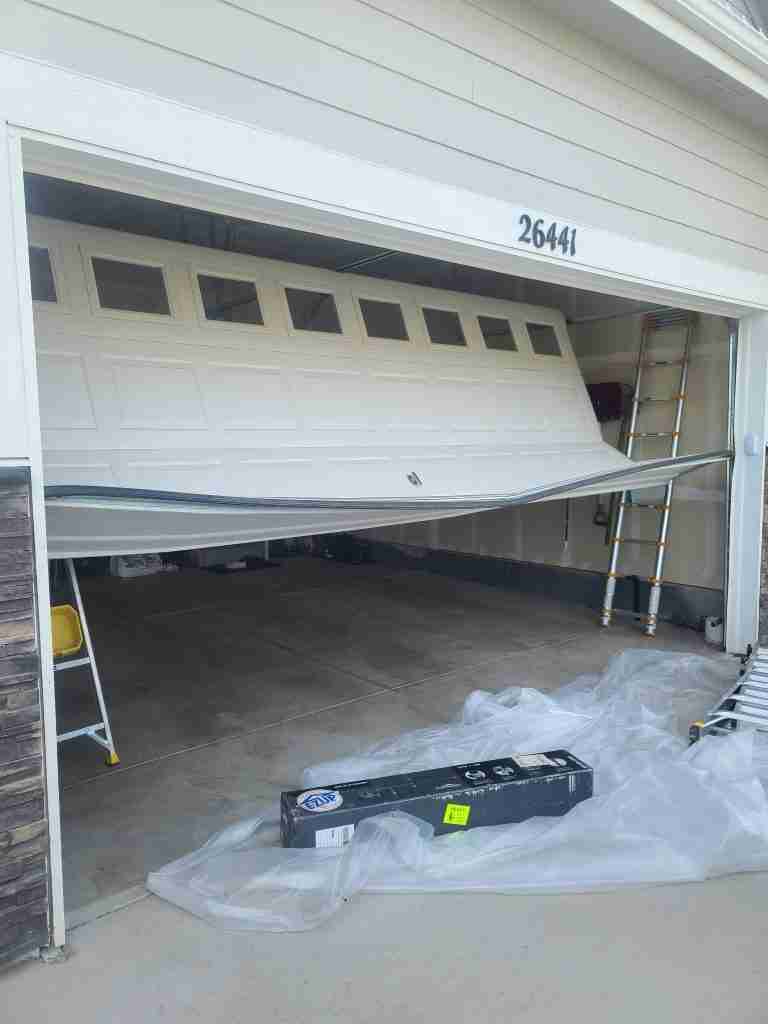
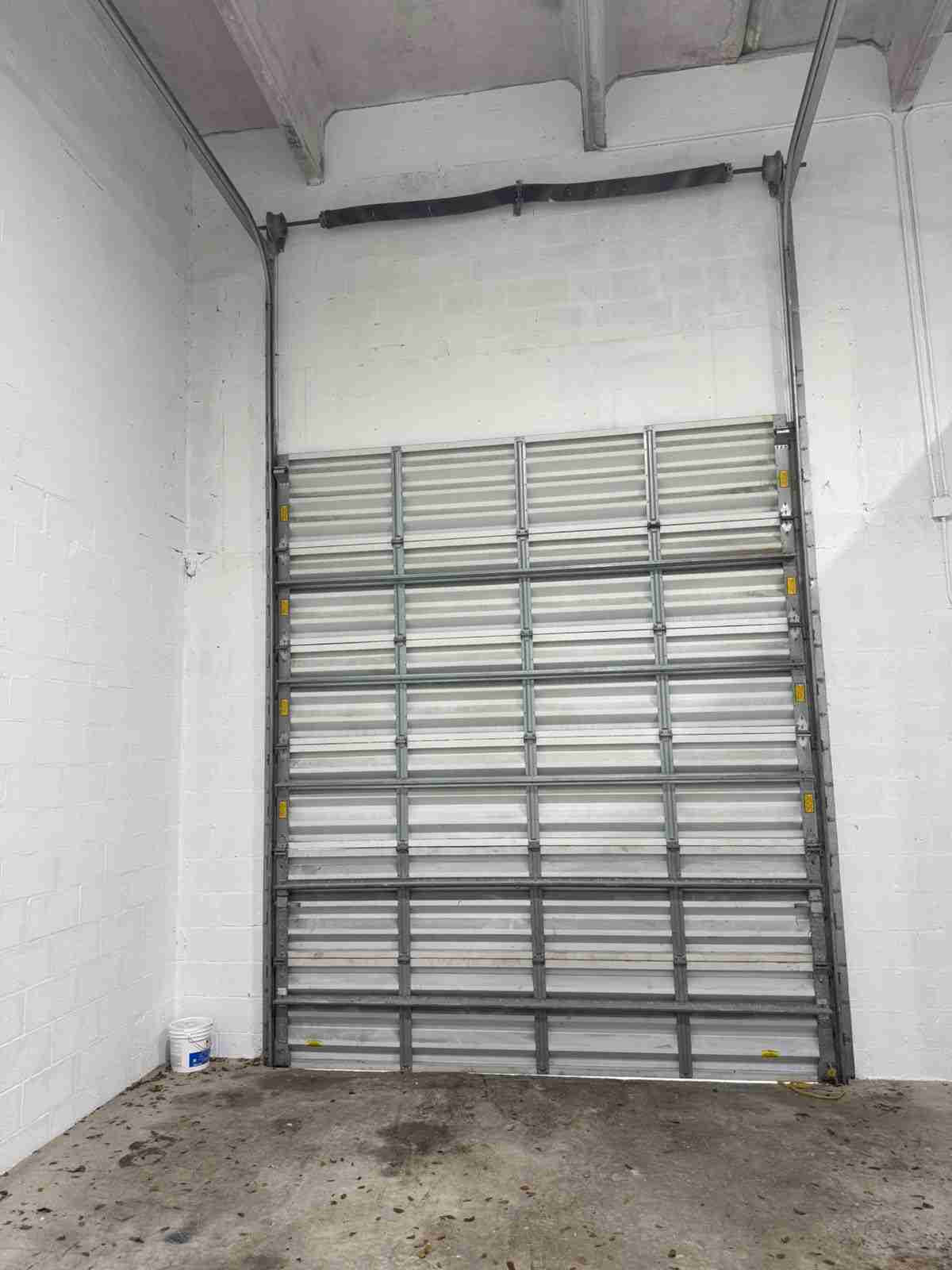
That’s why most homes built or updated in South Florida in the last couple decades use hurricane impact doors, which are rated to handle high wind pressure without buckling. If your door is older or was never rated for wind load, get someone to take a look before storm season really gets going. A door that’s already got a bent or off-track panel is far more likely to fail when a storm hits, so this isn’t something to leave until June.
Things to check before hurricane season:
- Confirm your door has a wind load rating suited for your area, since older doors often were not built to current codes
- Look for any dents, bends, or gaps around the frame that could let wind get underneath
- Test the emergency release so you know it works if the power goes out
- Make sure the track bolts and brackets are tight, not just visually fine
Rain, Flooding, and Standing Water
South Florida’s afternoon storms can dump an inch of rain in under an hour. If your driveway slopes toward the garage even slightly, that water heads straight for the bottom of your door. Over time, standing water at the base causes the bottom seal to rot or crack, and it can start rusting the bottom panel from underneath where you can’t see it.
If your garage has flooded even a little during a storm, check the bottom section of the door and the sensors near the floor. Photo-eye sensors sit low on the track for a reason, but that also means they’re the first thing to get splashed or coated in mud during heavy rain, which can cause the door to refuse to close or reverse for no obvious reason.
Salt Air Near the Coast
If you’re closer to the water, in places like Hallandale Beach, Fort Lauderdale, or Hollywood itself, salt in the air is another factor working against your door. Salt speeds up corrosion on any exposed metal, which means hinges, springs, and tracks near the coast tend to rust faster than the same parts a few miles inland.
Coastal homeowners generally need to rinse down their garage door and hardware more often than someone living further west. A garden hose rinse every month or so, especially after a storm rolls through, helps keep salt from building up on the metal, and it takes maybe ten minutes.
Quick Reference: Florida Weather and Your Garage Door
| Weather Factor | What It Affects | What Helps |
|---|---|---|
| Intense heat | Springs, rollers, weatherstripping, opener | Lubricate moving parts, check opener heat settings |
| High humidity | Rust on hinges, tracks, bolts | Touch up paint chips, inspect hardware seasonally |
| Hurricane winds | Panels, track alignment, whole door structure | Confirm wind rating, check track bolts before storms |
| Heavy rain / flooding | Bottom seal, sensors, lower panel | Clear drainage near garage, wipe down sensors |
| Salt air | Any exposed metal parts | Rinse hardware monthly if near the coast |
Simple Maintenance Steps
You don’t need to be a pro to slow down weather damage. A few habits done consistently make a real difference:
- Lubricate hinges, rollers, and tracks every few months with a silicone-based spray, not WD-40
- Wipe down and inspect weatherstripping twice a year, replacing it once it feels hard or cracked
- Check for rust spots after the rainy season and touch up paint before it spreads
- Test the balance of your door by disconnecting the opener and lifting it halfway, it should stay put on its own
- Clear leaves, dirt, and debris from the tracks so they don’t trap moisture
If something feels off, like the door groaning more than usual or moving slower than it used to, it’s usually the springs or rollers wearing down. A quick garage door spring repair now is a lot cheaper than dealing with a door that won’t open at all during a storm.
Keeping Your Garage Door Ahead of Florida's Weather
Florida weather isn’t going to ease up, and your garage door will keep feeling the effects of it year after year. A little attention every few months, before summer heat and hurricane season roll in, keeps the door running smoothly and your home a bit safer during a storm.
If your door has been acting up, sticking, squeaking, or just not closing right after the last storm, give Ariel Garage Door Services a call at (561) 677-2840 and we’ll come take a look.
Frequently Asked Questions
How often should I service my garage door in Florida?
Because of Florida’s heat, humidity, and frequent storms, it’s a good idea to have your garage door professionally inspected and serviced at least once a year. If you live near the coast or use your garage door multiple times a day, scheduling maintenance every six months can help prevent premature wear.
Can Florida humidity cause my garage door to stop working?
Yes. High humidity can lead to rust on metal components, cause wooden doors to swell, and reduce the effectiveness of lubricants. Over time, these issues can make the door stick, operate noisily, or put extra strain on the opener.
Should I replace my garage door with a hurricane-rated model?
If your current garage door is older or isn’t rated for hurricane wind loads, upgrading to a hurricane-rated door is worth considering. These doors are designed to withstand high winds and can help protect your home from structural damage during severe storms.
What type of lubricant is best for garage doors in Florida?
A silicone-based garage door lubricant is generally the best choice. It holds up better in high temperatures and humidity than standard lubricants. Avoid using WD-40 as a long-term lubricant, since it’s primarily a cleaner and water displacer rather than a dedicated garage door lubricant.
What are the first signs that Florida weather is damaging my garage door?
Common warning signs include rust spots on hinges or tracks, squeaking or grinding noises, cracked weatherstripping, slow or uneven movement, warped panels, and difficulty opening or closing the door. Addressing these issues early can help avoid more expensive repairs later.