If your garage door opener has started acting up, grinding, slow to respond, or just plain noisy, you are probably wondering if it is time for a new one or just a quick fix. Openers are not something most homeowners think about until they stop working the way they should.
The short answer is that most garage door openers last between 10 and 15 years. But that number depends a lot on how the unit is used, how well it has been maintained, and even the weather it deals with here in South Florida.
How a Garage Door Opener Actually Works
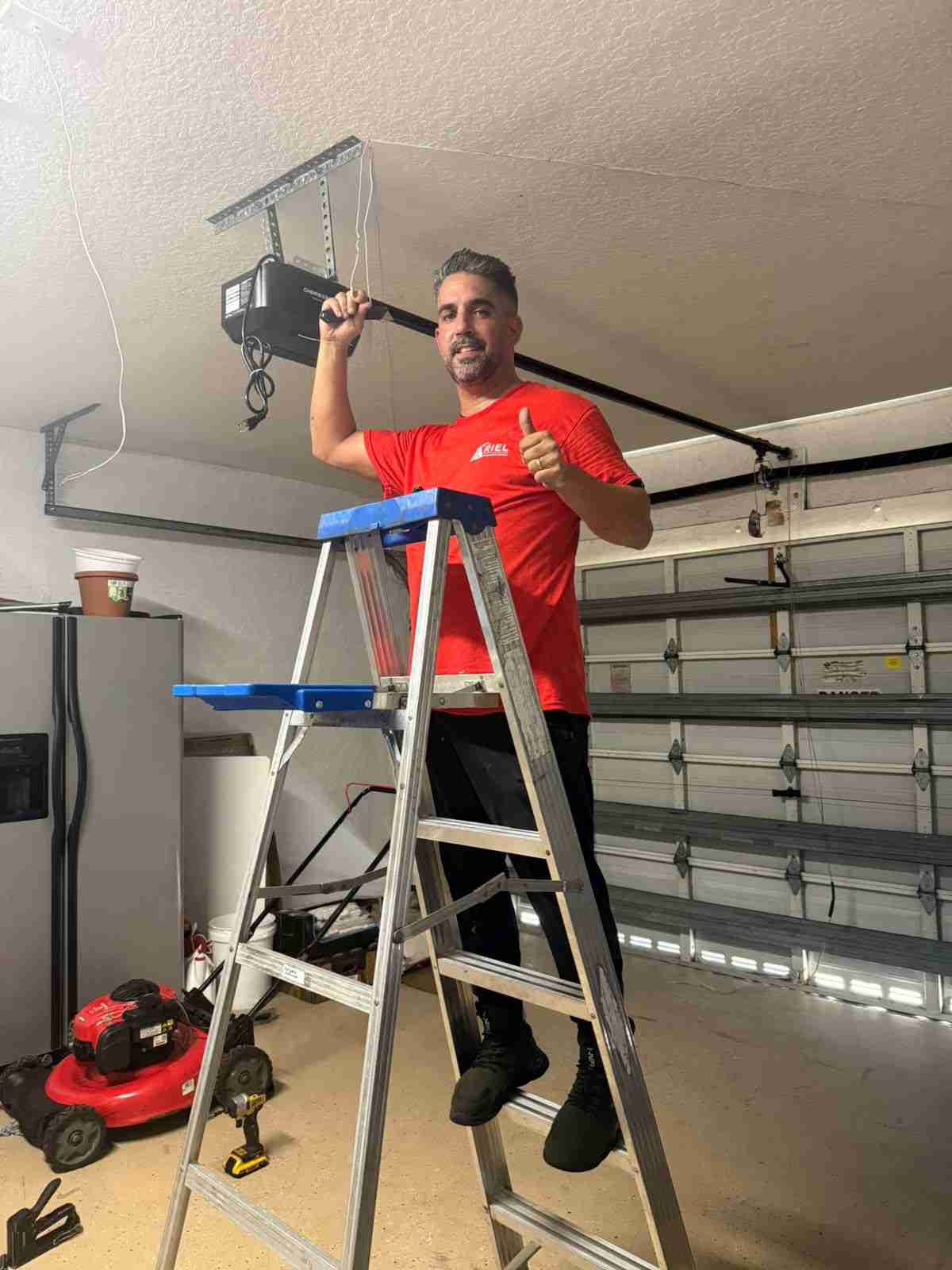
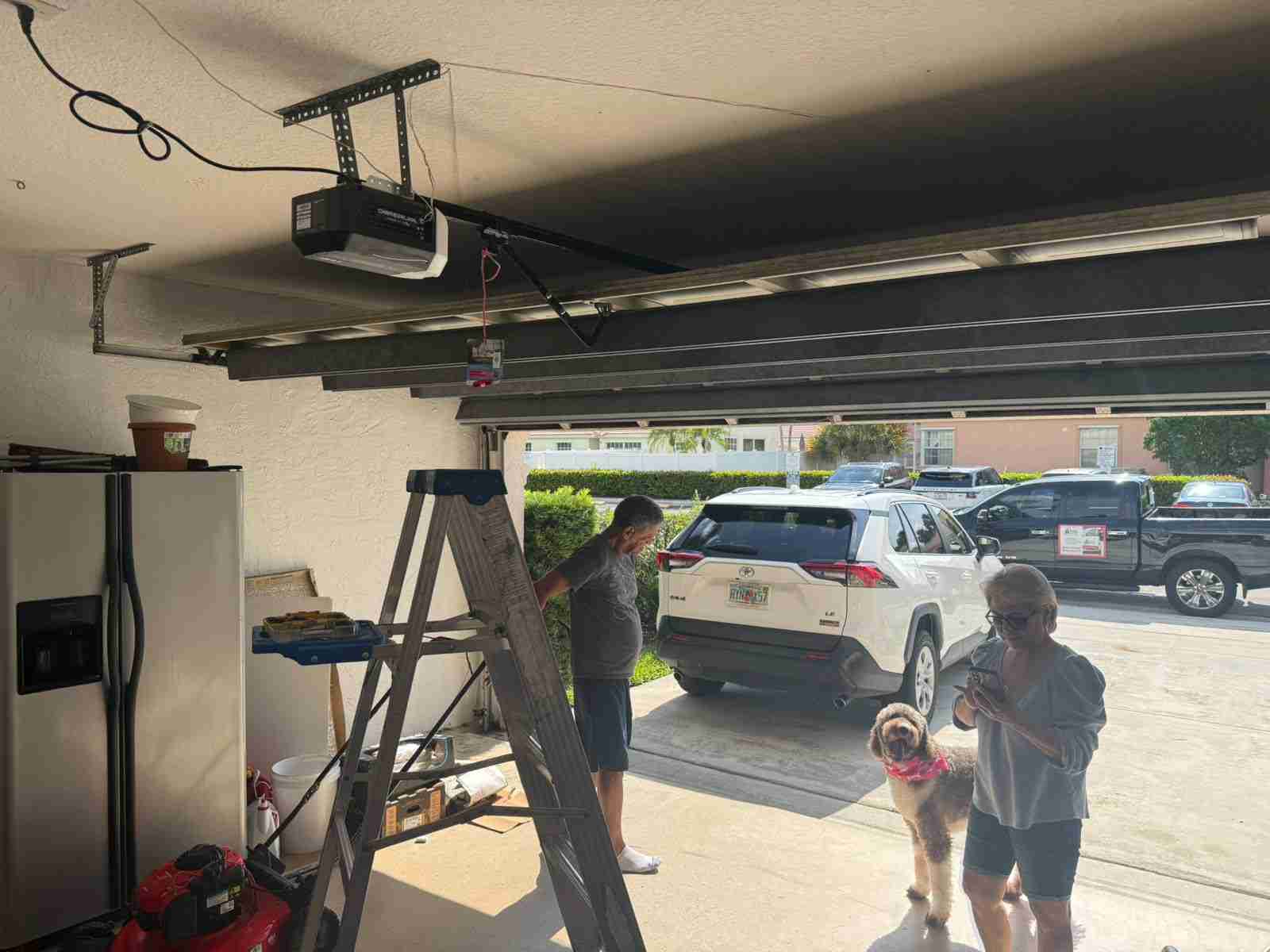
A garage door opener is basically a motor mounted on the ceiling that pulls the door up and down along a track using a chain, belt, or screw drive. The motor connects to a control board, which talks to your wall switch, remotes, and the safety sensors near the floor.
Every part in that chain wears down at its own pace. The motor itself usually outlasts the smaller parts like the drive belt, the gears inside the unit, and the sensor wiring. That is why an opener rarely fails all at once. Instead, you tend to notice one small issue, then another, until the whole unit starts to feel unreliable.
Average Lifespan of a Garage Door Opener
Here is a rough guide based on how most openers hold up over time.
| Opener Type | Average Lifespan | Notes |
|---|---|---|
| Chain drive | 10-15 years | Durable but noisier over time |
| Belt drive | 10-15 years | Quieter, similar lifespan to chain drive |
| Screw drive | 10-15 years | Needs regular lubrication to avoid early wear |
| Direct drive | 15+ years | Fewer moving parts, tends to last longest |
These numbers assume normal daily use, roughly two to four cycles a day. Homes that use their garage more often, like families with multiple cars or a home gym in the garage, may see some wear happen sooner.
What Affects How Long an Opener Lasts
A few things play a bigger role than people expect.
- Humidity and salt air, which are common in Hollywood and along the coast, can speed up wear on metal parts
- How often the door is used each day
- Whether the opener gets basic maintenance like lubrication and sensor checks
- The quality of the original installation
- Power surges from storms, which are not rare in Florida
Skipping small checks adds up. A little bit of dust on the sensors or a dry chain does not sound like much, but over months it puts extra strain on the motor.
Signs Your Opener Might Be on Its Way Out
Some warning signs show up long before an opener fails completely.
- The door opens or closes slower than it used to
- You hear grinding, clicking, or straining sounds
- The remote works only sometimes, or you need to press the button a few times
- The opener runs but the door does not move
- The motor unit feels warm or smells odd after use
If you are noticing any of these, it is worth having someone take a look before you get stuck with a door that will not open at all. A garage door opener repair visit can often tell you whether it is a small fix or genuinely time to replace the unit.
Repair or Replace?
This is the part people get stuck on. If the opener is under 10 years old and the problem is something specific, like a worn sensor or a remote that needs reprogramming, repair usually makes sense. If it is older, or the motor itself is struggling, replacement tends to save money in the long run.
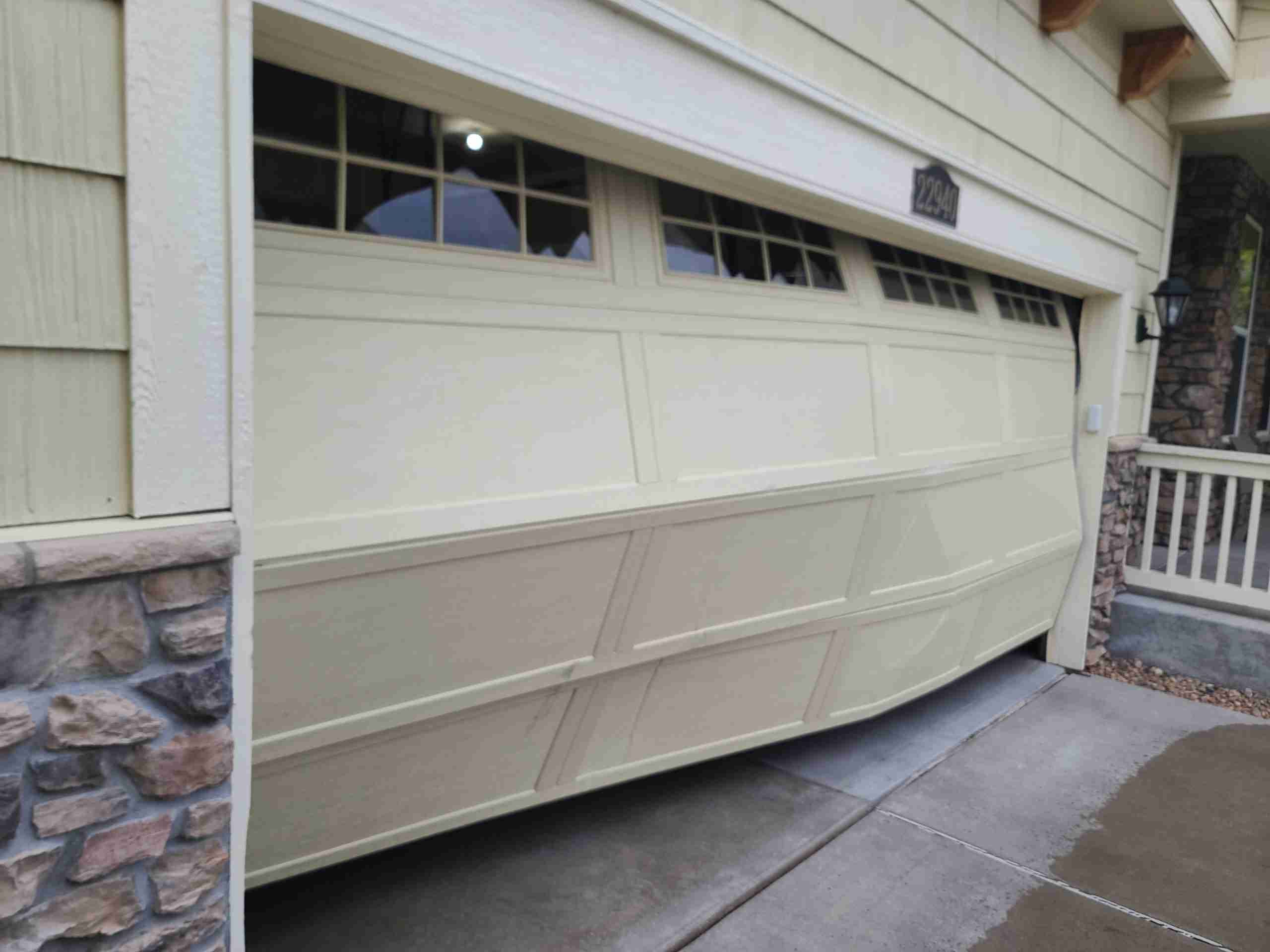
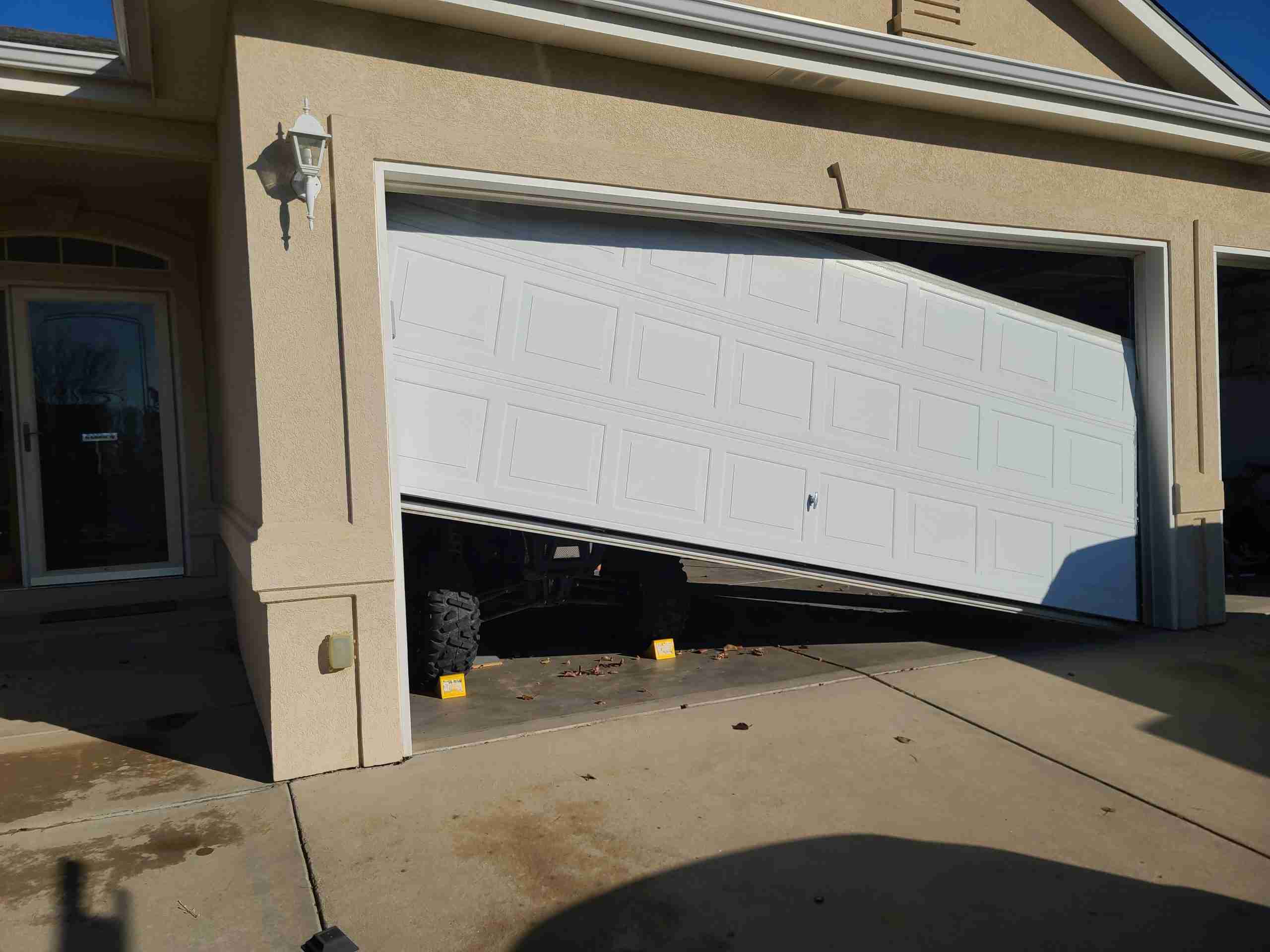
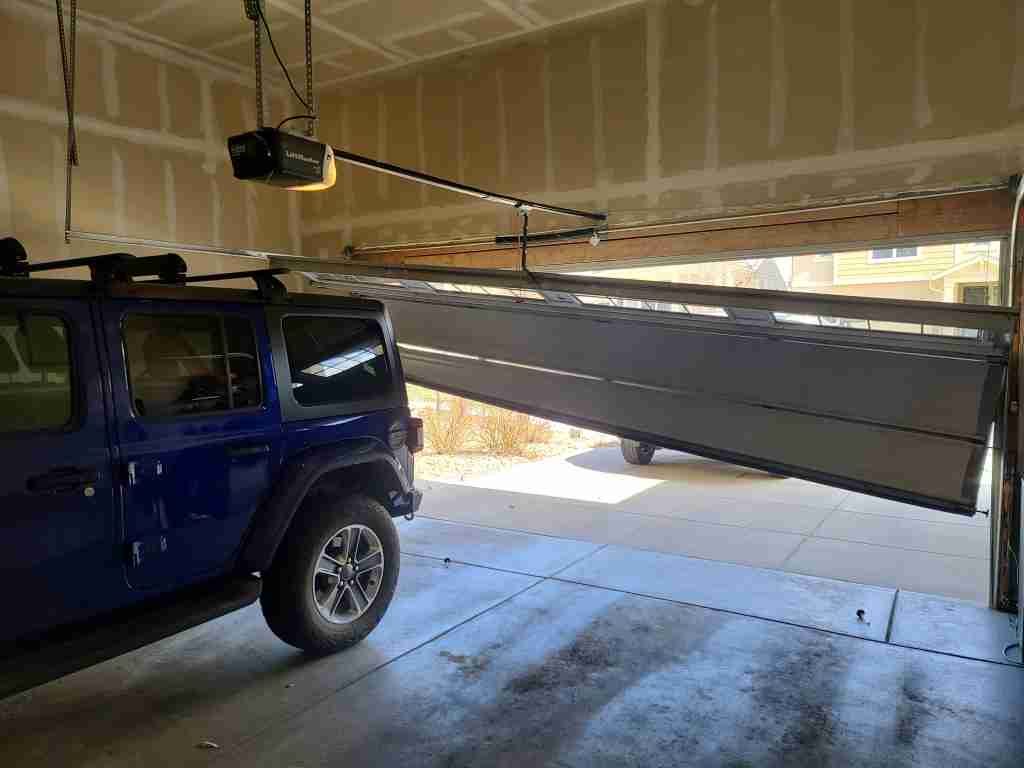
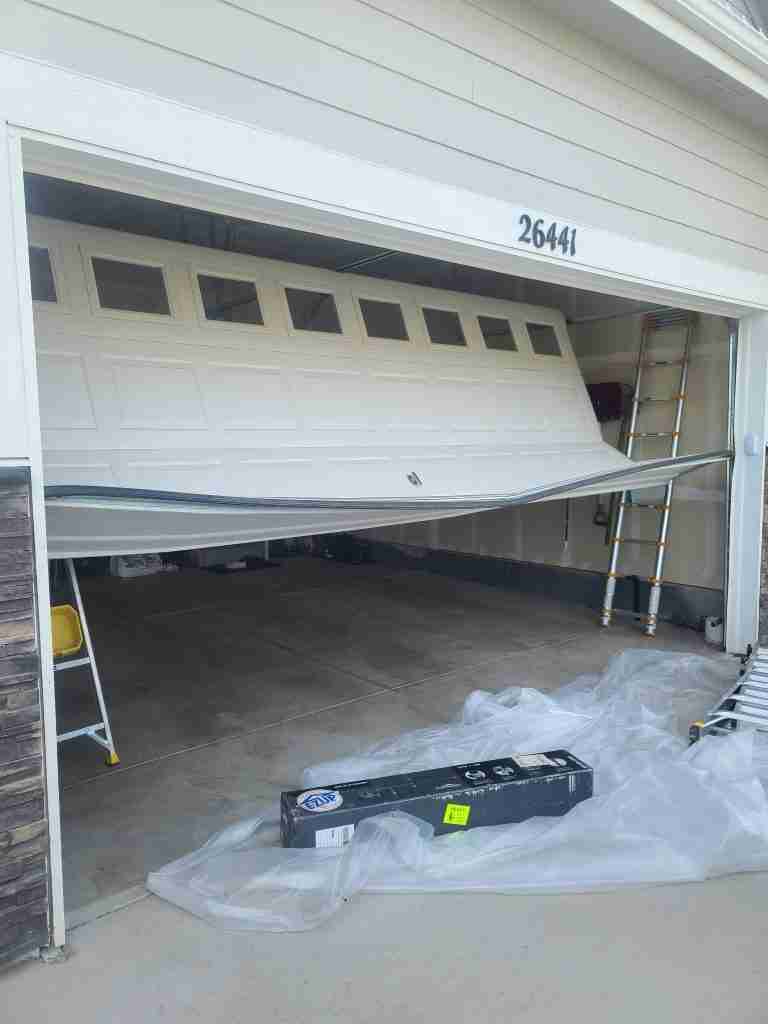
It also matters what else is going on with your door. A sticking door or one that feels heavier than usual passes that strain straight to the motor. Sometimes the real issue is tied to a garage door off track problem or a worn spring, and fixing that first can add years back to your opener’s life. Cost tends to settle the decision either way. Small repairs are cheap, but once motor and control board issues stack up, the bill often creeps close to the price of a new unit, which comes with a fresh warranty too.
| Situation | Repair | Replace |
|---|---|---|
| Opener is under 10 years old | Usually the better option | Not needed unless motor is damaged |
| Opener is over 12 to 15 years old | Only worth it for small fixes | Usually the smarter long-term choice |
| Issue is a sensor, remote, or wiring | Repair is quick and affordable | Not necessary |
| Issue is the motor or control board | Can be costly, sometimes not worth it | Often makes more financial sense |
| Door reverses improperly or fails safety tests | Repair only if the cause is minor | Replace immediately for safety |
| Repair cost is close to half the price of a new unit | Rarely worth it | Better value long term |
Garage Door Opener Maintenance Tips
A little upkeep goes a long way.
- Lubricate the chain, screw, or belt twice a year
- Keep the sensors clean and free of dust or spider webs
- Test the auto-reverse safety feature every few months
- Tighten any loose bolts or brackets on the unit
- Avoid yanking the emergency release cord unless it is actually needed
None of this takes long, and it is far cheaper than an emergency call when the motor finally gives out.
Should You Install a New Opener Yourself?
Some homeowners think about installing a new opener on their own, especially with kits sold at hardware stores. It can be done for a basic setup, but garage door openers involve more than bolting a motor to the ceiling.
The safety sensors need exact alignment, the spring tension has to be accounted for, and the control settings have to match your specific door’s weight and size. Get any of that wrong and the door can reverse improperly, close too hard, or fail to detect an obstruction, which is a real safety issue if kids or pets are around. A professional install through a professional garage door service takes care of all of that in one visit, along with confirming the door’s springs and hardware are in good shape before the new opener goes in.
Conclusion
A garage door opener rarely gets a second thought until it starts giving you trouble. Most units give you a solid 10 to 15 years if they are looked after, and even longer if you catch small issues early. A quick sensor wipe or some lubricant every so often does not take much time, but it saves you from a dead opener at the worst moment.
Frequently Asked Questions
How do I know if my garage door opener needs replacing instead of repairing?
If the opener is over 10 years old, struggles with normal use, or the motor makes grinding noises even after lubrication, replacement is usually the better long term option.
Can weather in Florida shorten the life of a garage door opener?
Yes. Humidity, salt air near the coast, and power surges from storms can wear down motor parts and electronics faster than in drier climates.
Does the brand of opener matter for lifespan?
It does to some extent. Well known brands like LiftMaster tend to hold up well with proper maintenance, but even a good brand will not last as long without basic upkeep.
How often should I have my garage door opener serviced?
A yearly check is a good habit, along with lubricating moving parts twice a year and testing the safety sensors every few months.
Is it cheaper to repair my opener or buy a new one?
For openers under 10 years old with a specific issue, repair is usually cheaper. For older units with multiple problems, a new opener often works out better since parts and labor add up over time.