Most people here don’t think about their garage door at all. It goes up, it comes down, done. Then one day it starts groaning and there’s an orange crust on the track, and everybody’s surprised.
We get these calls all the time at Ariel Garage Door Services. Salt is nearly always part of the story. So let’s go through what it really does to a door, what breaks first, and what you can do about it without spending much.
What Salt Air Actually Does
The ocean throws a fine mist into the wind. The water evaporates but the salt stays, and it blows around town and lands on cars, windows, fences and, yeah, your garage door. In Fort Lauderdale that goes on year round. Not only in hurricane season.
Here’s the part people get wrong. Salt isn’t what rusts the metal, at least not alone. Water does that. Salt just makes it way faster, and it holds onto moisture too. With our humidity, the salt on a track or spring barely ever dries out all the way. A lot of Broward County garage door rust comes down to exactly that.
Quick note: Dry salt mostly sits there. Wet salt keeps working on the metal, day after day.
Which Parts Go First
Small steel parts that move a lot tend to go before anything else. From what we see on jobs, the list usually looks like this:
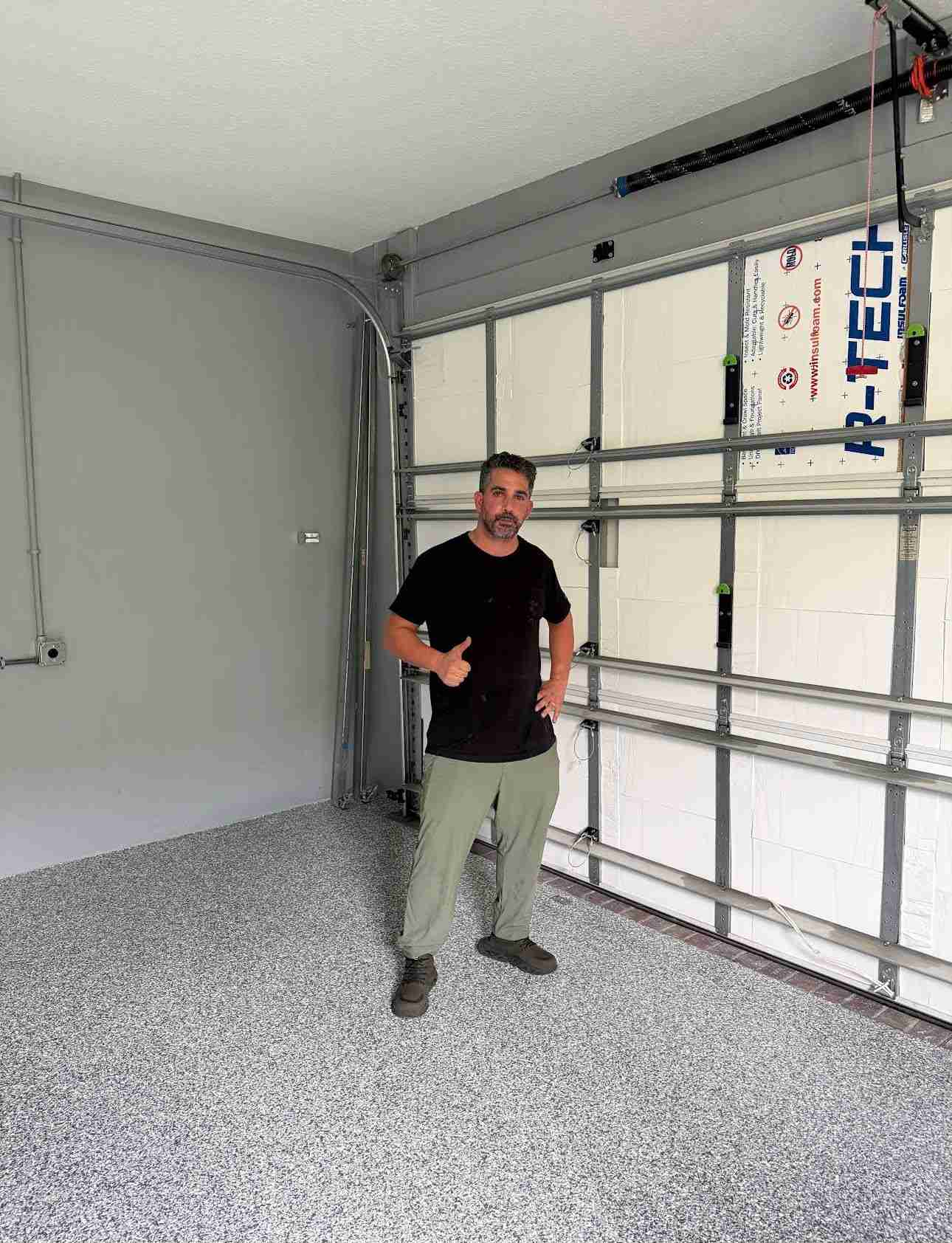
- Springs. Rust makes them brittle, and a rusty spring can snap with very little warning.
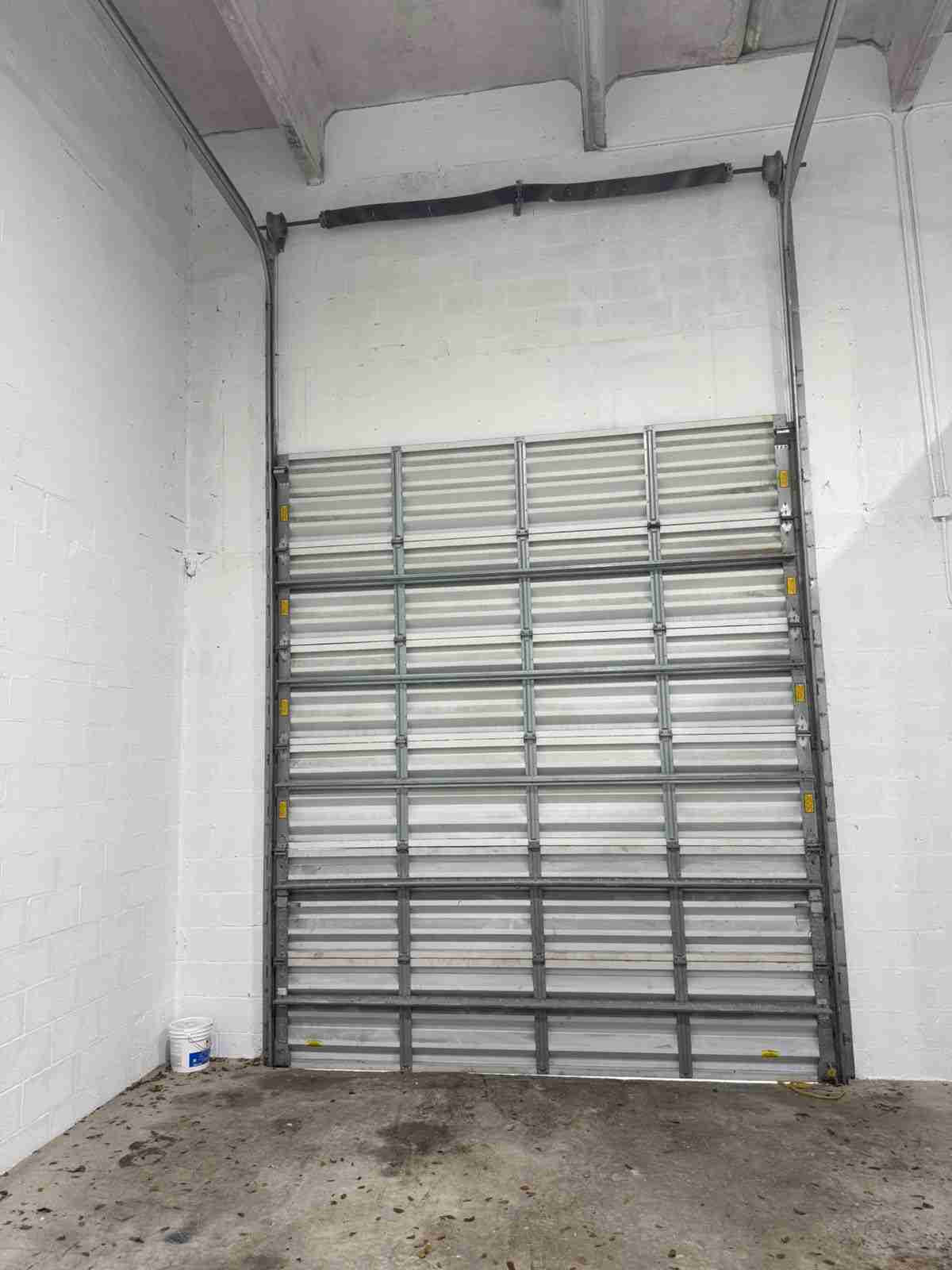
- Tracks and rollers. They get rough and gritty, so the door shakes or sticks.
- Hinges and bolts. They stiffen up, and sometimes they seize completely.
- Cables. Rust can fray them, and that’s a safety thing, not just an annoyance.
- Opener electronics. Sensors and circuit boards really don’t like damp salty air.
- Bottom of steel panels. Paint bubbles up there first because water sits at the edge.
| Part | What Salt Air Does | What You Might Notice |
|---|---|---|
| Springs | Rust weakens the metal | Squeaks, uneven lift, sudden break |
| Tracks and rollers | Rust builds up where parts touch | Grinding, jerky movement |
| Hinges and bolts | Parts stiffen or loosen | Wobble, gaps between panels |
| Steel panels | Coating wears off | Bubbling paint, orange spots |
| Opener and sensors | Moisture reaches the electronics | Slow remote, sensor errors |
Does the Material Make a Difference?
It does. Steel is the usual pick because it’s tough and costs less, but it lives or dies by its coating. One deep scratch and the salt gets in. After that, rust spreads under the paint where you can’t see it. Newer steel doors have better finishes than the old ones, so they hold up okay as long as somebody keeps an eye on them.
Aluminum doesn’t rust the way steel does, though near the water it can pit, and it dents more easily. Fiberglass and vinyl are pretty good with moisture. Wood is the high-maintenance one. It needs sealing every so often or it swells and rots, which is why plenty of people near the coast pass on wood doors even though they look great.
| Material | Salt Air Resistance | Worth Knowing |
|---|---|---|
| Galvanized steel | Fair to good | Rusts if the coating gets scratched |
| Aluminum | Good | Dents more easily |
| Fiberglass | Good | Can fade in strong sun |
| Vinyl | Good | Fewer style choices |
| Wood | Fair | Needs sealing and regular upkeep |
Easy to forget: Springs, tracks and hardware are steel on every door. A fiberglass door can still have a badly rusted spring behind it.
Fort Lauderdale vs. the Cities Further In
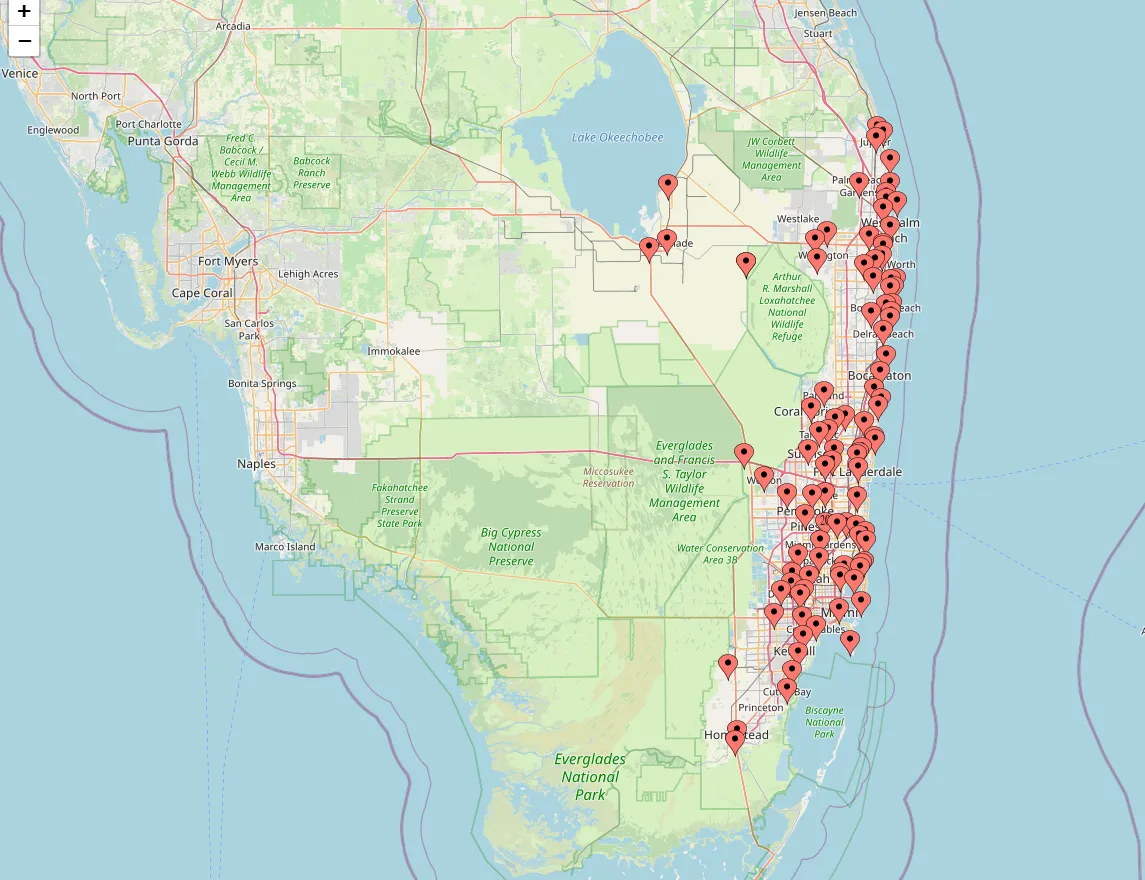
The closer you are to the beach, the Intracoastal or the canals, the worse it gets. Wind pushes salt straight at the door and rain doesn’t always rinse it off. Sometimes it just makes a damp film that sits there. Most garage door repair in Fort Lauderdale that we do near the water involves rusty springs, stiff hinges and tracks that have gotten loud.
Go west and it changes a little. Davie, Weston and Coral Springs get less salt. The rust is slower there, but it isn’t gone. Storm winds carry salt a long way inland, and humidity is the same everywhere. Lawn sprinklers soaking the bottom of the door every morning make it worse. So garage door repair in Davie FL or garage door service in Weston FL ends up being a lot like the coast, only less urgent.
Signs It's Already Started
Salt damage is sneaky at first. You’ll see it if you look, though:
- Orange or brown spots on springs, tracks or hinges
- Paint bubbling or flaking near the bottom of the door
- New squeaks, grinding or rattling
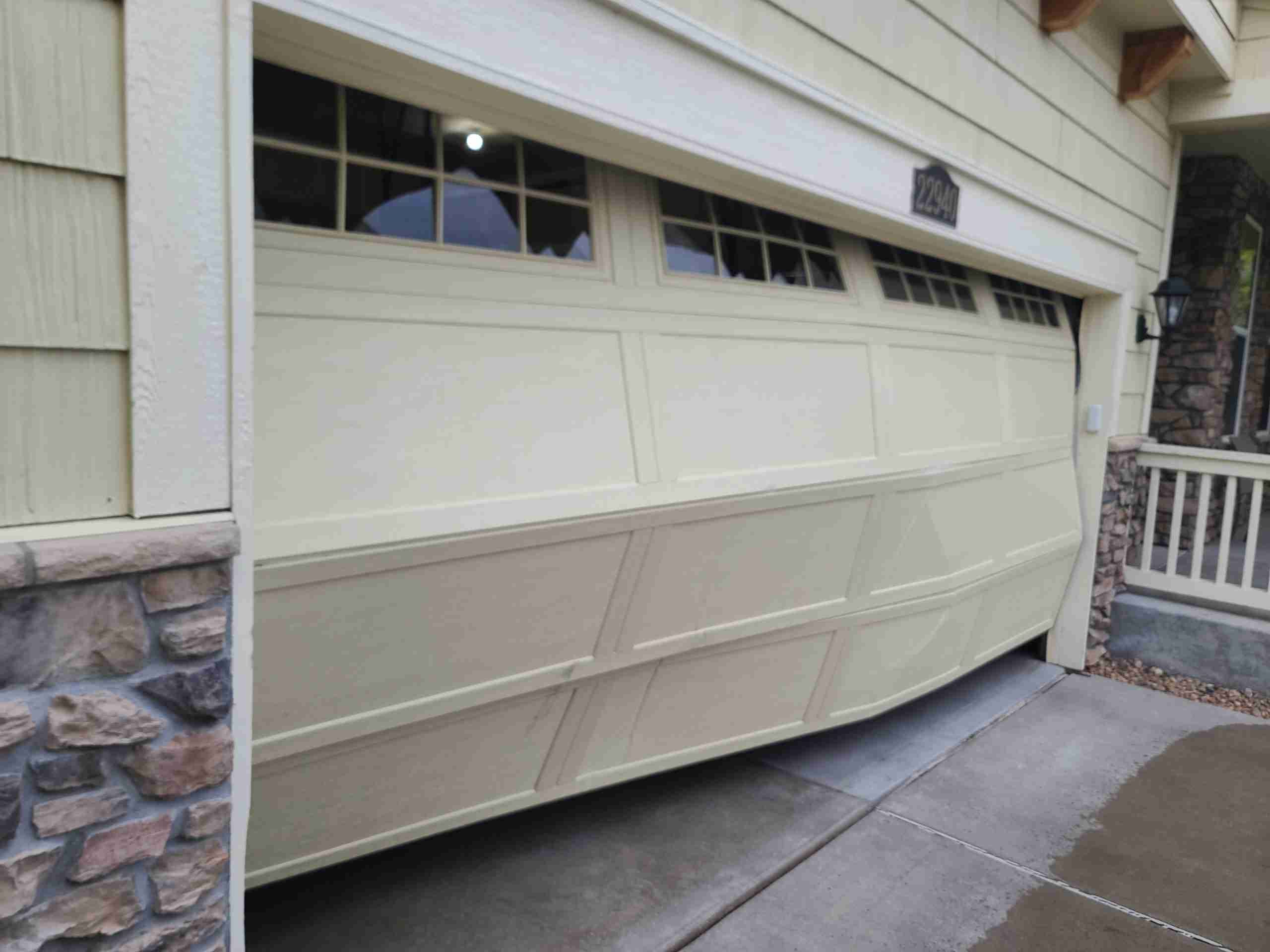
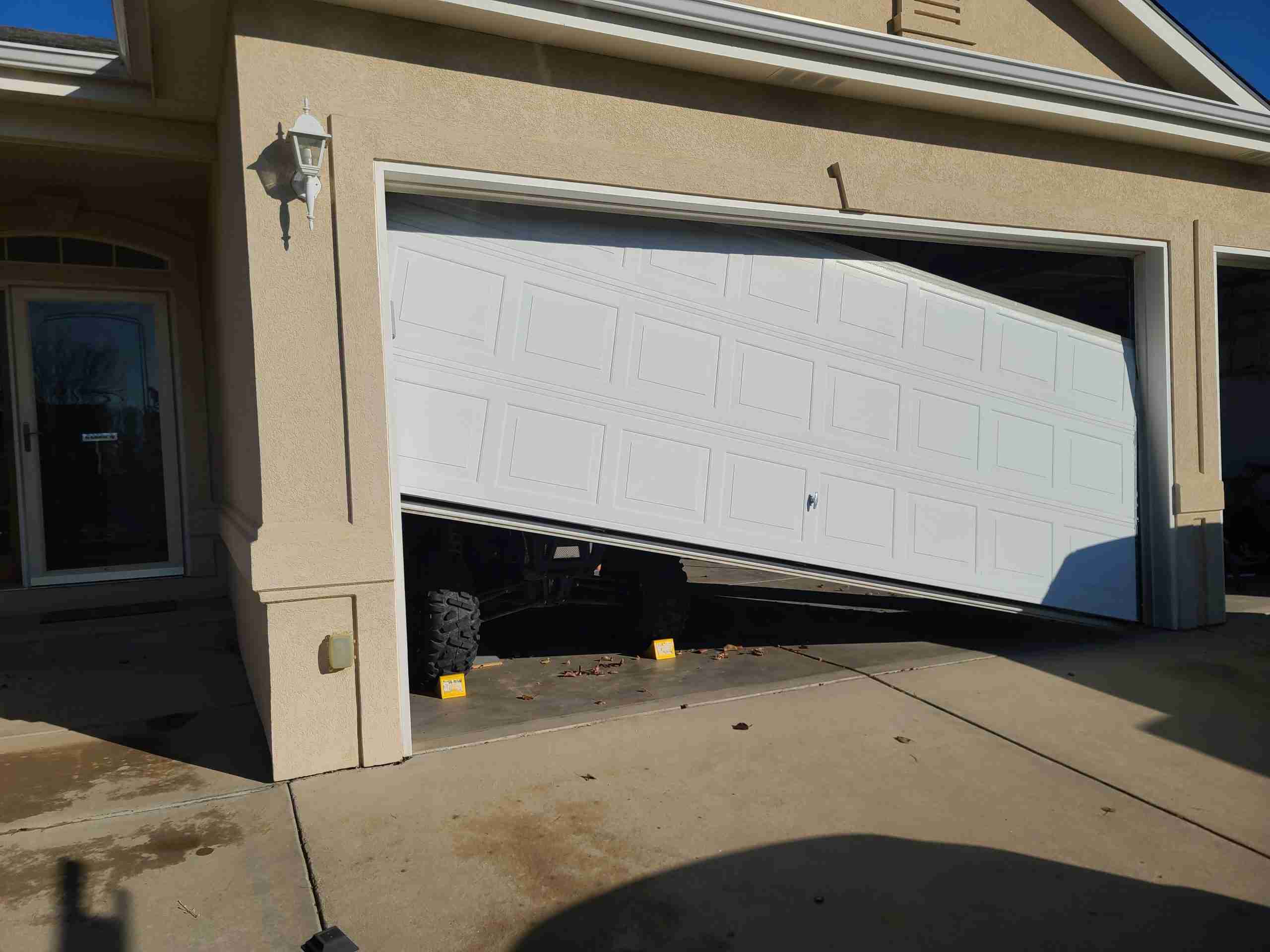
- A door that moves slowly or hangs a bit crooked
- White chalky powder on metal parts
- A remote that works only some of the time
Safety Note: Springs are under a lot of tension. Don't try to fix or replace one yourself, and definitely not a rusty one.
Easy Stuff That Helps
Nothing here is hard. Most of it takes maybe half an hour.
- Rinse the door with fresh water and a soft cloth every month or two. No pressure washer.
- Wipe the bottom edge dry if water likes to sit there.
- Spray garage door lubricant on hinges, rollers and springs twice a year or so. Thick grease just collects grit, so skip it.
- Touch up chips and scratches with matching paint early.
- Tighten loose bolts. A rattly door wears out faster.
- Look over the weatherstripping. If the rubber’s cracked, salty air gets into the garage.
- Have the whole door checked once a year.
That’s most of coastal garage door maintenance in Fort Lauderdale, really. Just doing these things regularly. Also, rust isn’t the only reason a door gets sluggish, and a garage door opening slowly can have other causes worth ruling out.
Repair or Replace?
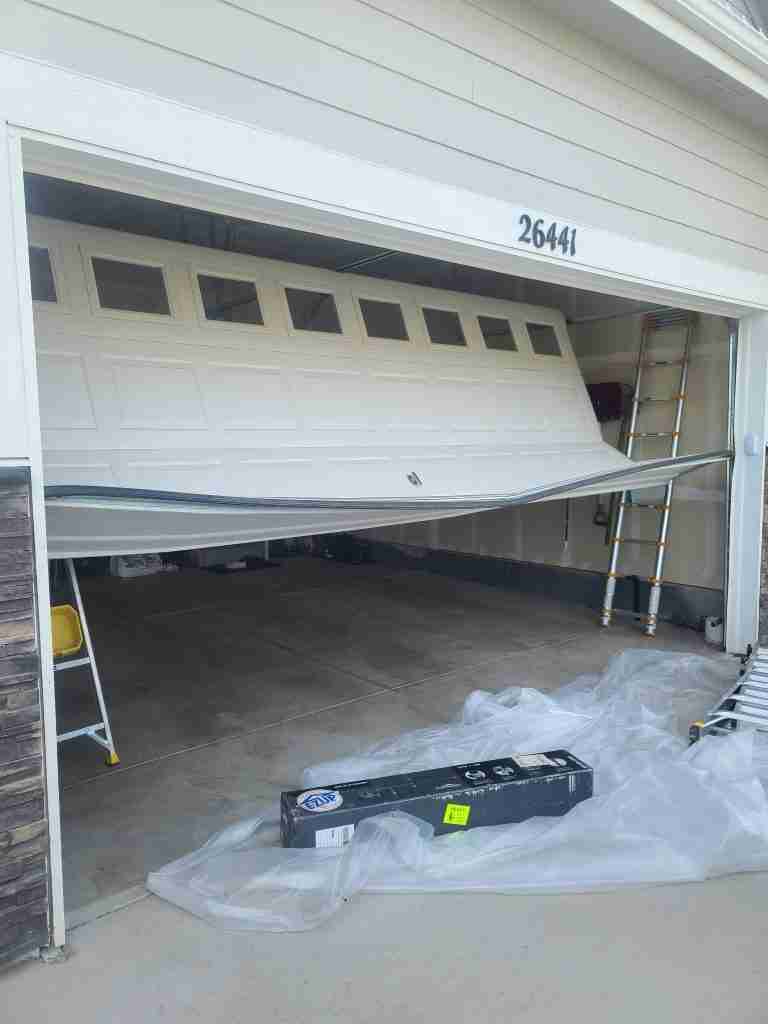
Light rust on a track or hinge is usually a simple fix. The tech cleans it up, swaps the worn piece and lubricates it. Springs are probably the most common job on homes near the water, and most spring repair gets finished in a single visit. If a roller stuck from rust and the door came out of its rails, that’s an off track repair. Openers that act up from moisture can often be fixed without buying a new one.
Sometimes the door’s just done. Rust is across several panels, or the frame has gone soft, or the same problem keeps coming back every few months. Then you’re paying twice for one issue. Door replacement costs more up front, but a door made of something that handles salt better can save a lot of repeat visits.
Here’s a quick side by side if you’re stuck deciding.
| Features | Repair | Replace |
|---|---|---|
| Best when | Rust is light and limited to one or two parts | Rust is spread across panels or the frame is weak |
| Typical fixes | Springs, rollers, hinges, tracks, opener parts | Whole door, usually with new hardware |
| Upfront cost | Lower | Higher |
| Time needed | Often one visit | Usually longer, since the door is measured and installed |
| Long term | Fine if the problem doesn't keep returning | Better if repairs keep stacking up |
| Salt resistance | Same door, same weak spots | Can switch to a material that handles salt better |
Keep Watching It, Especially Before Hurricane Season
Living near the water is great most of the year. The price is that your garage door deals with salt, sun and humidity constantly, and it won’t tell you anything is wrong until a part gives out.
You don’t need to be handy. Rinse it, lube it, look it over now and then. If you notice rust, new noises or a door that’s slowing down, get it checked sooner rather than later. We’re glad to come out, whether you’re near the beach or out in Coral Springs.
Got Rust on Your Garage Door?
Ariel Garage Door Services is based in Hollywood and works across Broward County, including Fort Lauderdale, Davie, Weston and Coral Springs. If you’ve spotted rust or odd noises, contact us and we’ll come take a look at the springs, tracks and hardware.