Living in South Florida means dealing with hurricane season every single year. If you’re in Hollywood, Fort Lauderdale, Miramar, or anywhere across Broward, Miami-Dade, or Palm Beach County, you already know how serious a bad storm gets. Most homeowners focus on hurricane shutters, impact windows, and roof straps. The garage door gets skipped.
That’s a problem worth paying attention to. The garage door is the largest single opening on most homes. It covers more square footage than any window or entry door combined. When a hurricane makes landfall, that large flat surface catches wind pressure before almost anything else. Studies done after Hurricane Andrew found that around 80 percent of homes with major structural damage had experienced a garage door failure first. Once the door gives, air rushes in, internal pressure climbs fast, and the roof structure takes the hit from the inside out. In coastal Florida counties, building codes now require hurricane-rated garage doors for exactly this reason.
Why the Garage Door Is the Weakest Spot on Most Homes
Most people think about shutters and boarded-up windows when they picture storm prep. Those things matter, but the garage door is simply bigger than all of them. A standard two-car door spans 16 to 18 feet wide and 7 feet tall. That’s a large surface area facing directly into the wind.
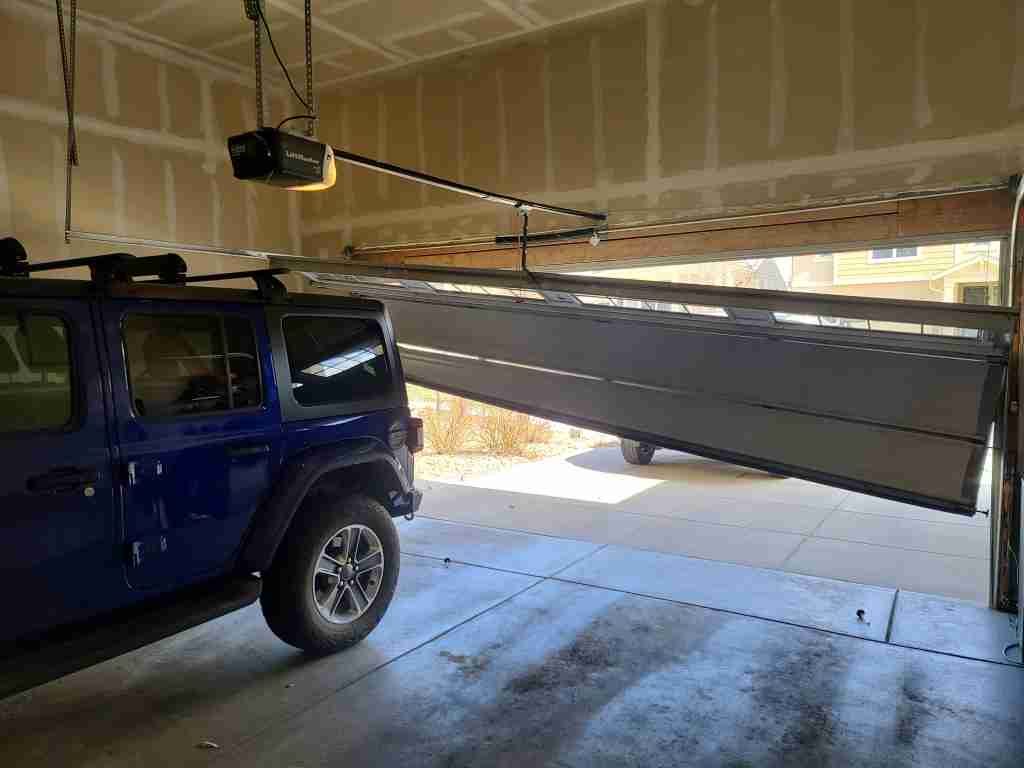
Standard doors are built around lightweight panels, basic hardware, and counterbalance springs. None of that holds up well under the sustained wind and pressure a Category 2 or stronger storm produces. When the door buckles, the opening is exposed, wind fills the structure, and roof panels can tear off from the inside out. Replacing a standard door with a hurricane impact garage door cuts that risk down significantly. For homeowners in coastal zones, this isn’t really an upgrade. It’s the correct starting point.
What Makes a Garage Door Hurricane-Rated?
A rated door is a complete system, not just a heavier panel. Several components work together to handle high wind speeds and flying debris:
- Heavy-gauge steel panels: (typically 24-gauge or thicker) that resist bending under high pressure
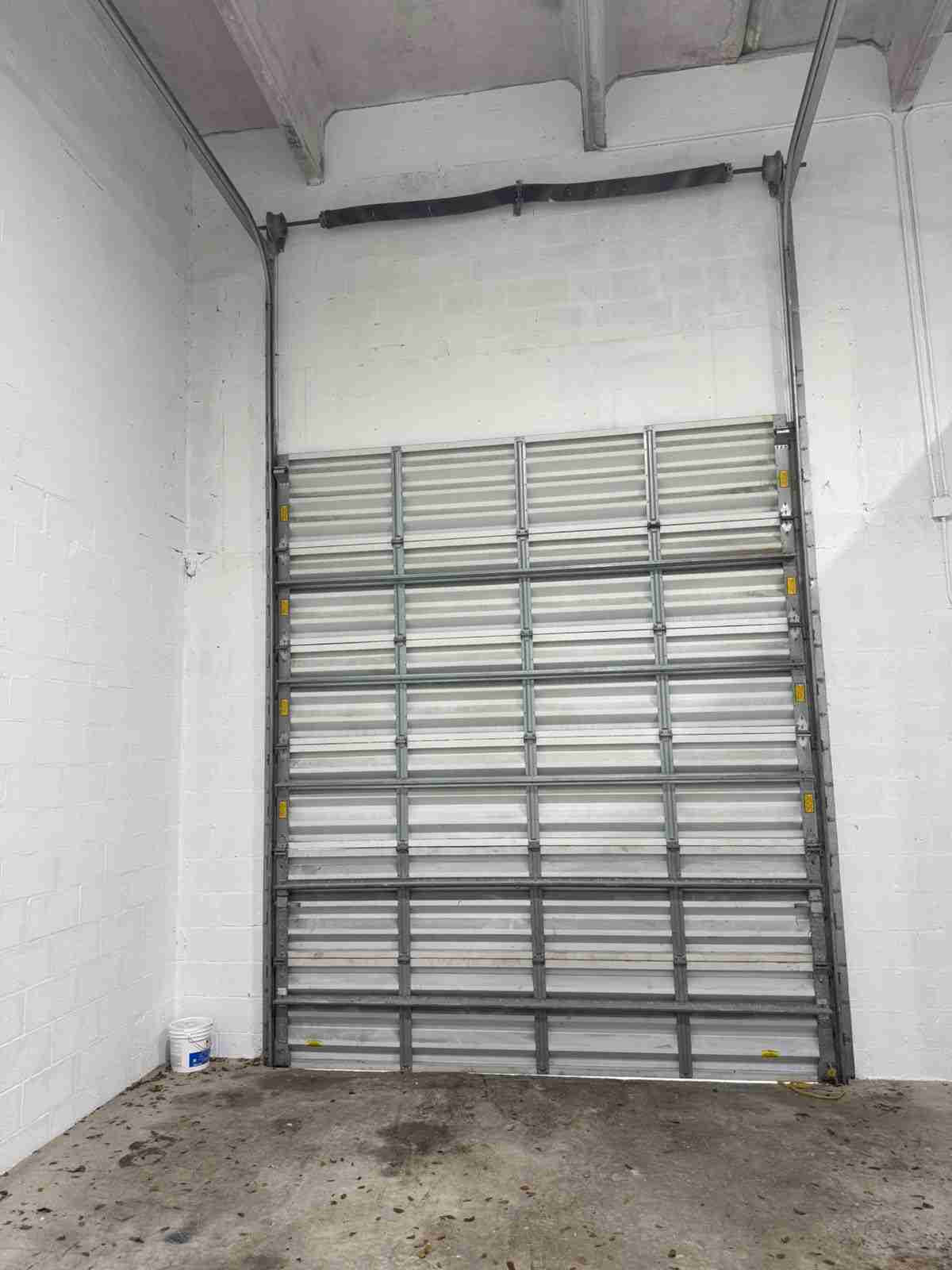
- Horizontal steel bracing: built into each section to spread wind force evenly across the full width of the door
- Reinforced tracks and rollers: made from thicker steel and properly anchored to the wall framing
- Heavy-duty end stiles and hinges: along every panel edge
- Impact-resistant glazing: on any window inserts so the glass holds together on debris impact
- A product approval label: on the inside face showing the manufacturer, model number, test standard, and positive and negative design pressure ratings
If you bought a home and aren’t sure what’s installed, check the inside face of the door for that label. If nothing is there or the print is worn off, have a technician look at it. A door without documentation may not be rated at all.
Wind Load Ratings and the Florida Building Code
Wind load rating tells you how much air pressure a door can handle before it fails. Florida uses the WindCode system, which runs from W1 to W9. A W1 door is rated for around 90 mph wind speeds. A W9 door is built for 150 mph and above. The right WindCode level for your home depends on your exact address, your proximity to the coast, and the specific wind zone your property sits in.
The Florida Building Code sets strict storm construction requirements. In coastal areas, garage doors must pass both impact testing (to simulate debris strikes) and structural pressure testing that mirrors real hurricane load conditions. Every door used in permitted Florida work also needs a Florida Product Approval number. The specific code requirements differ by county and sometimes by neighborhood, so what meets code in one area may fall short a few miles away. Before buying, check with your local building department or ask a licensed installer to pull the wind speed data for your specific address.
Types of Hurricane Impact Garage Doors
There are a few material options, and each one handles South Florida’s coastal climate a bit differently:
- Steel doors: The most common choice for storm protection in Florida. Heavier-gauge panels combined with internal steel bracing give them solid resistance to both wind pressure and flying debris. Many storm-rated steel doors also engage their internal bracing automatically when locked, so no separate setup is needed before a storm rolls in.
- Aluminum doors: A practical pick for properties close to the ocean. Aluminum doesn’t rust in salt air, and modern aluminum hurricane doors are built with proper reinforcement and heavy-duty hardware to meet code. They tend to run lighter than steel but still perform when tested correctly.
- Wood doors: Some wood doors can meet wind load requirements, but they need regular maintenance in a humid coastal climate. Sealing, inspecting, and repainting on a consistent schedule is not something you can let slide around here.
Built-In Storm Systems vs. Add-On Bracing Kits
There are two general ways to get hurricane protection for a garage door. The first is a factory-rated door with reinforcement already built into the panel structure. Lock it and the bracing is in place. No posts to install, no prep work before the storm. This matters for vacation homes and rentals where no one may be on-site when a storm tracks toward the coast.
The second option is an aftermarket bracing kit. These usually involve steel posts or horizontal bars that get installed before a storm and removed afterward. They can add some resistance to an existing door, but they do not bring an unrated door into compliance with the Florida Building Code. Wind load certification covers the full door system as it was tested, not parts bolted onto an existing door later. If your current door has no product approval number, aftermarket bracing beats nothing, but a garage door installation or replacement is the only path to code-compliant coverage.
Things to Confirm Before You Buy
A few details worth nailing down before committing to a specific door:
- Know your local wind zone: This sets the minimum WindCode level required for your address. Your local building department can confirm it, or ask your installer to check.
- Look for a Florida Product Approval number: Any hurricane-rated door used in permitted work in Florida will have one. Ask the seller or installer for documentation before the job starts.
- Check your opener’s capacity: Storm-rated doors are heavier than standard ones. An undersized opener wears out fast under that added weight. If your opener is already aging or sluggish, it’s a good time to look at garage door opener repair or replacement at the same time.
- Don’t mistake upgraded hardware for a rated door: New hinges or struts installed on an unrated door do not make it hurricane certified. The certification applies to the complete system as tested at the factory.
- Check the R-value: Better insulation keeps the garage cooler in South Florida heat and adds a small amount of extra rigidity to the panels as well.
Keeping a Storm-Rated Door in Working Condition
A hurricane-rated door in poor mechanical shape won’t perform when it matters. A basic maintenance routine keeps it working the way it was built to:
- Visual check every few months: Look for rust, dents, worn rollers, and loose hardware along the full length of the door
- Balance test: Disconnect the opener and lift the door manually to mid-height. A well-balanced door stays put on its own. If it drifts up or down, the springs are off. Garage door spring repair can sort that out before it causes bigger problems
- Lubricate moving parts twice a year: Hinges, rollers, and the opener chain or belt all need regular lubrication
- Clear the tracks: Debris in the tracks puts uneven stress on the door. A door that runs off track under wind load is a serious issue. Garage door off-track repair can get it realigned fast if that happens
- Pre-season inspection: Before hurricane season, have a technician go over all hardware, bracing, and moving parts to confirm everything is still in rated working condition
Before Hurricane Season Hits: What South Florida Homeowners Should Do Now
Hurricane season runs from June through November. Six months where your garage door’s condition matters more than usual. If your current door has no product approval label, or if the rating listed doesn’t match your local wind zone requirements, get it inspected before the season starts. Finding out in April costs far less than dealing with structural damage in September.
Storm-rated doors look the same as standard doors from the street. You don’t lose the look of your home to get the protection. The only visible difference is on the inside, where you’ll see heavier hardware and reinforced panel sections. If you want a clear answer on what your home actually needs, contact Ariel Garage Door Services. We’re based in Hollywood and serve all of Broward, Miami-Dade, and Palm Beach County. We stock hurricane impact doors and carry parts for LiftMaster, Clopay, and Amarr, so nothing needs to be special-ordered.
Frequently Asked Questions
What is a hurricane-rated garage door?
A hurricane-rated garage door is a door that has been independently tested and certified to handle high wind speeds and debris impact. It’s a complete system, including heavy-gauge panels, internal steel bracing, reinforced tracks, and approved hardware. In Florida, these doors carry a state product approval number and must meet the Florida Building Code requirements for the local wind zone.
How do I know if my current garage door is hurricane-rated?
Check the label on the inside surface of the door. It should list the manufacturer name, model number, test standard, and the positive and negative design pressure ratings. No label usually means the door has not been certified. A garage door technician can confirm the status during a basic inspection.
What WindCode level do I need in South Florida?
It depends on your specific address and wind zone. Most coastal areas in Broward, Miami-Dade, and Palm Beach Counties require W6 or higher. Properties in direct hurricane exposure zones may need W8 or W9. Your local building department can give you the exact number, or ask a licensed installer to look it up for your address.