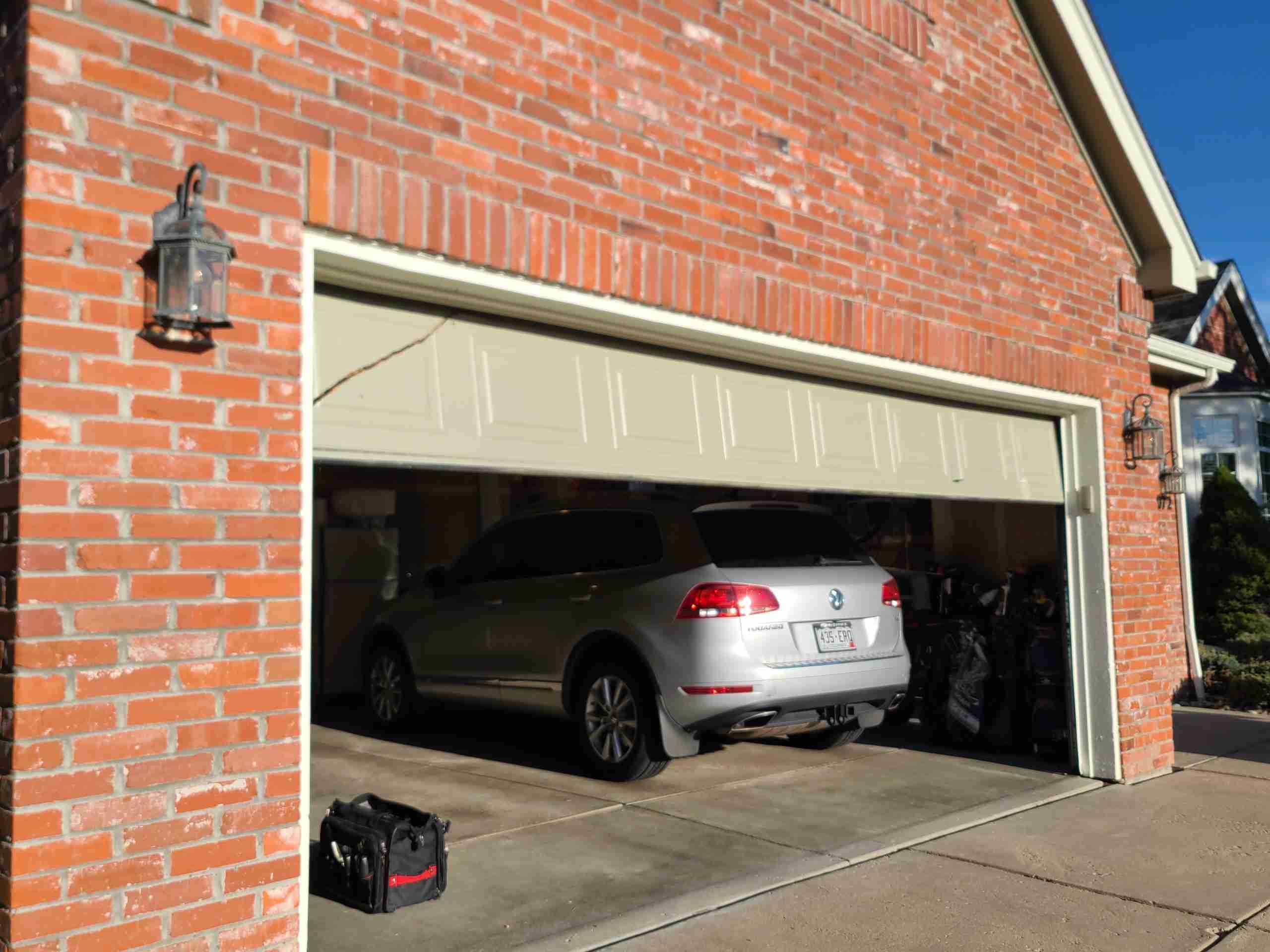
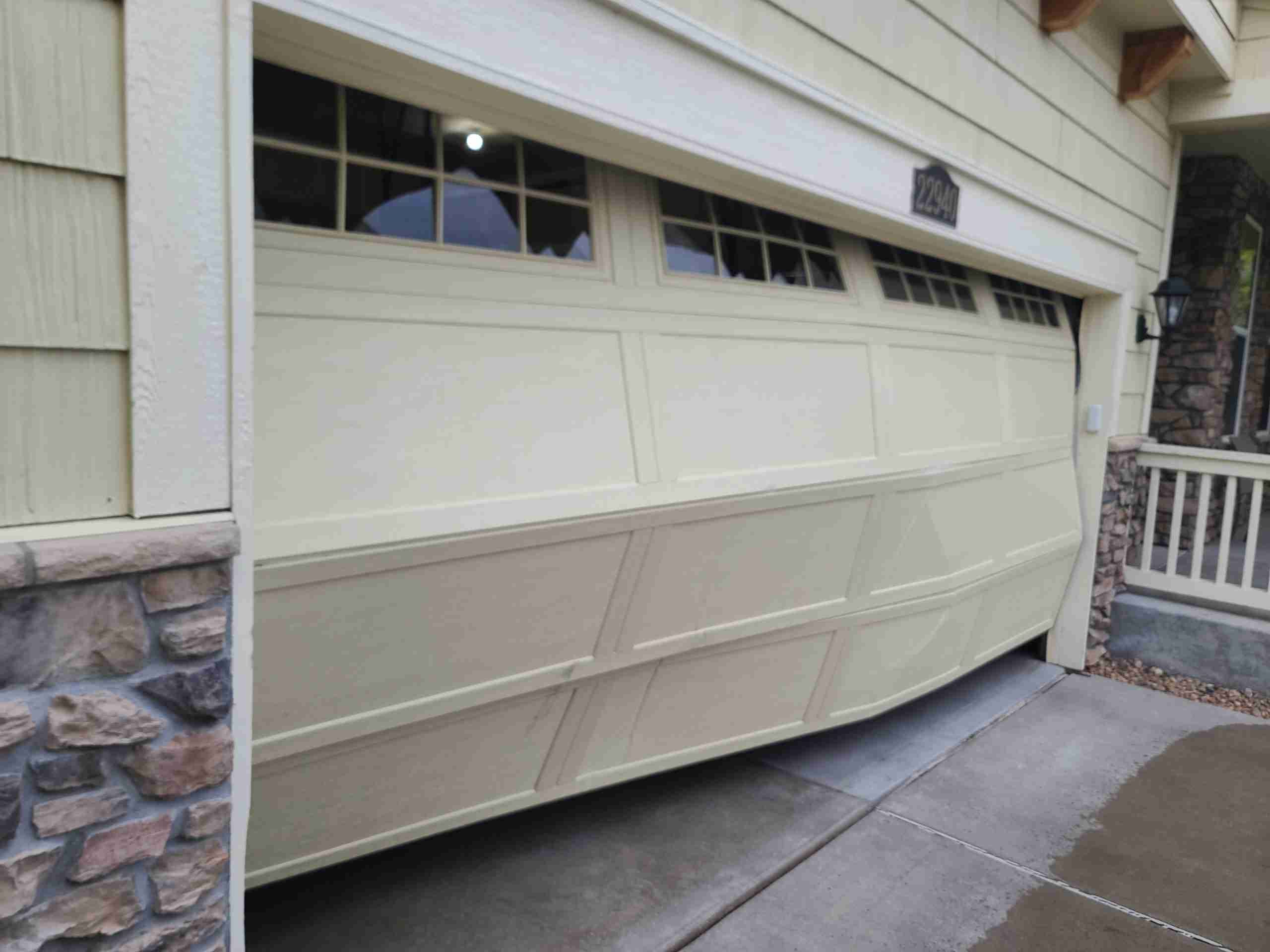
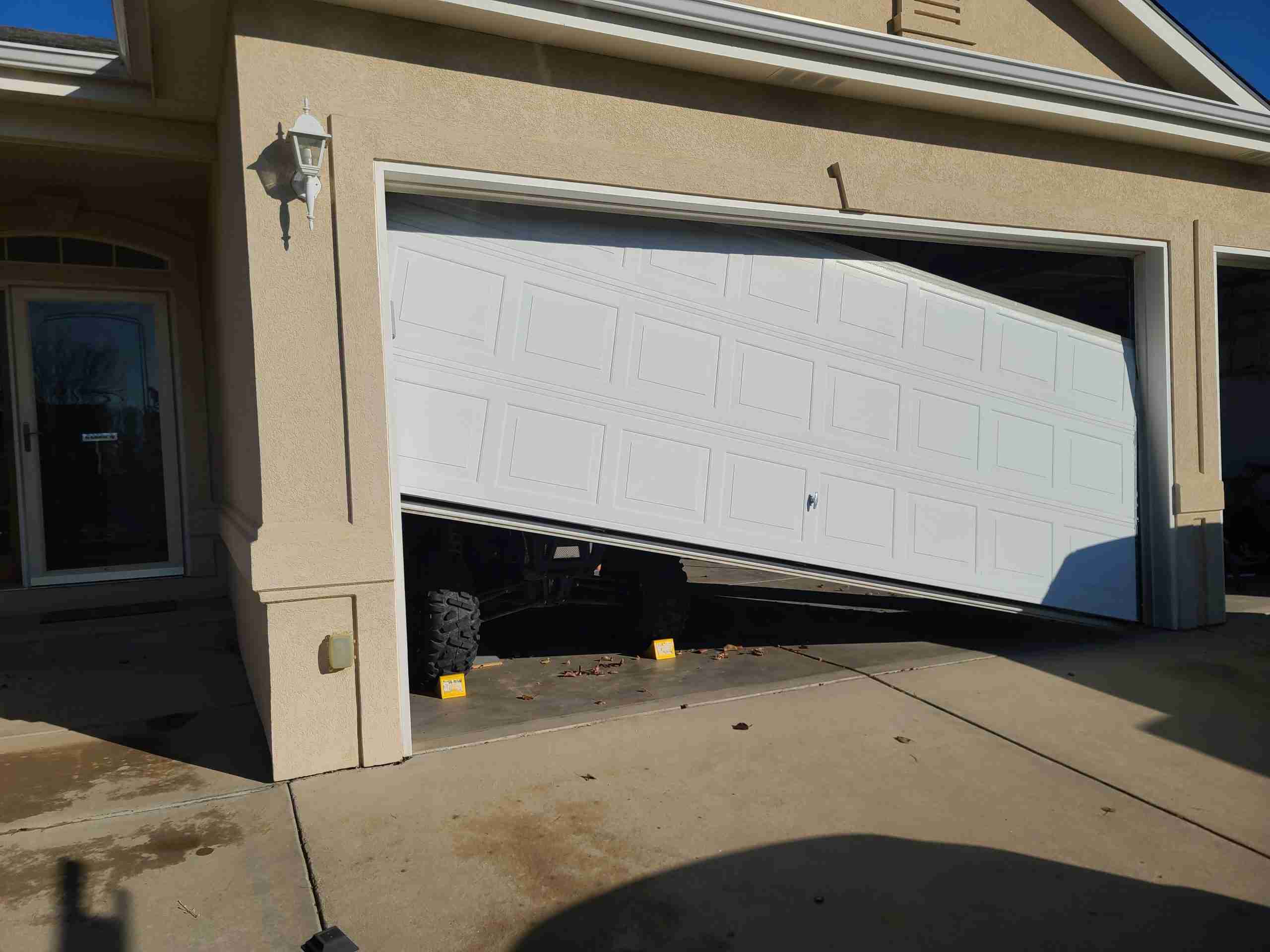
Your garage door makes up a massive part of your home’s exterior look. In fact, on many homes, the garage door takes up to 30% of the front facade. It is often the very first thing people notice when they drive past your house. A great garage door keeps your family safe, helps lower your energy bills, and makes your property look beautiful. A poor choice can lead to constant repairs, wasted heat or air conditioning, and an ugly exterior that hurts your home resale value.
Shopping for a new garage door can feel overwhelming. There are hundreds of combinations of designs, colors, window options, and insulation types available today. This complete guide will walk you through every single step to choose the perfect new garage door. We will break down the most popular styles, materials, costs, and safety features in simple terms so you can make a smart choice for your property.
1. Select the Best Garage Door Style
You want your new door to match the architectural style of your home. If you have a historic house, a modern glass door might look out of place. If you have a sleek, modern house, a rustic country door won’t fit the vibe. Choosing a style that complements your home design boosts your curb appeal instantly.
The three primary styles dominate the market today:
- Traditional Raised-Panel Doors: These are the most common garage doors you see in almost every neighborhood. They feature clean rows of rectangular panels that lift straight up into the ceiling. They work well with almost any home design, from traditional ranch houses to colonial properties. You can customize them with different textures, colors, and small windows along the top panel.
- Carriage House Doors: These doors mimic the look of old country stables and barns. They look like they should swing open from the middle like old barn doors, but they actually roll straight up like a standard modern door. They add a lot of charm, rustic character, and luxury details to craftsman, cottage, or traditional homes. They often feature decorative black iron handles and hinges.
- Modern Contemporary Doors: These models feature clean, simple lines and often use materials like frosted glass, aluminum frames, or smooth flush wood panels. They look incredible on mid-century modern or highly contemporary homes where you want a minimalist style. They allow a lot of natural light into the garage space while maintaining your privacy.
2. Compare Garage Door Materials
The material you choose determines how long your door lasts, how much maintenance it requires, and how much it will cost upfront. Every material has distinct benefits and weak spots that you need to consider before you buy.
Steel
Steel is the most popular material for modern garage doors. It is tough, affordable, and requires very little maintenance. Manufacturers can bake a durable factory paint finish onto the steel that lasts for decades, or they can stamp a realistic wood grain texture into the surface so it looks like real timber from the street. Steel doors are usually built in layers, with insulation sandwiched between steel sheets for extra strength.
The main downside: Steel can dent if it is hit hard by a basketball, a bicycle, or a car bumper. It can also rust over time if the paint chips and you live near salty ocean air or wet environments.
Wood
Real wood offers unmatched natural beauty and a high-end luxury feel. You can stain wood to show off the natural grain patterns or paint it any color you want. Wood is naturally heavy and sturdy, which gives it great strength against strong winds and accidental impacts. Common wood choices include cedar, redwood, cypress, and heavy plywood.
The main downside: Wood requires a lot of upkeep. You must repaint or re-stain wood doors every few years to protect them from moisture rot, splitting, warping, and insect damage. Wood doors are also much heavier and more expensive than steel.
Wood Composite
If you love the classic look of real wood but hate the thought of constant sanding and painting, wood composite is a stellar choice. These doors feature a strong steel core covered by a fiberboard overlay made from recycled wood fibers and tough resins. It gives you the deep texture of a real wood door but resists rot and split damage. It is lighter than real wood and costs less.
Aluminum and Glass
Aluminum doors are lightweight, which means they put less stress on your garage door springs and opener tracks. They do not rust, which makes them perfect for coastal areas or humid environments. Many modern styles use heavy aluminum frames fitted with large panels of clear, frosted, or tinted glass to let a lot of natural light into your garage space.
The main downside: Aluminum is a soft metal, so it dents much easier than steel. Large glass panels can also break if hit by heavy objects, though manufacturers use tempered safety glass to reduce this risk.
3. Understand Garage Door Insulation and R-Value
An insulated garage door is crucial if your garage is attached to your house, or if you use the garage as a workshop, gym, or hobby room. If your garage gets freezing cold in the winter or boiling hot in the summer, that extreme air leaks straight through your interior wall. This forces your home heating and cooling system to work double time, which drives up your electric bills.
When you shop for an insulated door, look closely at the R-value. The R-value measures how well a material resists heat flow. A higher R-value number means the door provides better insulation and traps heat inside your home much more effectively.
There are two primary types of insulation used inside garage doors:
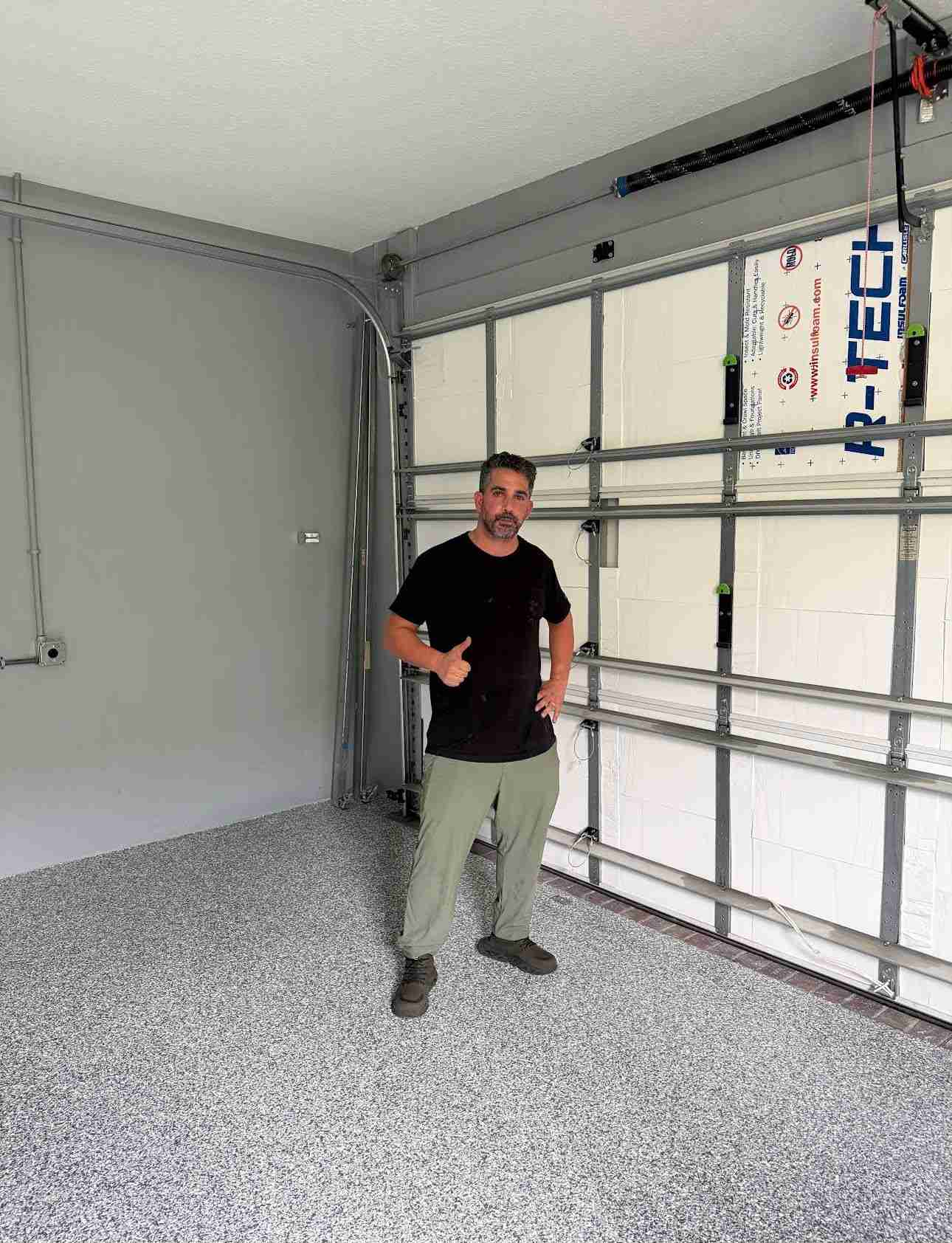
- Polystyrene Insulation: This looks like the stiff, white styrofoam material used in shipping boxes or coolers. Manufacturers insert these rigid foam panels inside the steel layers of the door. It provides decent insulation for a budget-friendly price, but it leaves tiny air gaps between the foam and the steel.
- Polyurethane Insulation: This is a liquid foam that is injected directly between the steel skins of the door. The foam expands to fill every single crack, corner, and tiny space inside the door panel. It bonds directly to the steel, which makes the entire door incredibly strong, rigid, and quiet. Polyurethane provides a much higher R-value than polystyrene in a thinner panel.
4. Factor in Safety, Security, and Weather Prep
A garage door is the largest moving piece of equipment in your home. You need to make sure it includes modern safety features to protect your kids, pets, and vehicles from accidents.
Photo-Eye Safety Sensors
Modern garage doors rely on infrared safety beams located just a few inches above the floor on either side of the door track. If anything breaks this invisible light beam while the door is closing, the door stops instantly and reverses back up to the ceiling. Ensure these sensors stay clean and properly aligned so the door works safely.
Auto-Reverse Mechanism
The garage door opener motor should feature a built-in safety sensor that detects physical resistance. If the bottom edge of the door strikes an object (like a toy or a trash can) before it touches the ground, the motor senses the pressure change and forces the door to open back up immediately. You can test this by placing a 2×4 piece of wood flat on the ground under the door.
Wind Load Ratings
If you live in a coastal region or a storm-prone area that faces high winds and tropical storms, a standard garage door can buckle under extreme wind pressure. A collapsed garage door allows wind to enter the garage, blow off the roof, and destroy the structural walls of your entire home. Look for a wind-load rated door that features internal steel reinforcement beams and heavy-duty tracks to withstand severe storms.
5. Avoid Common Buying Mistakes
Many homeowners make simple mistakes during the buying process that cause long-term headaches. Keep these quick rules in mind as you browse styles:
- Do not reuse old tracks or springs: It is tempting to save a few dollars by keeping your old garage door tracks and springs. However, garage door springs are wound under high tension and wear out over time. A new door has a different weight than your old door, and using old springs can cause the door to crash down or break your opener motor. Always install the brand-new hardware that comes with your door.
- Check your local HOA rules: If you live in a neighborhood with a Homeowners Association, they often have strict rules about what colors, styles, and materials you can use on the exterior of your house. Always get written approval from your HOA board before you purchase a new door.
- Do not skip insulation to save a quick buck: Spending a little extra cash upfront for an insulated door pays off over time through lower electric bills and a much more comfortable garage space.
Quick Comparison Guide
To help you sort through all these choices, use this simple table to compare garage door materials, costs, maintenance levels, and average insulation values.
| Material | Cost Level | Maintenance Needed | Average R-Value | Best Feature |
|---|---|---|---|---|
| Steel | Low to Medium | Very Low | 6 to 19 (With Insulation) | Highly durable and budget-friendly |
| Wood | High | High | 3 to 6 | Unmatched natural beauty |
| Wood Composite | Medium to High | Low | 5 to 10 | Wood look without the rot risk |
| Aluminum & Glass | Medium to High | Low | 1 to 4 | Modern style and rustproof |
| Fiberglass | Medium | Low | 4 to 12 | Lightweight and handles moisture well |
Conclusion
Selecting a new garage door is a major investment in your home’s security, visual appeal, and daily energy efficiency. By balancing style, material durability, and insulation performance, you can easily find a door that perfectly matches your family’s daily lifestyle and budget. Take your time to compare your options, avoid cutting corners on essential safety hardware, and always rely on experienced professionals for the installation.
While a handy homeowner can tackle many small DIY projects around the house, installing a heavy garage door under high spring tension is a specialized job best left to trained professionals. Our team at Ariel Garage Door Services has years of experience helping local homeowners select, install, and maintain the perfect system. We provide high-quality installations, emergency repair services, and expert advice to ensure your door operates safely and smoothly for many years to come.
Ready to upgrade your home’s curb appeal? Contact at Ariel Garage Door Services today to schedule a professional consultation, browse our latest styles, and get an accurate quote for your upcoming home upgrade.
Frequently Asked Questions
What is the best material for a garage door?
The best material depends on your needs and budget. Steel garage doors are the most popular because they are durable, affordable, and require little maintenance. Wood doors offer a premium appearance, while aluminum and glass doors are ideal for modern homes. Composite doors provide the look of wood with less upkeep.
How long does a garage door typically last?
Is an insulated garage door worth the extra cost?
Yes. An insulated garage door helps maintain a more comfortable temperature inside the garage, reduces energy costs, minimizes outside noise, and can improve the overall efficiency of your home, especially if the garage is attached to the house.
How do I know what size garage door I need?
The correct size depends on the dimensions of your garage opening. Most single-car garages use an 8- or 9-foot-wide door, while double-car garages typically require a 16-foot-wide door. A professional measurement ensures the best fit.