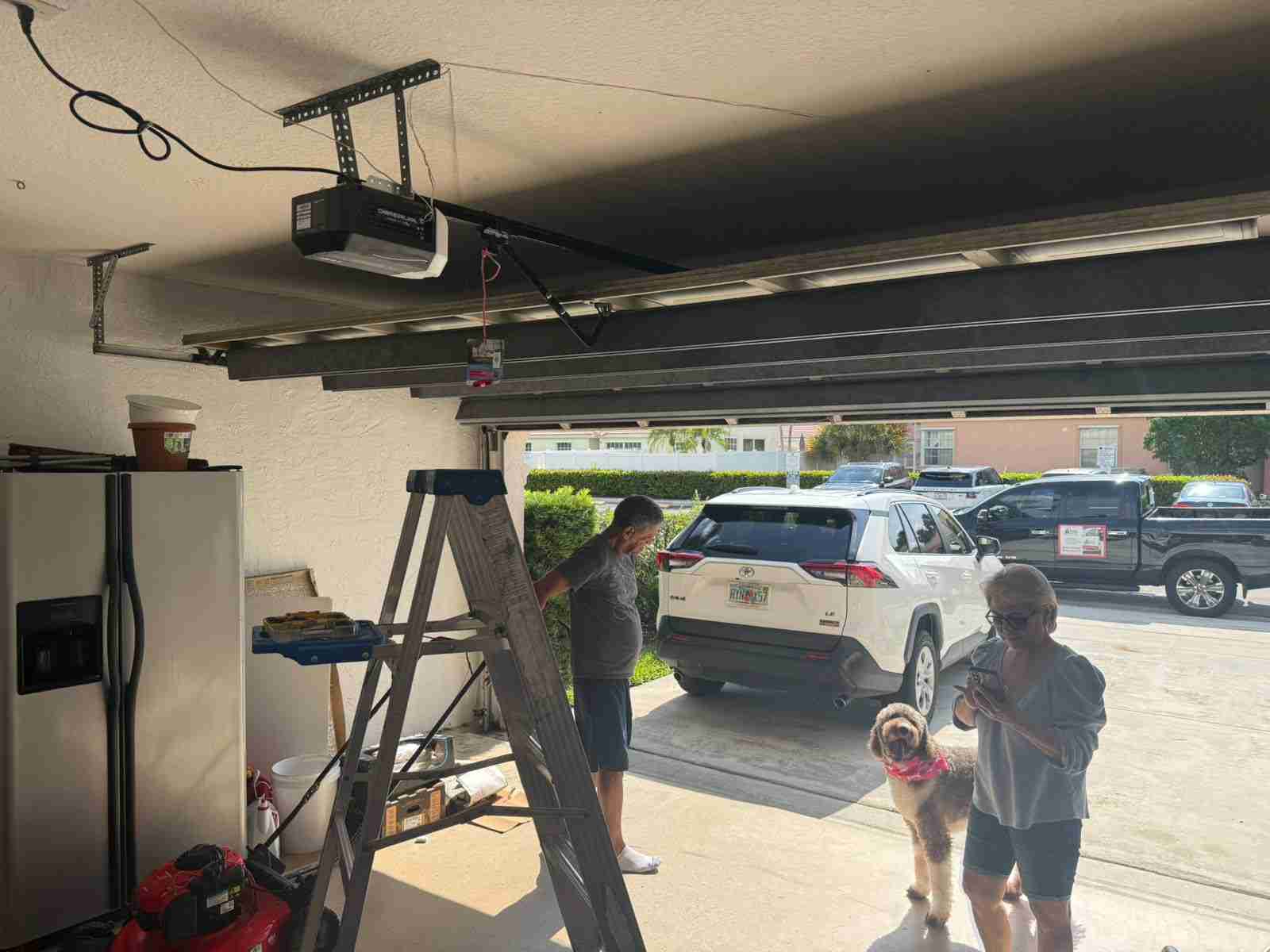
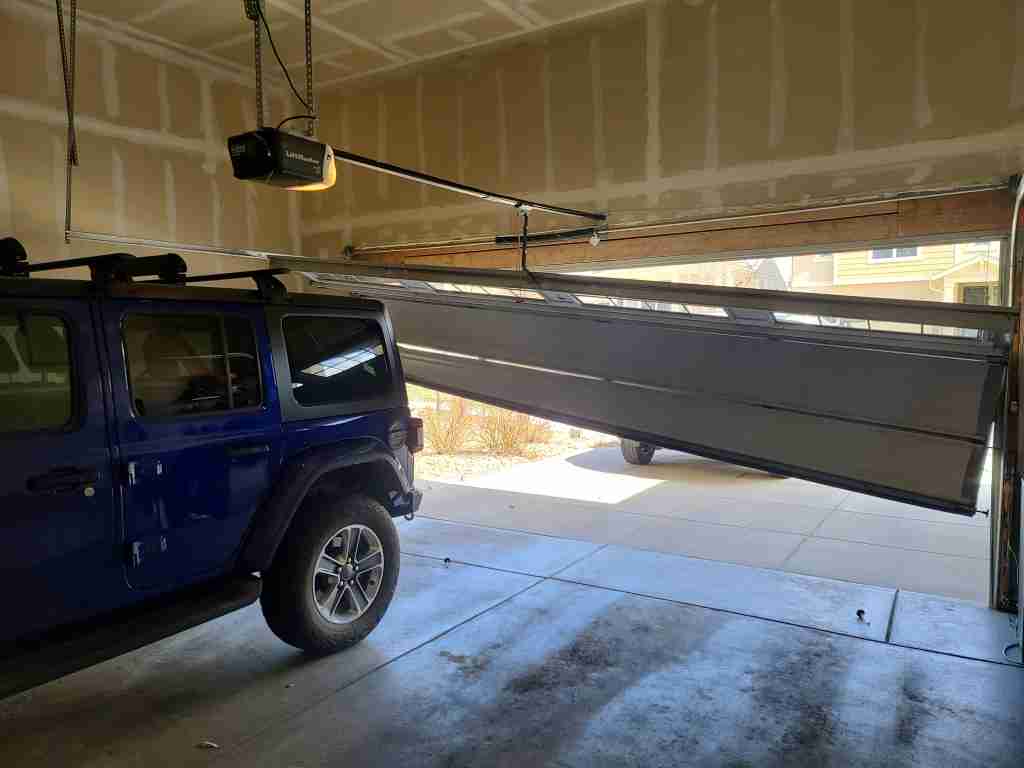
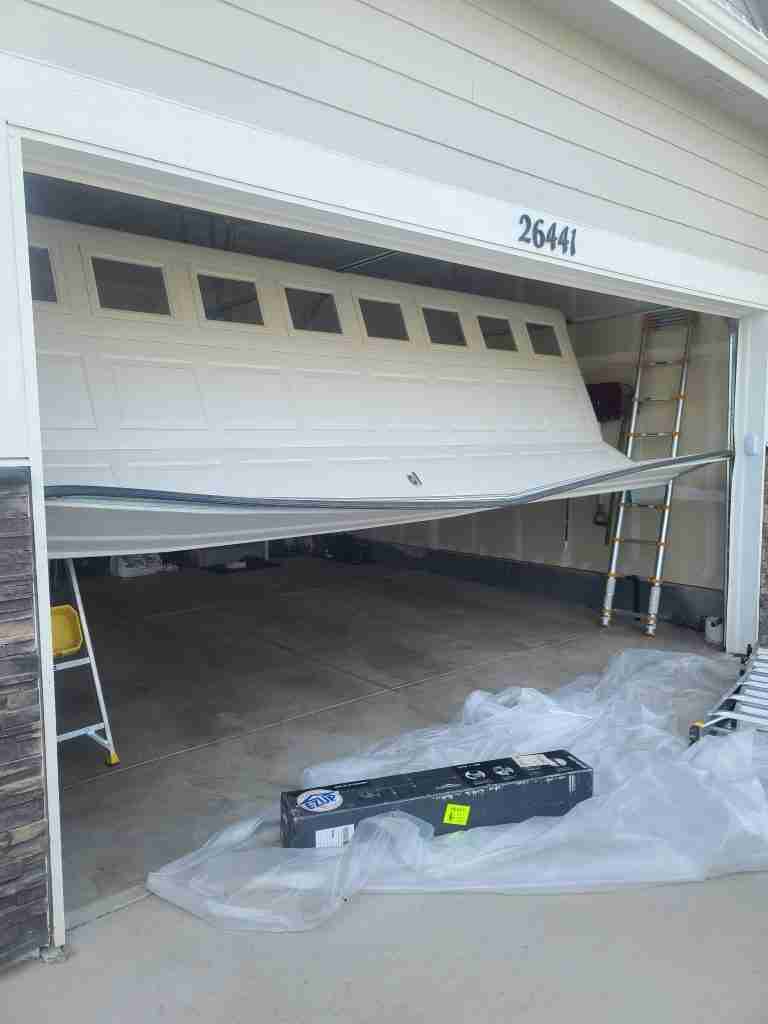
Your garage door opener works harder than most people think. Every time you press the button, the motor pulls the door up or lets it down, and that takes real effort. In the South Florida heat, this small machine can start to struggle. If you have ever noticed your opener acting a little slow, or stopping halfway through a cycle, overheating could be the reason.
This guide walks you through the warning signs of an overheating garage door opener, why it happens, and what you can do to stop it before it turns into a bigger repair. We will also cover when it makes sense to just call someone and get it checked out.
Why Garage Door Openers Overheat
A garage door opener has a motor inside it, and that motor generates heat every time it runs. A little warmth after use is normal. The problem starts when the motor has to work too hard, too often, or in conditions it was not built for.
Heat builds up faster than the opener can release it, and over time this wears down the internal parts. This is more common than people realize, especially with older units or openers used in garages that get direct sun for most of the day. If your garage faces west and heats up by afternoon, your opener is already starting each cycle warmer than it should be.
Common Causes of Overheating
There are a few reasons an opener runs hot, and most of them build up slowly.
- Heavy or frequent use: Opening and closing the door many times in a short window does not give the motor time to cool down.
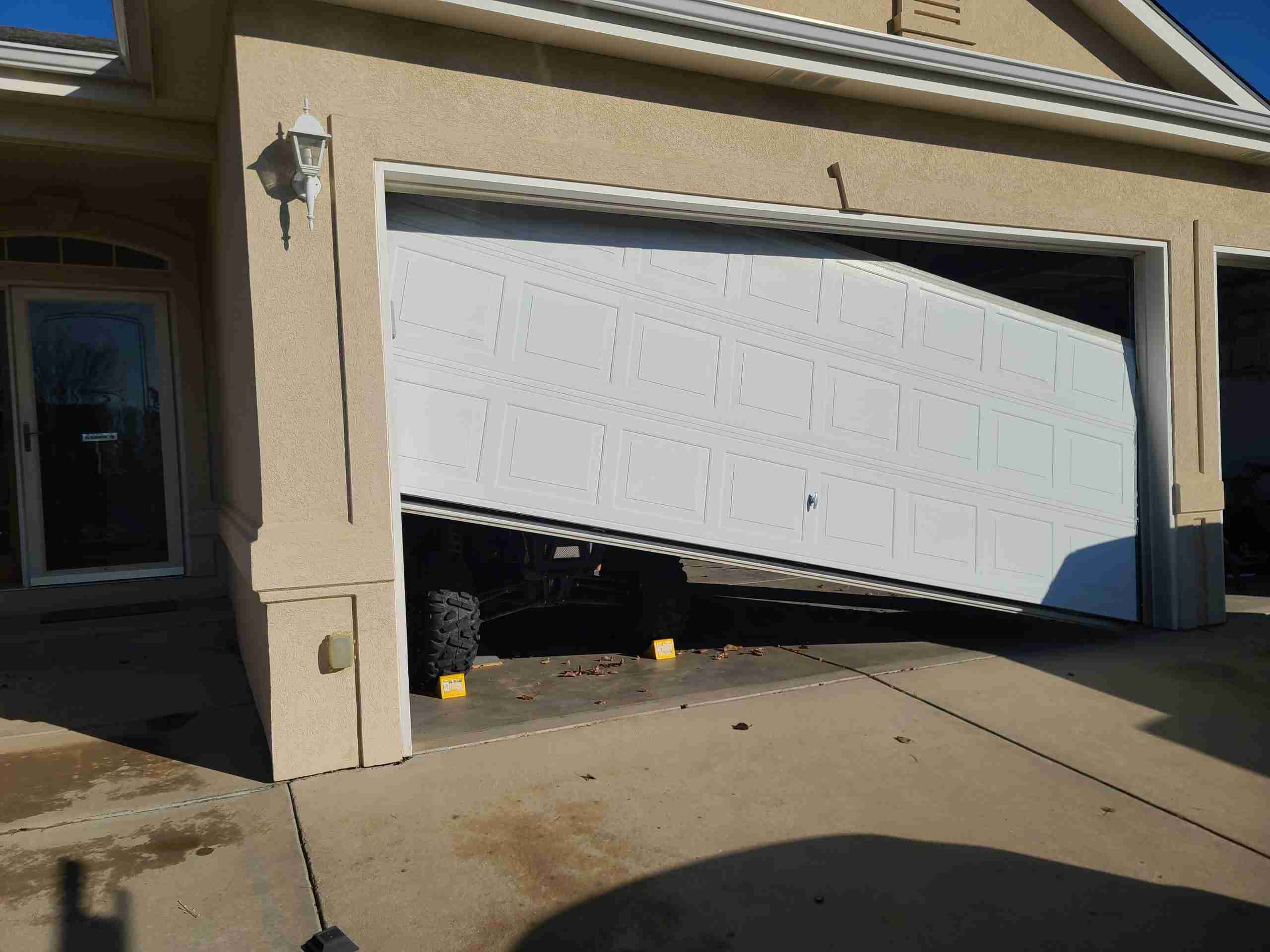
- A door that is out of balance: If the garage door springs are worn or the tension is off, the opener has to pull extra weight every time.
- Dirty or blocked tracks: Dust, grime, or small obstructions make the door harder to move, so the motor strains.
- Old or dried out rollers and hinges: Without lubrication, friction goes up and so does the heat.
- Poor airflow around the unit: Garages that trap heat, especially in summer, do not let the opener cool between uses.
- A motor that is too small for the door: Heavier doors need stronger motors, and an undersized opener will always run hotter than it should.
Signs Your Opener Is Overheating
Catching the signs early can save you from a full opener replacement. Here is what to watch for.
- The door stops mid cycle and will not respond: Many openers have a built in safety shutoff that kicks in when the motor gets too hot. If it starts again after sitting for a bit, heat was likely the cause.
- A burning smell near the unit: This is one of the clearest signs something is wrong and should not be ignored.
- The housing feels hot to the touch: Some warmth is fine, but if it is uncomfortably hot, that is a red flag.
- Grinding or straining noises during operation: This usually means the motor is working harder than it should.
- Slower than normal movement: If the door used to move at a steady pace and now drags, the motor may be overworked.
- The opener runs, then shuts off, then runs again in short bursts: This on-off pattern is a classic overheating symptom.
How to Prevent Overheating
Most causes of overheating can be fixed with a bit of regular care. Keep the tracks clean and free of dirt or small debris, since a clear path means less resistance for the motor. Lubricate the rollers, hinges, and tracks every few months with a silicone based lubricant, not household oil, since oil attracts dust.
Check that the door is balanced by disconnecting the opener and lifting the door by hand. It should stay in place on its own. If it falls or shoots up, the garage door cables or springs need attention. Avoid running the door repeatedly in a short span, and let it sit open for a few minutes after heavy use so the heat can escape. If your garage traps heat, a small vent or fan near the unit helps too.
Here is a quick reference table for the most common prevention steps and how often to do them.
| Prevention Step | How Often | Why It Helps |
|---|---|---|
| Clean tracks and rails | Every 1 to 2 months | Reduces resistance on the motor |
| Lubricate moving parts | Every 3 to 4 months | Cuts down friction and heat |
| Check door balance | Every 6 months | Prevents the motor from lifting extra weight |
| Inspect springs and cables | Every 6 months | Worn parts force the motor to work harder |
| Limit rapid repeat use | Ongoing habit | Gives the motor time to cool between cycles |
| Improve garage ventilation | Once, then monitor | Helps heat escape instead of building up |
Choosing the Right Opener for Florida Heat
Not every opener is built the same, and this matters more in a place like South Florida where garages can get hot fast. A motor that is undersized for your door will run harder just to keep up, and that extra strain shows up as heat.
If you are due for a replacement, it is worth thinking about horsepower and duty cycle rather than just going with the cheapest option. A heavier or larger door usually needs a stronger motor, and openers rated for continuous or frequent use tend to handle heat better than basic models. This is also a good time to think about weather impacts on the whole system, since heat and humidity affect more than just the opener. Ask a technician which drive type suits your setup best, since chain, belt, and screw drive openers all handle heavy Florida use a little differently.
When to Call a Professional
Some overheating problems are simple fixes you can handle yourself, like cleaning tracks or applying lubricant. Others point to something deeper, like a motor nearing the end of its life or wiring that needs a closer look.
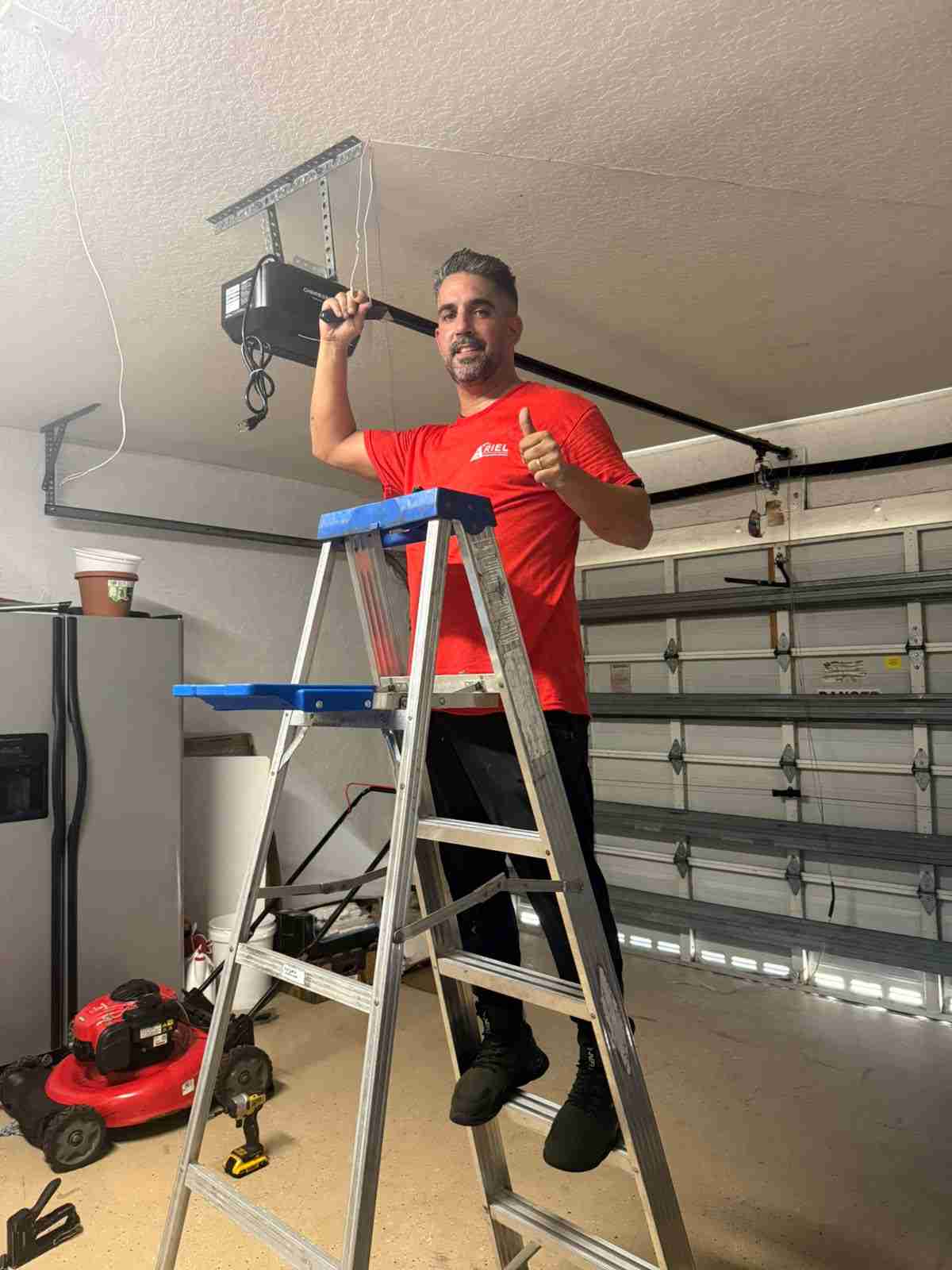
If your opener keeps shutting off despite regular maintenance, or if you notice a burning smell more than once, it is time to bring in someone who can properly inspect the garage door opener and tell you whether it needs a repair or a full replacement. Trying to push through repeated overheating usually ends up costing more in the long run, since the motor and its internal components take on damage each time it happens.
Keeping Your Garage Door Running Cool and Steady
An overheating opener is usually trying to tell you something before it fails completely. The signs are not always dramatic. Sometimes it is just a bit of extra noise, or a door that feels a touch slower than it used to. Paying attention to these small changes, and keeping up with basic maintenance, goes a long way toward avoiding a breakdown at the worst possible time.
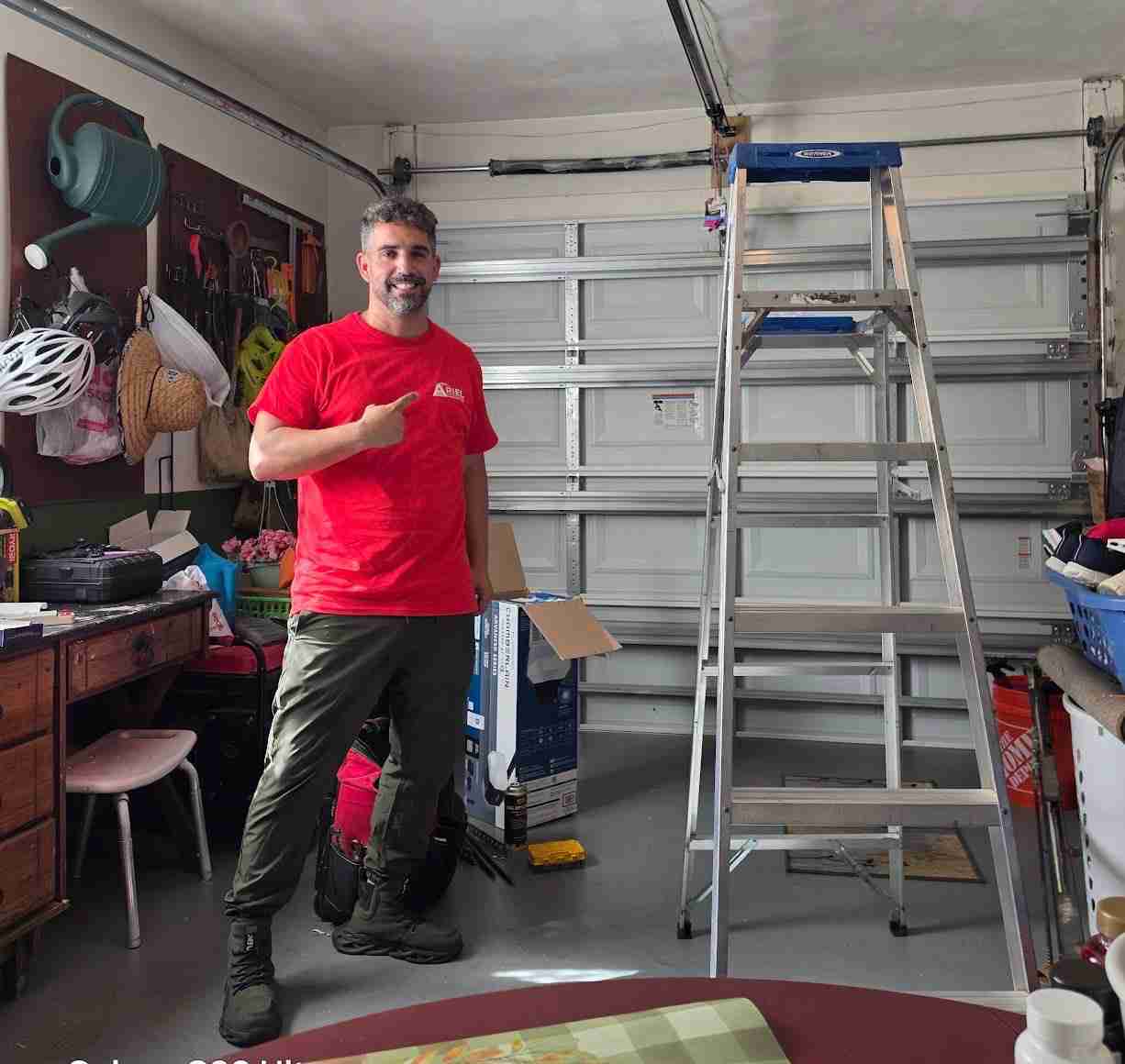
If your opener has been acting up, or you just want it looked at before summer really sets in, reach out to us at Ariel Garage Doors and we will take a look.