Power outages happen more than most homeowners in South Florida would like. A storm rolls through, you hit the remote, and the garage door won’t open no matter how many times you try. If your car is stuck inside, or you are stuck outside, there is no need to panic. Every garage door opener made in the last few decades comes with a manual release built in for exactly this problem.
Below are the steps to open a garage door manually when the power is out, what to check first, and when to stop and call a professional instead. There is also a section on the emergency key release for doors without inside access, plus a few safety points that get skipped too often.
Why Garage Doors Stop Working During a Power Outage
A garage door opener runs on electricity. When the power cuts out, the motor has nothing to pull the door open or closed. A power outage does not break your garage door itself. It only cuts power to the motor and the remote, so the automatic part stops responding while the door still moves fine by hand.
Most homeowners do not think about this until it happens to them, usually during a hurricane or a bad summer storm. That is the exact moment you need your car, or you need to get inside quickly. Knowing the manual release process ahead of time means one less thing to figure out when the power actually goes out.
Quick Fact: Garage door openers have included a manual disengage system since the 1980s. It is a required safety feature on nearly every residential opener sold today.
What You Need Before You Start
Before you touch anything, take a minute to check a few things. This step gets skipped a lot, and it is the main reason people hurt themselves or damage their door trying to open it by hand.
- A flashlight or phone light, since the garage is likely dark too
- A step stool if your release cord hangs high
- A clear path with no boxes, bikes, or clutter under the door
- Nobody standing or walking underneath the door while you work
How to Open a Garage Door Manually From Inside the Garage
If you are inside the garage with your car and the power goes out, here is what to do. This process works on nearly every residential opener, whether you have a chain drive, belt drive, or screw drive system.
- Make sure the door is fully closed: This step matters more than people realize. Releasing the opener while the door is halfway open can cause it to drop suddenly if a spring is weak or damaged.
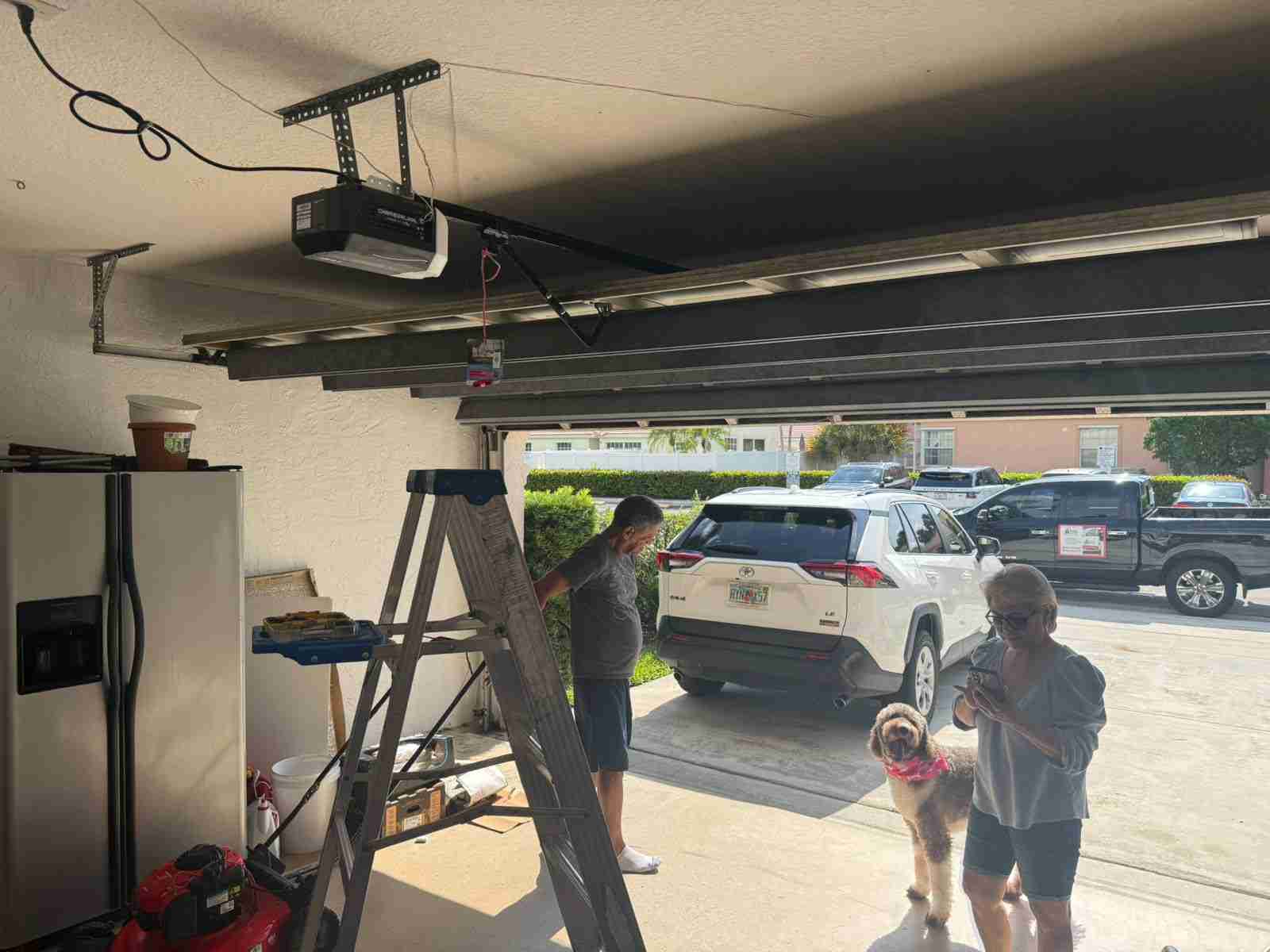
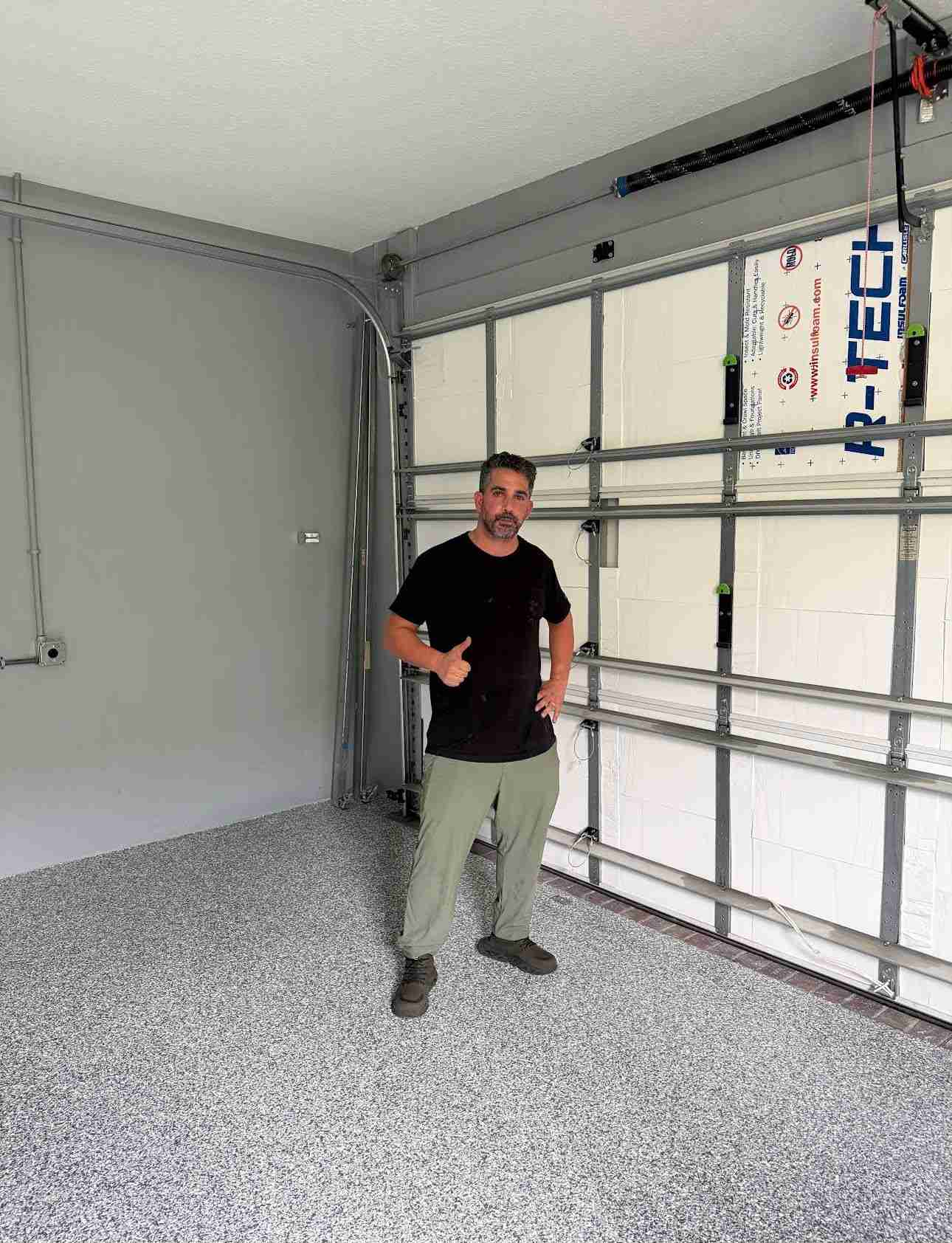
- Find the emergency release cord: It is usually a red rope or handle hanging from a track near the top of the door, close to the motor unit.
- Pull the cord down and toward the motor: You should hear or feel a click. This disconnects the door from the opener carriage.
- Lift the door by hand, using both hands under the bottom panel: A properly balanced door should lift with fairly light effort and stay in place once open.
- Drive your car out, then lower the door by hand: Guide it down gently instead of letting it drop.
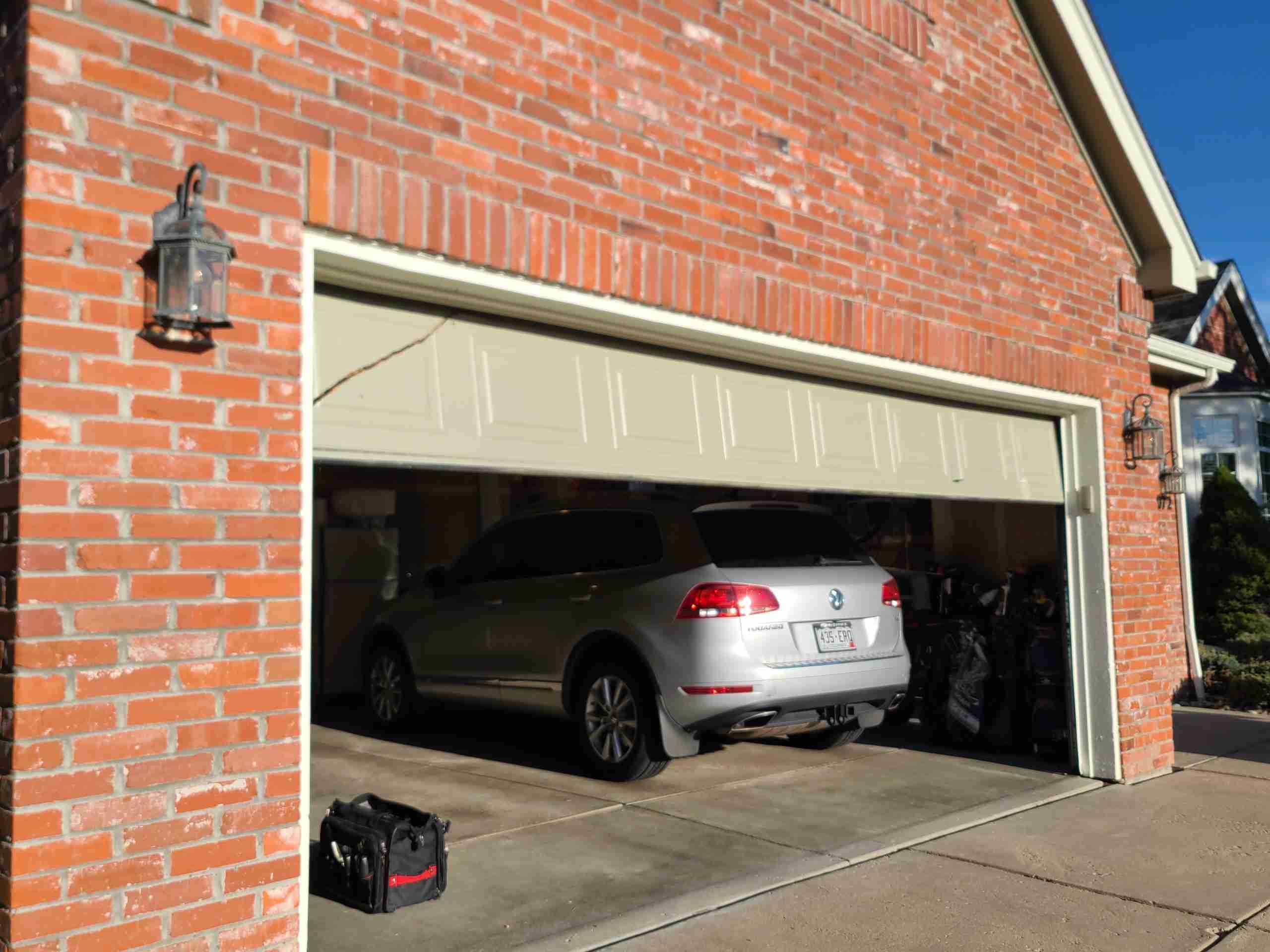
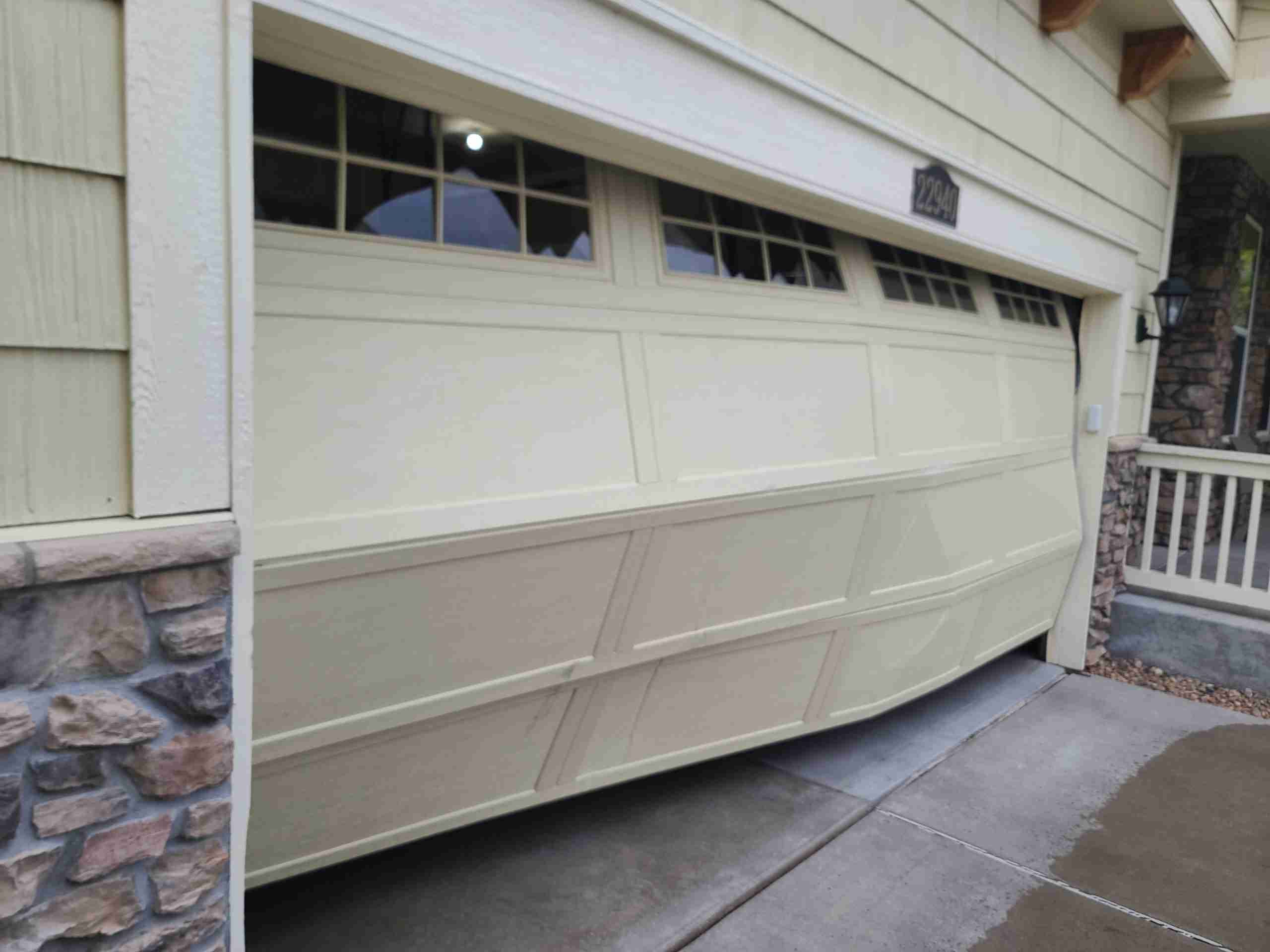
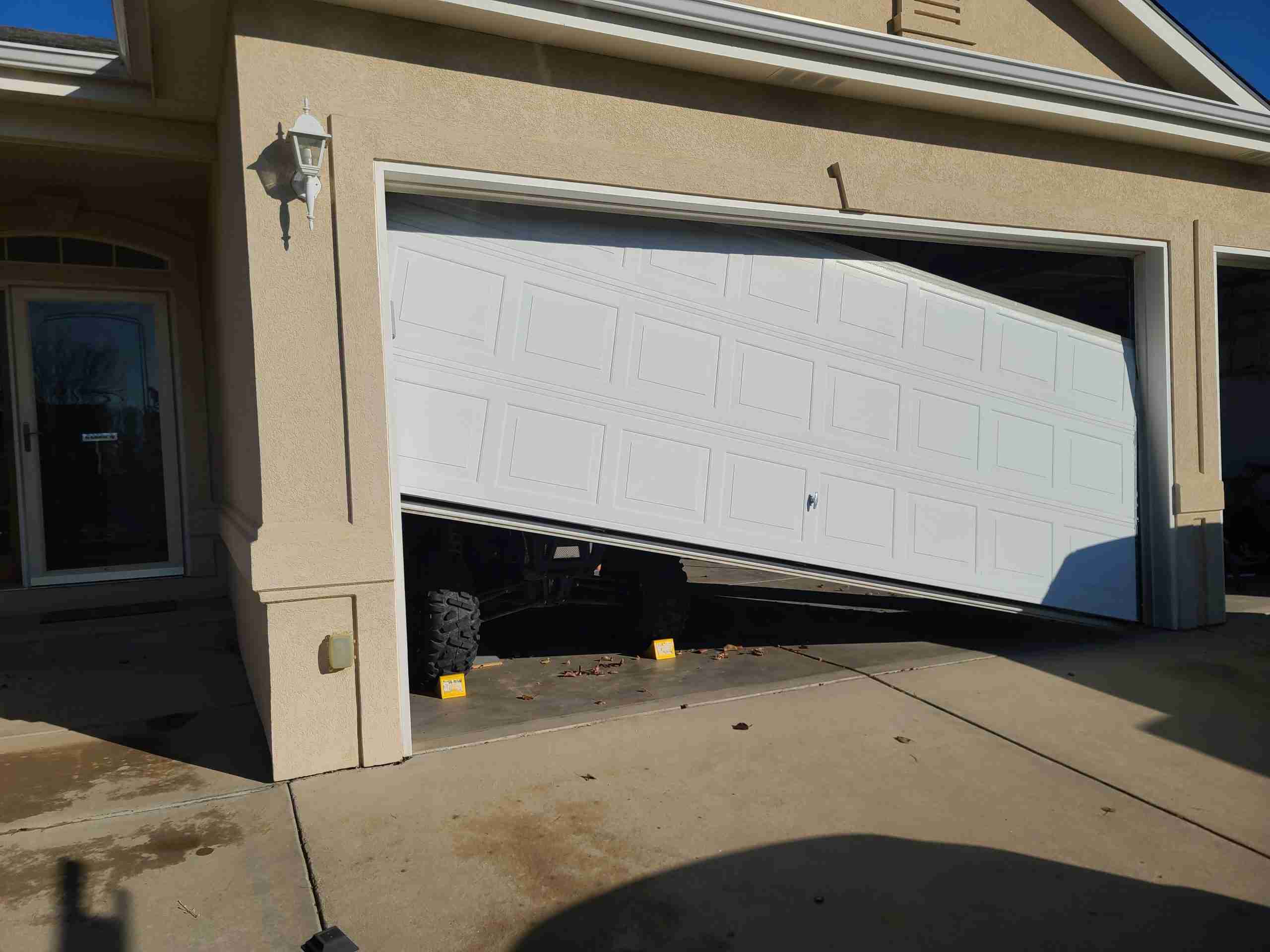
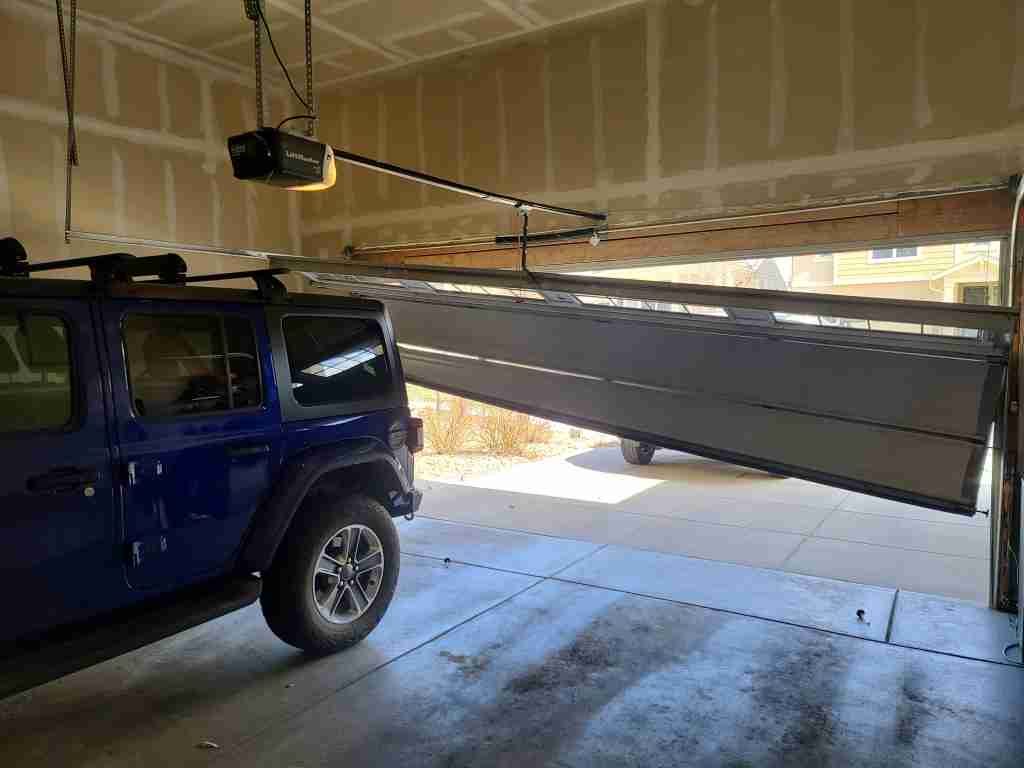
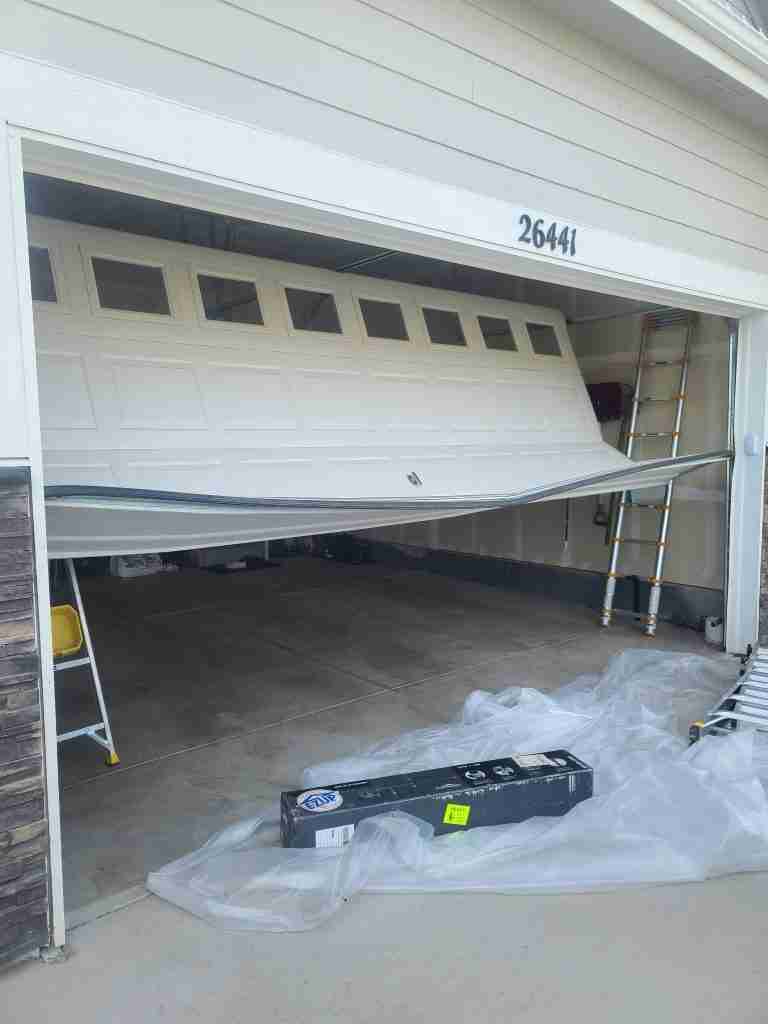
If the door feels unusually heavy or will not lift more than a foot or two, stop right away. That is often a sign of a broken spring, which is one of the more common reasons homeowners need professional garage door service. It is safer to leave the door alone than to keep pulling on one that will not move.
Opening the Door From Outside With an Emergency Key Release
Some garages have a second problem during an outage: a garage door stuck shut with no way in from outside. If your opener has an exterior emergency key release, usually a small lock near the top of the door, this solves that problem.
Insert the key, turn it, and pull the attached cord or lever. This disconnects the trolley the same way the inside cord does, letting you lift the door by hand from outside. Not every garage has this feature installed, especially older setups, so it is worth checking now rather than during the next storm. Technicians can add an exterior key release to most openers, and it often comes up as part of a routine garage door opener repair.
Manual Release Cord vs Exterior Key Release
| Feature | Manual Release Cord | Exterior Emergency Key |
|---|---|---|
| Location | Inside the garage, hangs from the trolley rail | Outside the garage, near the top of the door |
| Used when | You are inside with your car during an outage | You are locked outside with no other entry |
| Comes standard | Yes, on nearly all residential openers | No, often needs to be added separately |
| Difficulty | Easy, one pull | Easy, needs the correct key |
Don't Force a Stuck Door: If the door will not lift after the release is pulled, or it drops on its own, stop immediately. This points to a spring or cable issue, not a power problem, and pushing through it can cause injury or damage the track.
Reconnecting the Opener Once Power Is Back
Once your power comes back, you cannot just walk away and expect the opener to work again. The release needs to be reconnected, or your remote and wall button will not respond.
Close the door fully by hand first. Then pull the release cord toward the door, in the opposite direction from before, until you hear it lock back into place. After that, press your wall button or remote to run the opener through one full open and close cycle. This lets the trolley reconnect with the carriage properly. If the door does not respond or makes grinding sounds during this cycle, that is worth looking into, since it often points to a track or roller issue rather than the release itself.
Some homeowners install a battery backup garage door opener so this whole process is not needed in the first place. These units kick in automatically when the power drops and keep the door running on remote and keypad for a limited number of cycles. Many newer openers include this as a standard feature, which is one detail that comes up during a garage door installation or opener swap.
Garage Door Safety Tips During a Power Outage
- Never place hands or fingers near the track or rollers while manually lifting
- Keep children and pets away from the door path during the whole process
- Do not attempt manual release on a door with visible spring or cable damage
- If your door slams down or feels off balance, stop and call a technician
- Check the tracks and hinges for storm debris before running the opener again, a step that is also part of basic hurricane season prep for the door
South Florida sees a lot of storms, and garage doors take a beating during hurricane season. A door that struggles with manual release right after a storm often has a bent track, a loose panel, or spring wear that was already building up before the outage even happened.
Warning Sign: A door that drops on its own, feels unbalanced, or grinds during manual release is not a power problem anymore. That points to worn hardware that needs a proper inspection.
When a Power Outage Reveals a Bigger Problem
A power outage sometimes points to a bigger issue with the door itself. If the manual release feels stiff, if the door drops instead of staying open, or if it grinds while moving, the power was not really the problem. These are signs of worn springs, damaged rollers, or a door that is out of balance.
It is worth having a technician check the door’s balance and hardware even after the power comes back and everything seems to work fine. Catching a weak spring or a worn cable early is a lot cheaper and safer than dealing with it during the next outage, especially if that outage happens again during storm season when you need the door most.
Don't Get Stuck Next Time
A power outage should never leave you locked out of your own garage. Knowing where your manual release is, and how to use it safely, means one less problem to deal with, whether you are driving home in a storm or just dealing with a tripped breaker.
Need Your Garage Door Checked?
Call Ariel Garage Door Services at (561) 677-2840 for a fast, same-day inspection across Broward, Miami-Dade, and Palm Beach County. Our licensed techs check springs, tracks, cables, and openers so your door still opens safely the next time a storm knocks the power out.