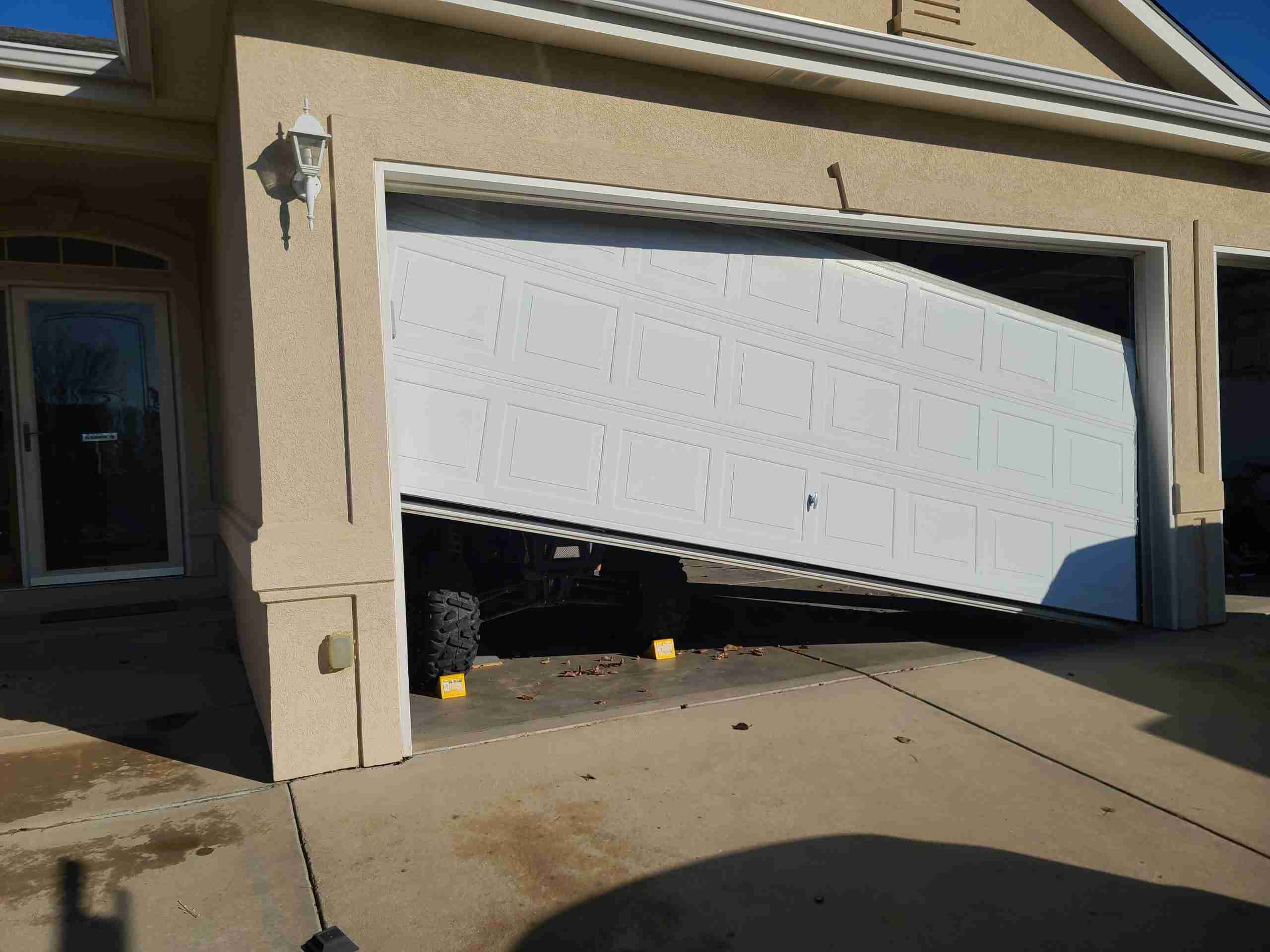
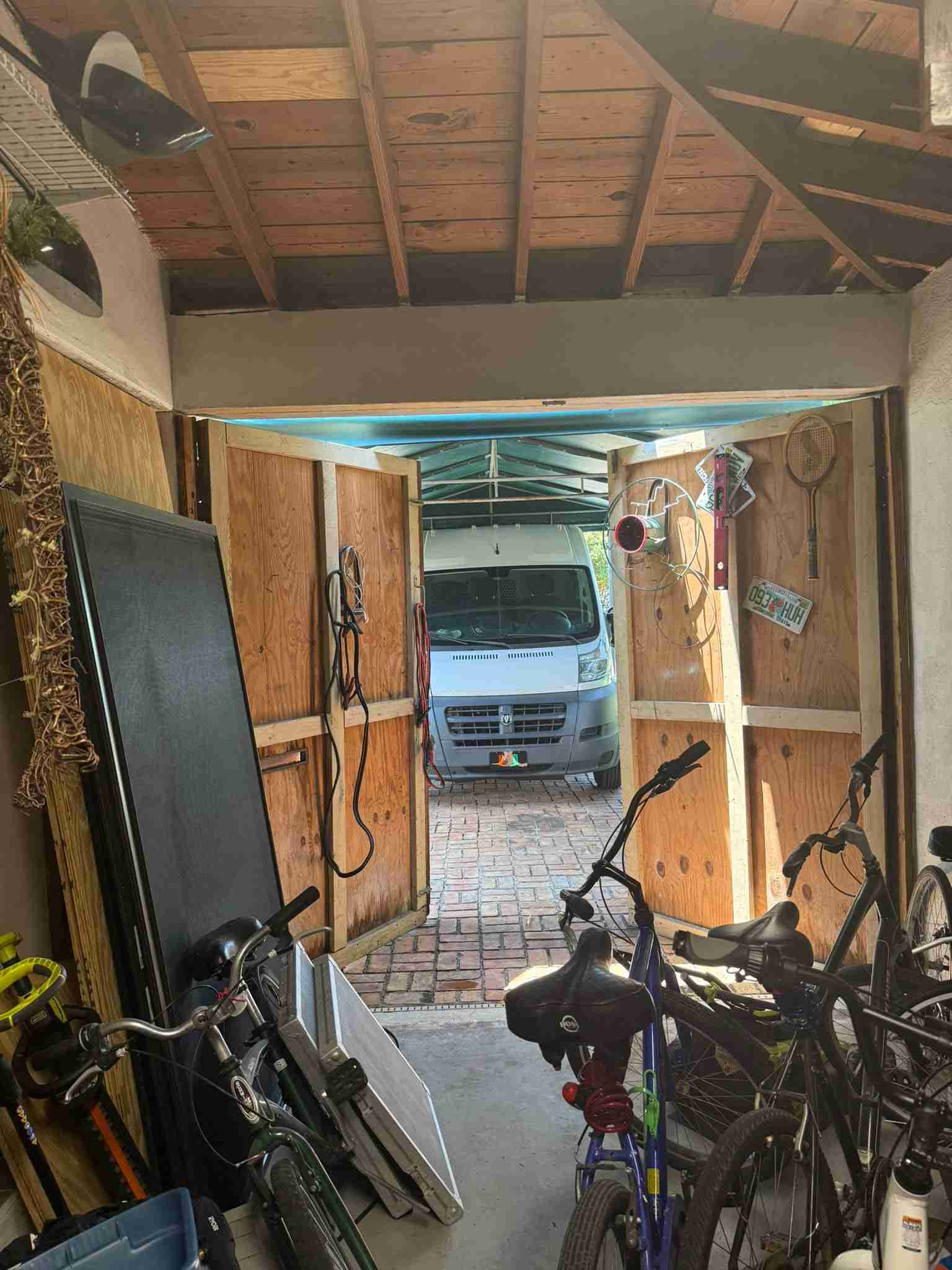
South Florida homeowners deal with hurricane season every year, from June through November. Most people spend that stretch thinking about windows, roofs, and shutters. The garage door usually gets overlooked, even though it covers one of the largest openings on the house and is often the first part to fail once wind pressure builds up against it.
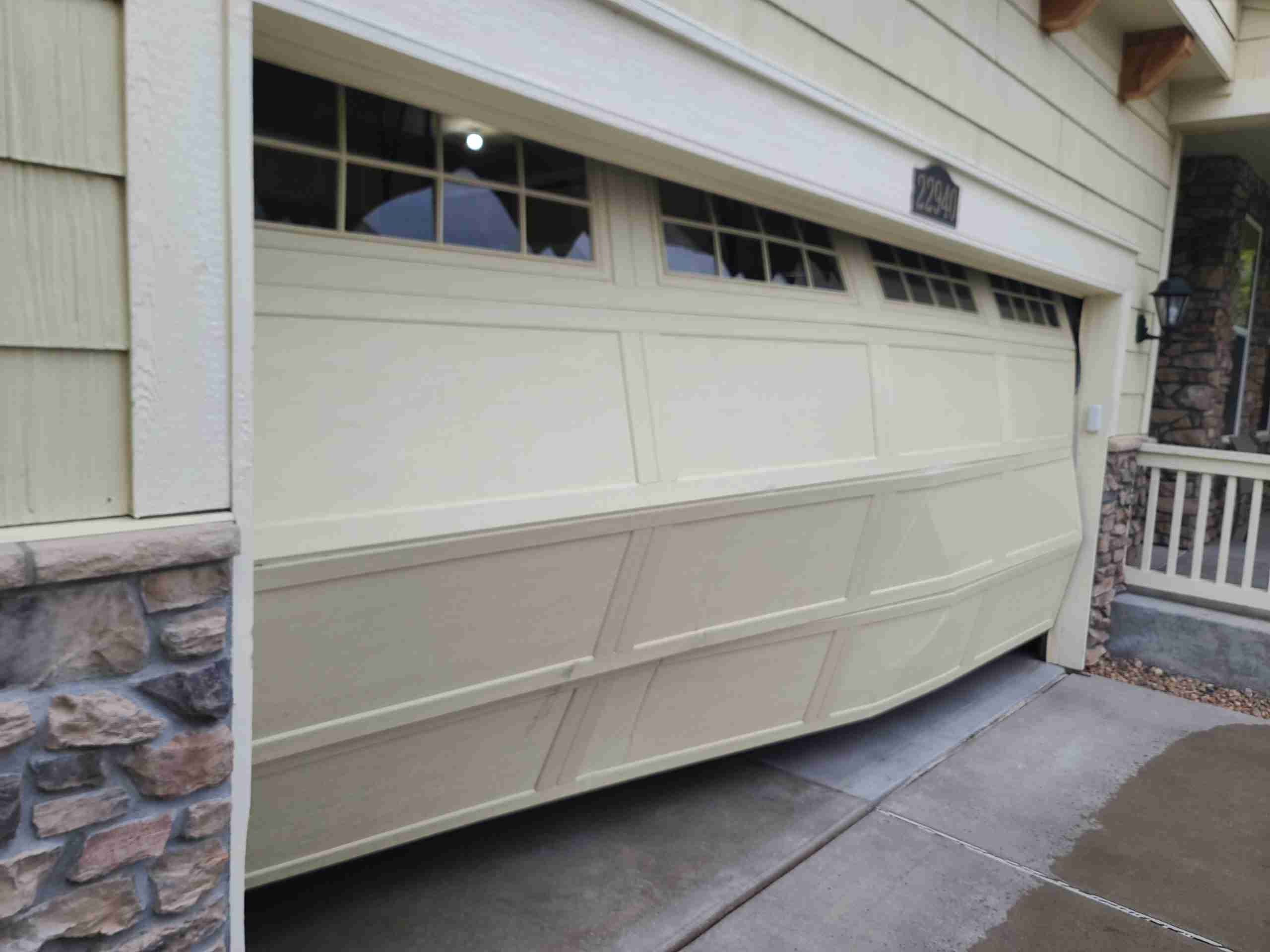
When a garage door bends or blows in, wind rushes into the garage and pushes up against the roof from underneath. This is one of the most common ways homes lose their roofs during a hurricane. Preparing the garage door before the season starts is one of the most effective ways to protect the rest of the house.
Why the Garage Door Takes the Brunt of the Wind
A lot of homeowners spend money on hurricane windows and impact shutters, then skip the garage door entirely. Standard garage doors are built for daily use, and a wide door can flex under sustained wind loads over 100 miles per hour. That flexing is usually what leads to failure once a real storm hits.
Miami-Dade and Broward counties fall inside Florida’s High Velocity Hurricane Zone, which requires every garage door to carry a large missile impact rating. Palm Beach County and other nearby coastal areas require similar wind-borne debris protection closer to the water. These codes apply to new installations, so an older door may never have been tested against today’s standards at all. Checking your door’s rating, or scheduling a garage door installation and replacement if it doesn’t have one, tells you exactly where you stand before storm season arrives.
Tip: Look for a small sticker or label near the bottom corner of the door panel. It usually lists the wind load rating and the testing standard the door was built to meet. No sticker often means no rating.
Signs Your Garage Door Needs Attention
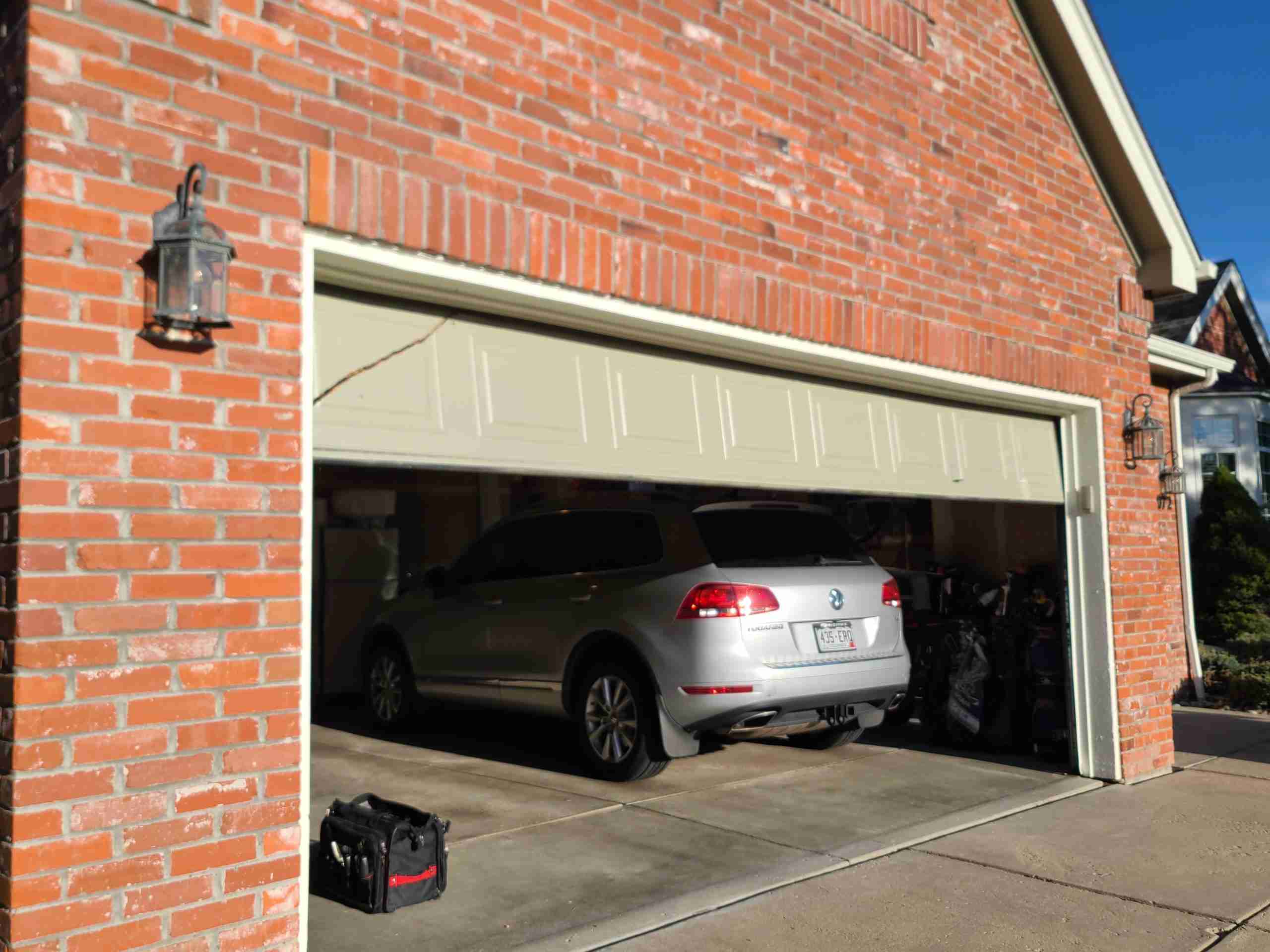
Walk out to the garage and take a real look at the door before the season gets going. A few things tell you it needs work.
- Panels that look bent, warped, or dented
- Rust spots along the bottom panel or tracks
- A door that shakes or rattles a lot when it opens and closes
- Weatherstripping around the edges that is cracked, torn, or missing
- Tracks that are loose, bent, or pulling away from the wall
- No visible wind load rating sticker or label on the door
Any of these are worth a technician’s second opinion. A door that already struggles with everyday use will not hold up once real storm pressure hits it.
Ways to Reinforce a Garage Door for Storm Season
Homeowners take a few different paths to storm-proof a garage door. The right one depends on the door’s age and how it’s holding up right now.
| Option | What It Does | Typical Cost Range | Best For |
|---|---|---|---|
| Horizontal brace kit | Adds steel bars across the inside of the door to resist wind pressure | Lower cost | A newer door that's still in good shape |
| Vertical track reinforcement | Strengthens the tracks so the door stays in place under pressure | Moderate cost | Doors with loose or aging tracks |
| Impact-rated garage door replacement | Full door built to meet Florida's wind load and impact codes | Higher cost | Older doors, or homes closer to the coast |
| Garage door opener battery backup | Keeps the opener working during power outages | Lower cost | Anyone who wants to open or close the door without power |
A brace kit works well when the door itself is in solid shape. If the door is old, dented, or has no wind rating at all, bracing only goes so far. A full garage door installation and replacement with an impact-rated model deals with the actual problem, rather than covering it up.
Tip: Ask your installer for the door's Design Pressure (DP) rating, not just "hurricane rated." The DP number tells you the exact wind load the door is engineered to handle at your address.
Pre-Storm Garage Door Checklist
Work through this list a few weeks before the season ramps up, while there’s still time to order parts or schedule repairs.
- Check every panel, hinge, and roller for damage or rust.
- Test the door’s balance by disconnecting the opener and lifting it by hand. It should move smoothly and stay in place halfway up.
- Tighten any loose bolts, brackets, or track hardware.
- Lubricate rollers, hinges, and tracks so nothing sticks under pressure.
- Inspect the weatherstripping around all four sides and replace it if it is cracked or gapping.
- Check that the springs are in good shape. A worn spring can snap under storm stress and leave the door stuck in place, so a garage door spring repair now saves a much harder fix later.
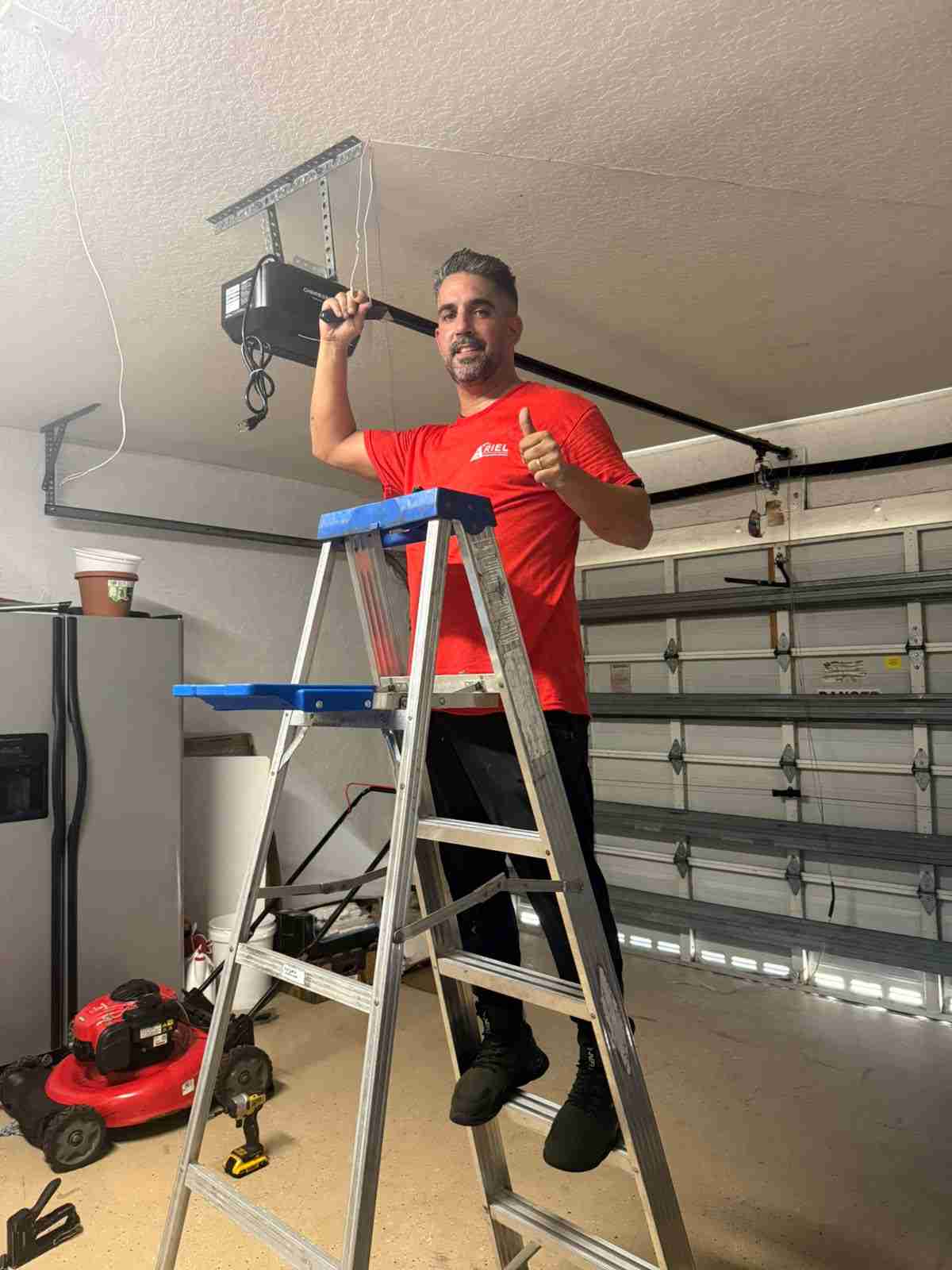
- Confirm the garage door opener has a working battery backup, so a power outage during the storm doesn’t leave the door stuck.
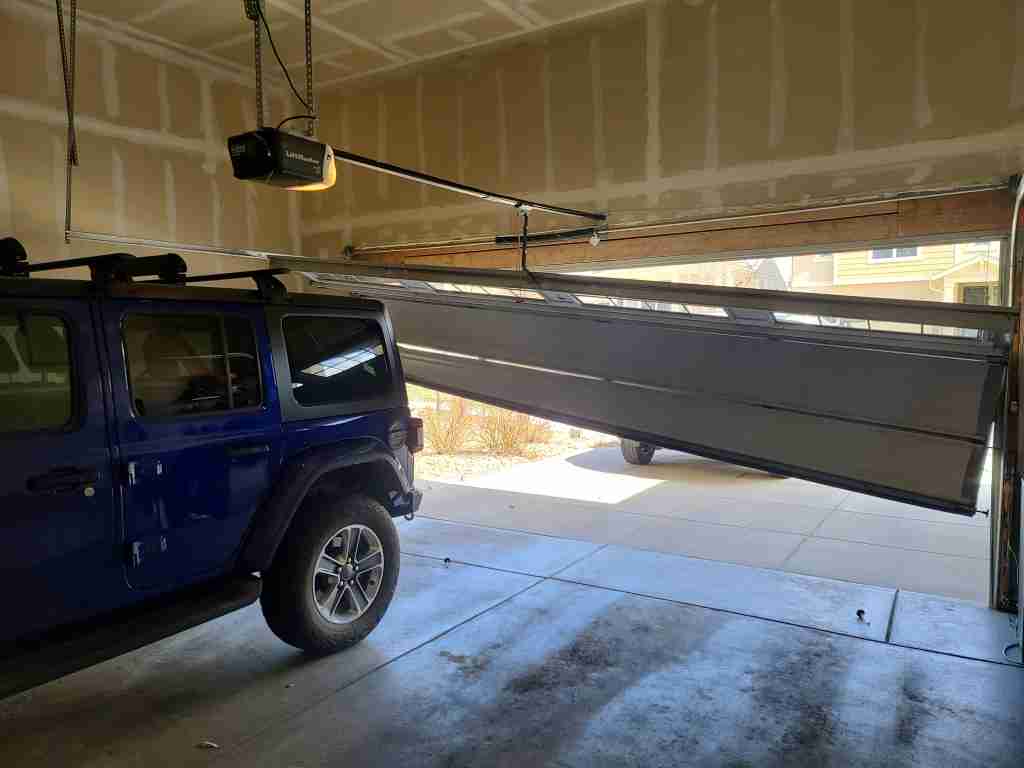
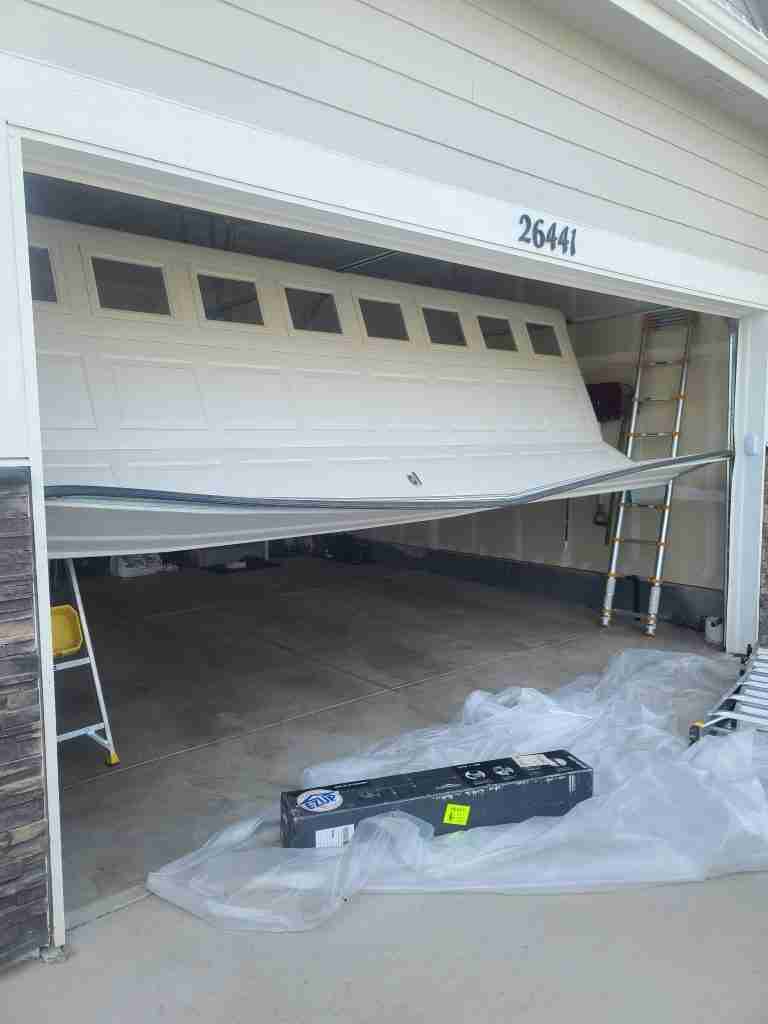
- If the door has ever jumped its track before, get it inspected now. A garage door off track repair is far easier to schedule in July than during an active storm warning.
What to Do Once a Storm Warning Goes Up
Once a hurricane watch or warning is posted for your area, the focus shifts from long-term prep to last-minute action.
- Close and lock the garage door completely.
- Add temporary bracing if you have a kit and haven’t installed it yet.
- Clear the area around the garage of loose items like bikes, tools, or patio furniture that could become projectiles.
- Unplug the garage door opener if you’re told to shut off power, or make sure the battery backup is charged.
- Avoid opening the garage door once winds start picking up, even briefly.
- Keep an emergency release cord handy in case you need to open the door by hand after the storm.
Checking the Door After the Storm
Once conditions are safe, don’t rush straight into using the garage door like normal. Storms put stress on doors even when there’s no visible damage, and a door that looks fine can still have a bent track or a strained spring underneath.
Walk around the outside of the door first and check for dents, water intrusion, or debris caught in the tracks. Try opening it by hand before using the automatic opener, since a door under pressure can jump off its track and cause more damage if it’s forced with a motor. If anything feels off, whether that’s unusual noise, uneven movement, or a door that won’t fully close, get it checked before relying on it again.
Tip: If the door came off its track during the storm, don't try to force it back into place with the opener. Disconnect the opener first, move the door by hand if it's safe to do so, and call a technician before running the motor again.
Before the Next Storm Reaches Broward, Miami-Dade, or Palm Beach
Hurricane season comes back every year, and the garage door is one of the easiest parts of the house to forget until a storm is already on the way. Checking springs, tightening tracks, adding a brace kit, or upgrading to a wind-rated door are all things that take an afternoon now and prevent a much bigger repair bill later.
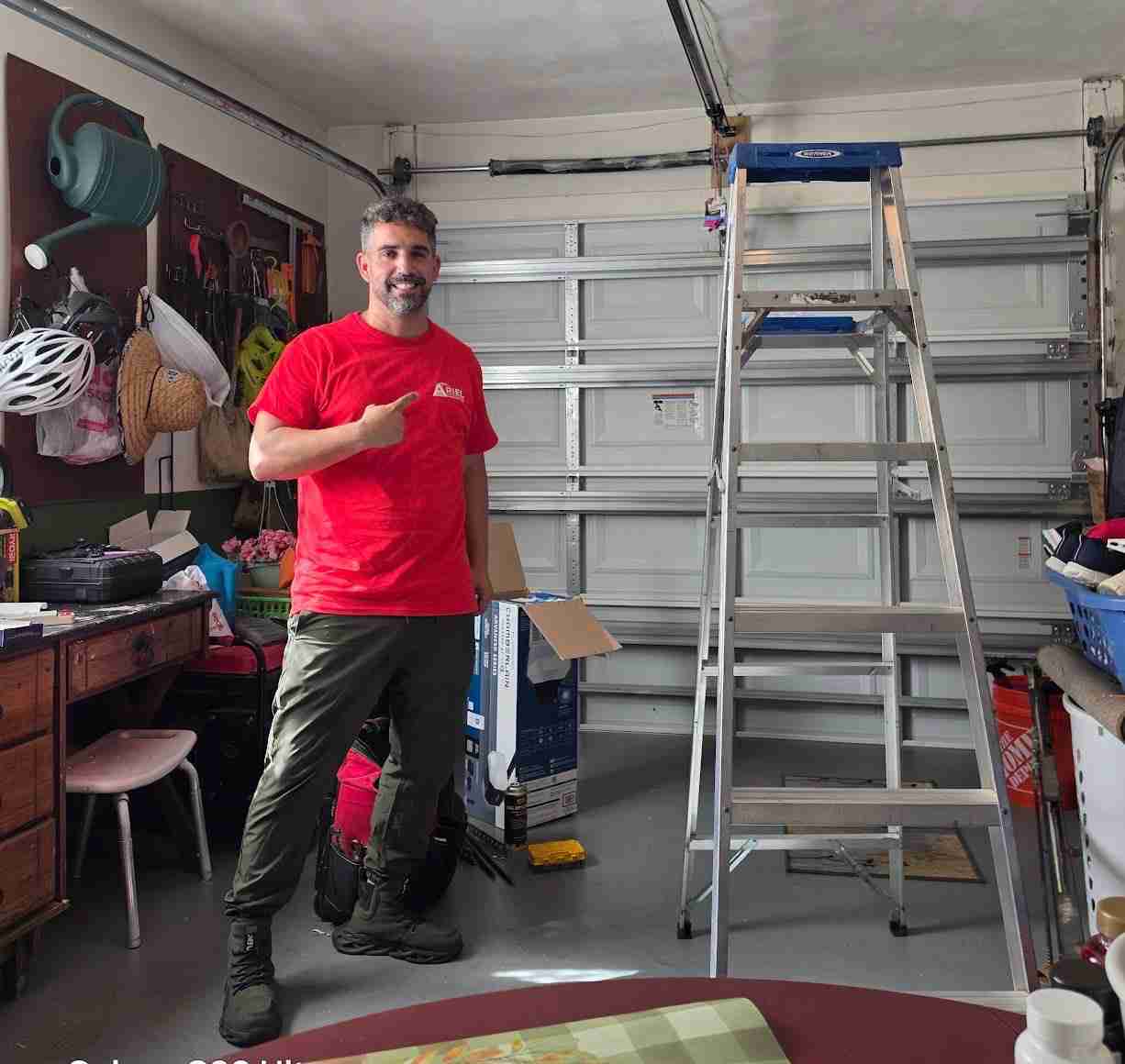
If you’re not sure whether your garage door can handle what this season might bring, Ariel Garage Door Services is based right here in Hollywood, FL, and works with homeowners across Broward, Miami-Dade, and Palm Beach counties every year before storm season. Give us a call and we’ll take a look at your door, tracks, and opener, and let you know exactly what it needs before the next storm gets close.