Most homeowners in South Florida do not think about their garage door until it stops working. It opens every day, holds up against heat and salty air, and then one morning it just will not budge. By that point, a small problem has usually turned into an expensive one.
Annual garage door maintenance is one of those tasks that gets pushed to the bottom of the list. The door seems fine, so it feels easy to skip. But a garage door is a heavy moving machine with springs, cables, and motors, and it takes real strain every single day. A yearly check keeps it running safely and saves you money down the road.
Why Your Garage Door Needs Yearly Attention
A garage door opens and closes roughly a thousand times a year in an average household. Every cycle puts stress on the springs, rollers, tracks, and hinges. Over time, these parts wear down, even if you cannot see it happening.
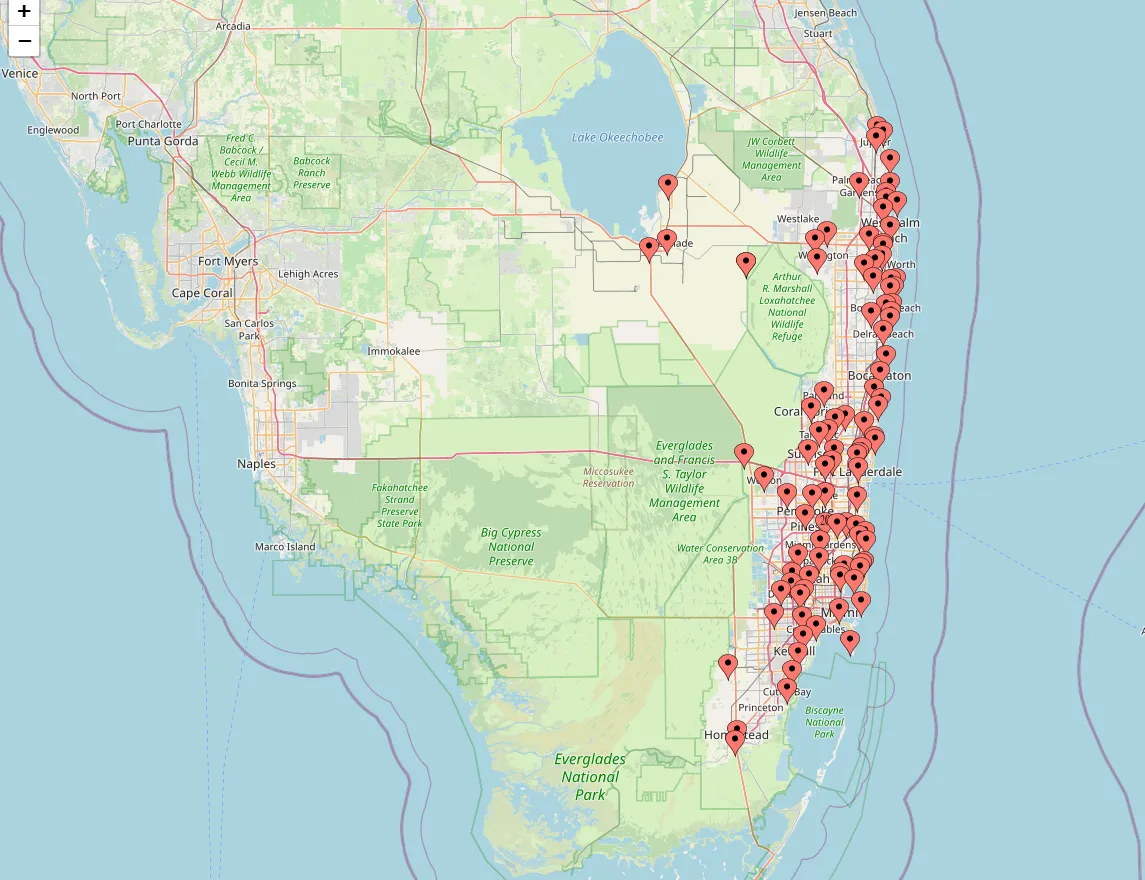
In South Florida, the wear happens faster. Humidity, salt air near the coast, and summer heat all work against metal parts. Springs lose tension quicker, tracks can corrode, and openers work harder in the heat. A door that would last fifteen years in a drier, cooler climate might start showing problems in half that time here if nobody checks on it.
Regular maintenance catches the small stuff, a squeaky hinge, a loose bolt, a spring that is starting to stretch, before it turns into a door that will not open or a cable that snaps.
What Can Go Wrong Without Maintenance
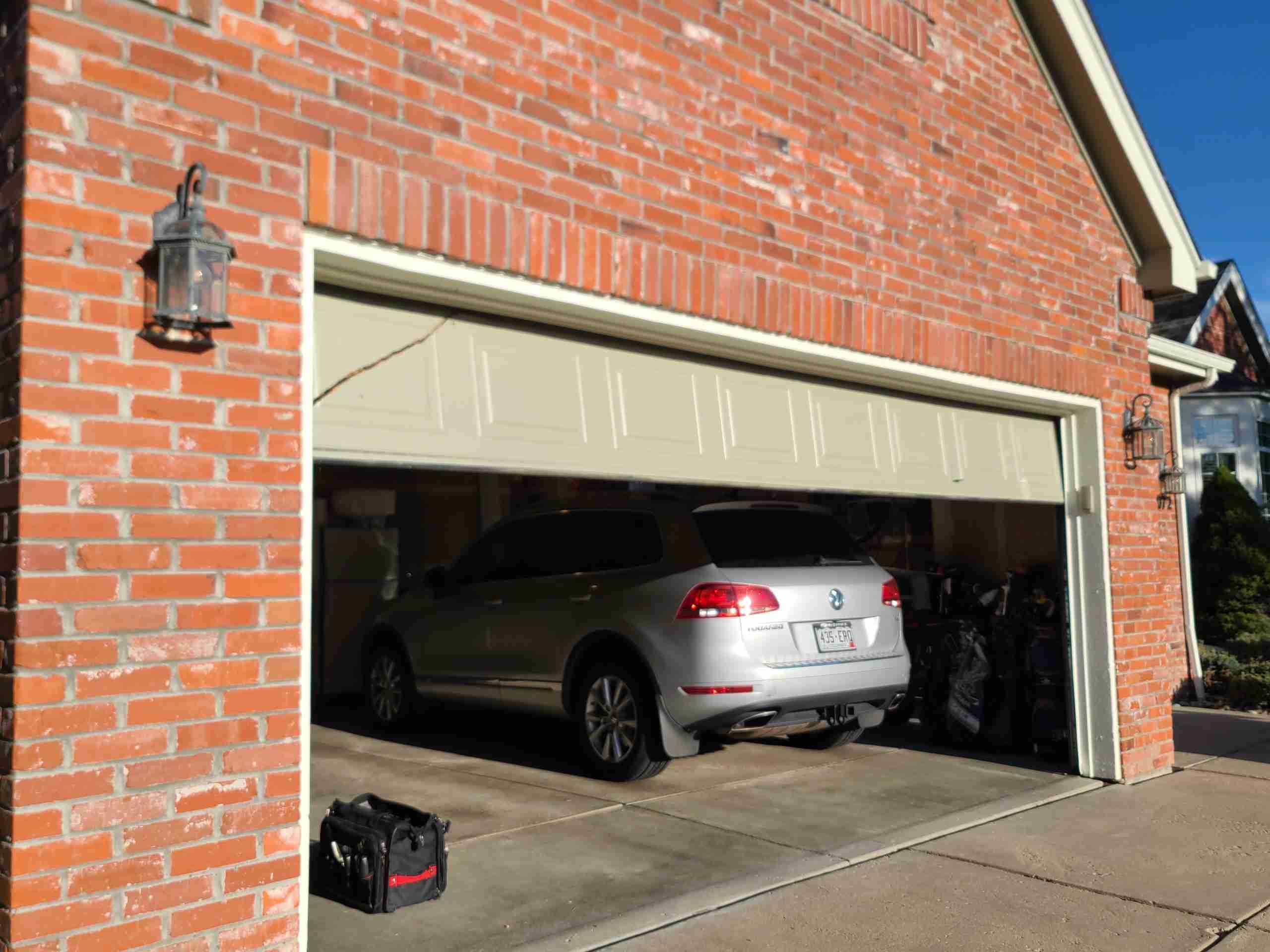
- Spring failure: Springs carry the full weight of the door. When they wear out without warning, the door can slam down hard or get stuck halfway.
- Cable snapping: Cables work alongside the springs. A frayed cable can whip loose under tension and cause real damage.
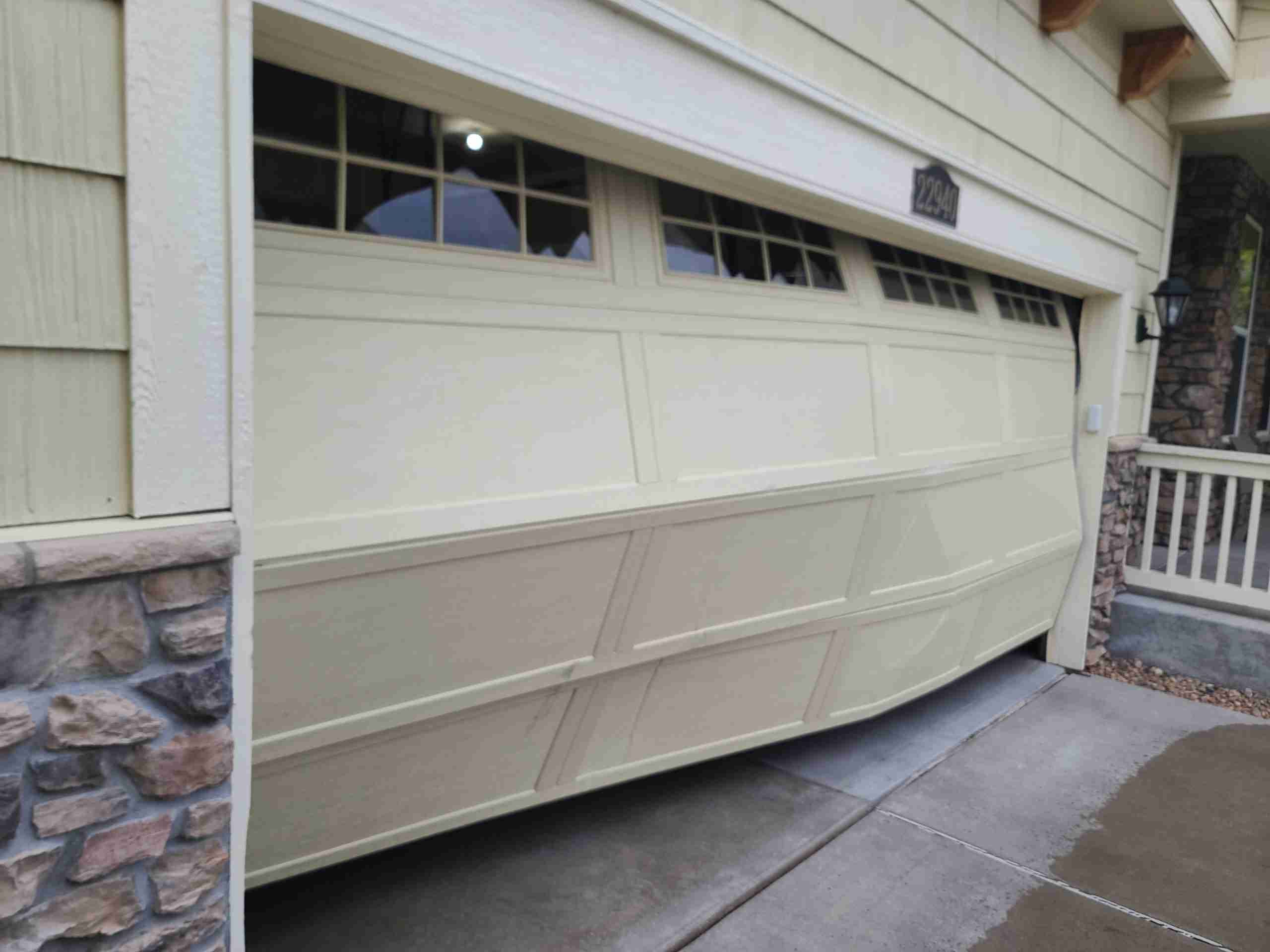
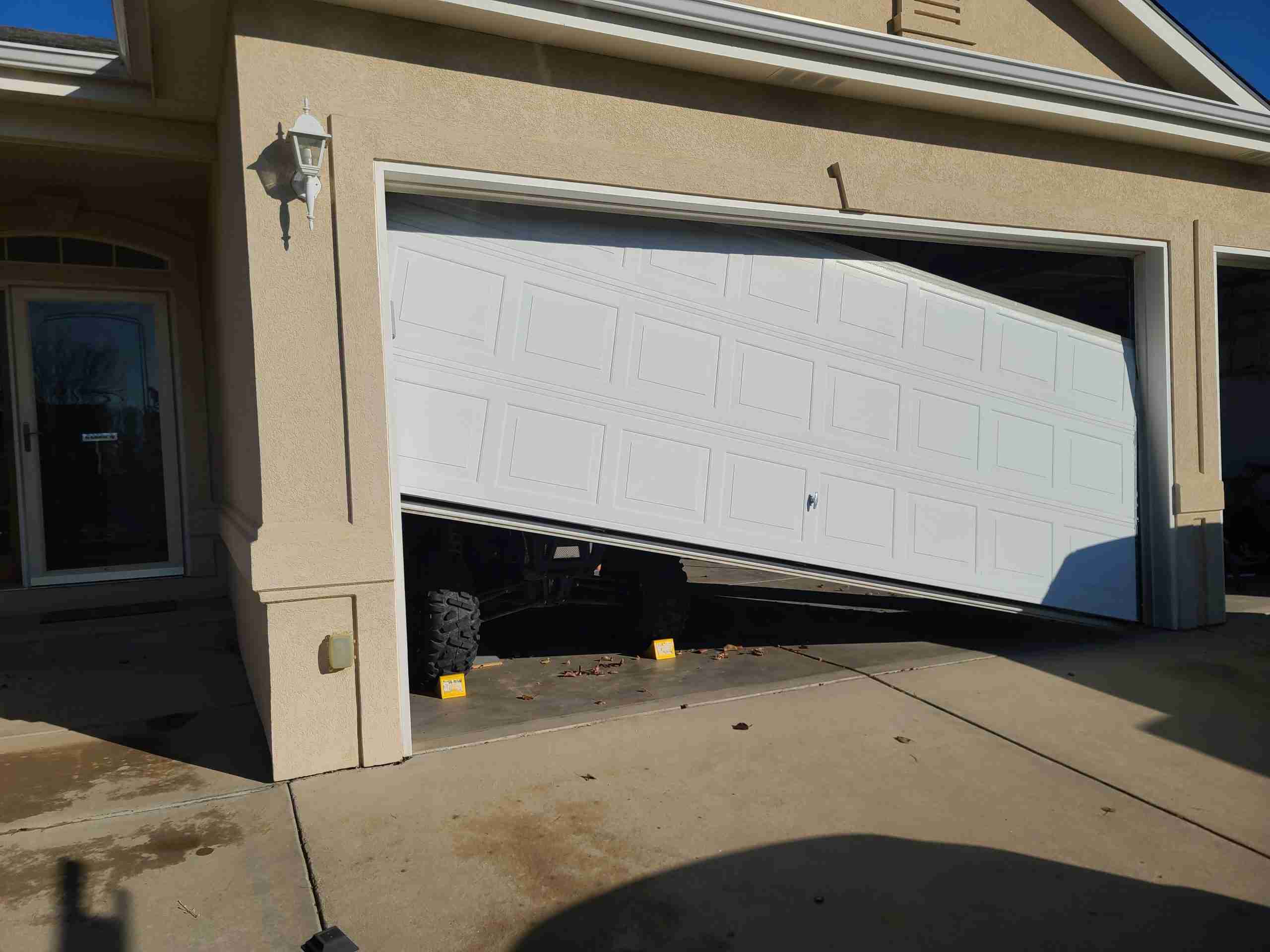
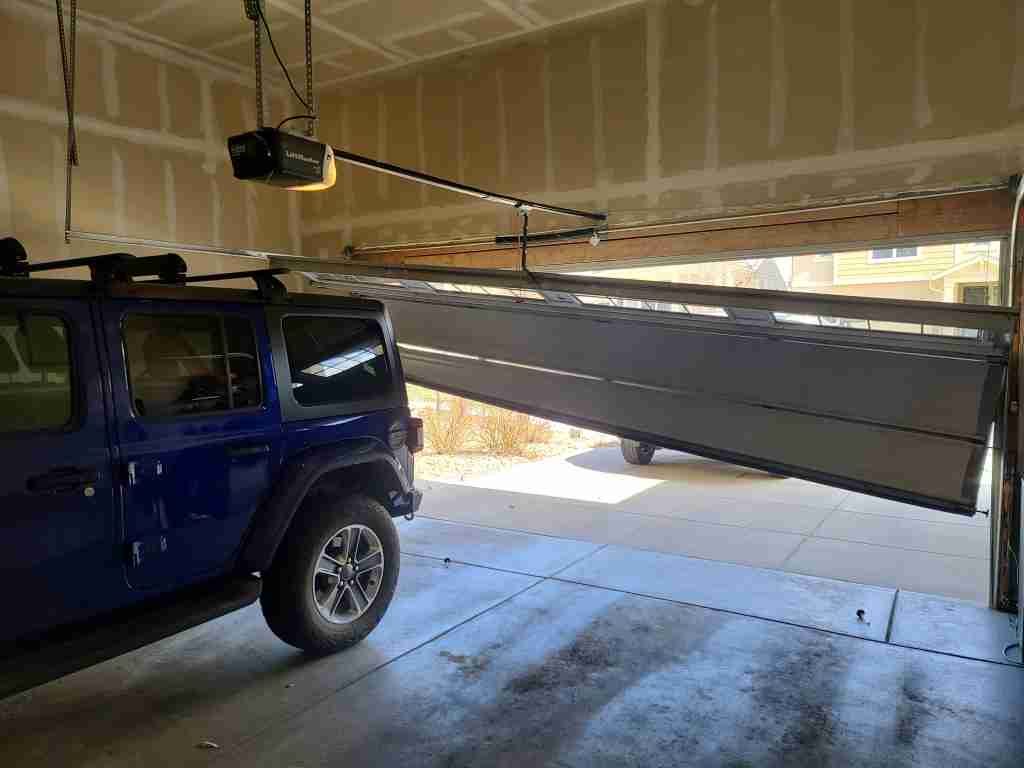
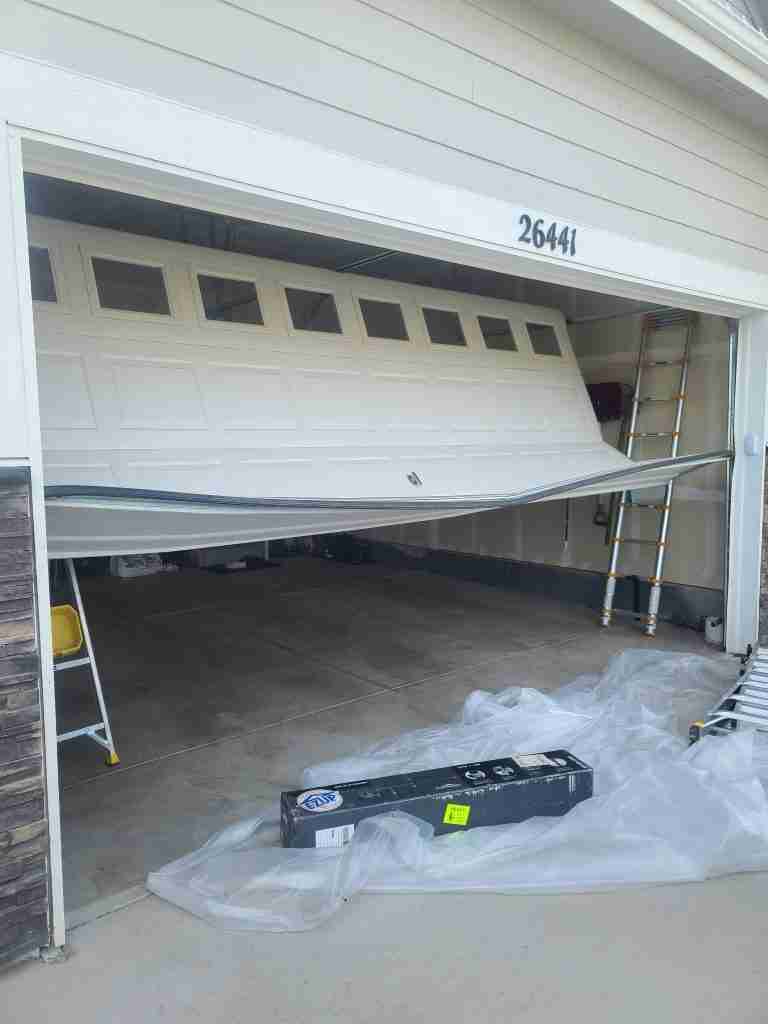
- Track misalignment: Tracks that are not checked can bend or gather debris, causing the door to grind, stick, or come off track entirely.
- Opener strain: A door that is not balanced properly forces the opener motor to work harder, wearing it out years before it should quit.
- Safety sensor issues: Dirty or misaligned sensors may stop detecting objects in the door’s path, which is a real safety risk for kids and pets.
Any one of these issues on its own is annoying. Together, ignored for a few years, they add up to needing a full garage door installation and replacement instead of a simple tune-up.
The Real Cost of Skipping Maintenance
Garage door maintenance works a lot like an oil change. Missing one visit will not wreck anything on its own, but a few years of skipped checkups usually shows up later as a bigger repair bill.
A basic maintenance visit costs far less than an emergency call for a broken spring or a jammed opener at eleven at night. Insurance companies and home inspectors also take note of poorly maintained garage doors, since they are one of the largest moving parts of a house and a common point of failure. Keeping up with maintenance protects your budget and keeps your home in good standing if you ever decide to sell.
What Annual Maintenance Actually Covers
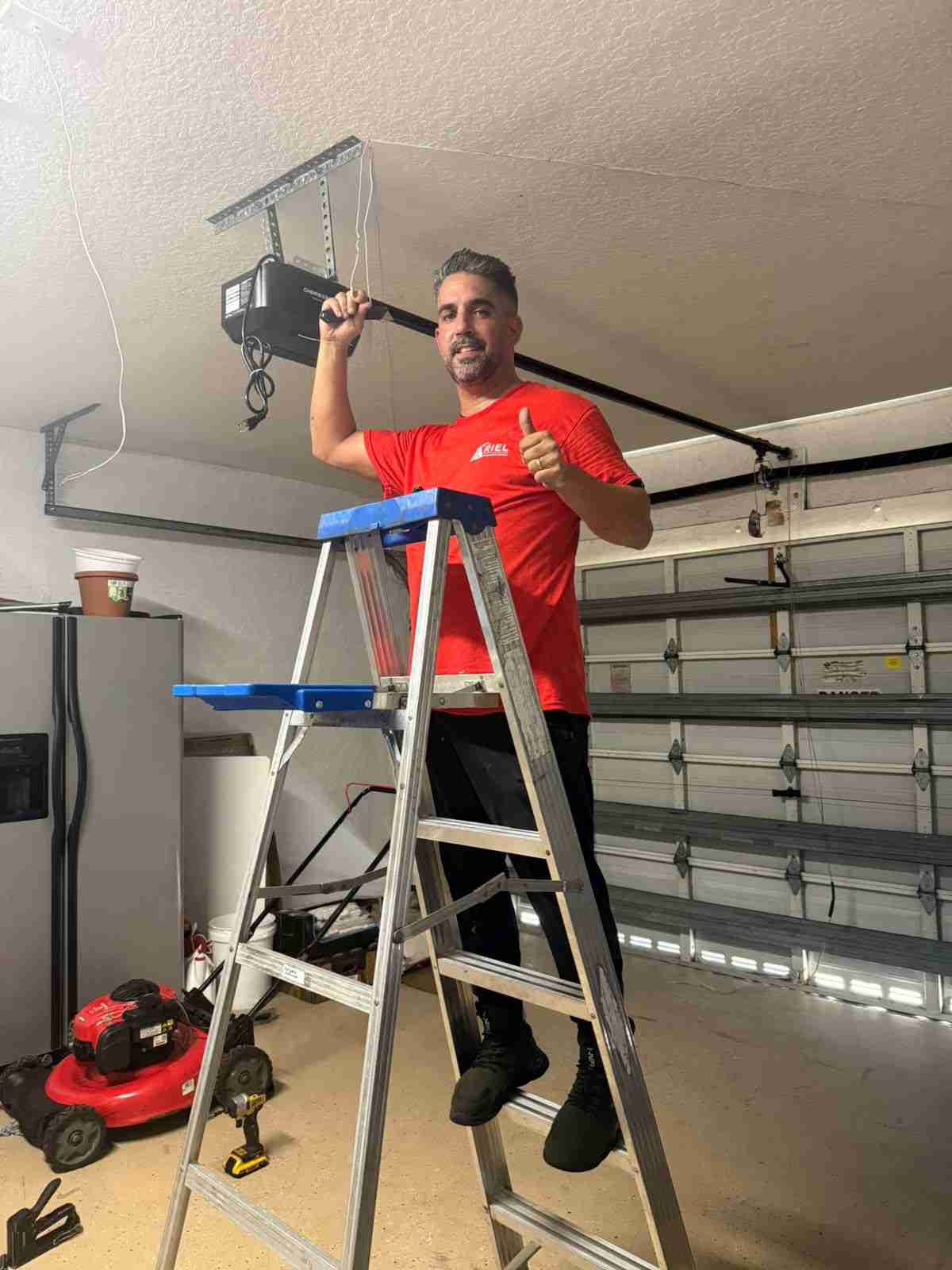
A proper yearly service goes well beyond a quick glance at the door. A trained technician usually works through a full checklist that covers the door’s moving parts and its safety features.
| Maintenance Task | Why It Matters |
|---|---|
| Spring tension check | Prevents sudden spring failure and uneven door movement |
| Track alignment | Keeps the door gliding smoothly without grinding or sticking |
| Roller and hinge lubrication | Reduces noise and wear on moving joints |
| Cable inspection | Catches fraying before a cable snaps under load |
| Opener and sensor test | Confirms the door reverses properly when it senses an object |
| Weatherstripping check | Keeps out rain, bugs, and heat, especially important in Florida |
| Hardware tightening | Loose bolts and brackets are a common cause of rattling doors |
| Balance test | Confirms the door isn't putting extra strain on the opener motor |
Each of these steps is small on its own, but together they cover almost every part of the door that can fail.
Signs You Should Not Ignore
Some warning signs show up well before a full breakdown. If your door does any of the following, call someone instead of waiting for the yearly checkup:
- The door is noticeably louder than it used to be
- It moves unevenly, with one side dropping faster than the other
- It hesitates or jerks partway through opening or closing
- The remote works sometimes but not always
- You notice visible rust, fraying cables, or bent tracks
Homeowners often try to fix these issues themselves, and while some are simple, spring repair and cable work should be left to a professional. If your door is grinding or has come loose from its rails, that usually points to an off track repair rather than something to fix on your own, and mistakes with springs or tracks are among the repairs homeowners should never try themselves.
Simple Things Homeowners Can Do Between Visits
Professional maintenance covers the heavy lifting, but there are a few small habits that help between visits. Wiping down the tracks and giving the rollers a light spray of lubricant every few months keeps things moving smoothly. It also helps to do a quick visual check for rust or fraying, especially if you live close to the coast, where salt air speeds up corrosion.
The auto-reverse safety feature is worth testing every so often too. Place a block of wood on the ground where the door closes, and confirm the door reverses when it touches the object. This one test can prevent a serious accident, and it takes less than a minute to check.
What We See Most Often on Repair Calls
A lot of the calls we get for emergency repairs trace back to something that could have been caught earlier. Worn-out rollers are a big reason doors start grinding on their tracks, and if you catch that early, you avoid a much bigger job later. Openers are another common issue, and an unreliable remote or a struggling motor are usually signs that an opener is on its way out rather than a one-time glitch.
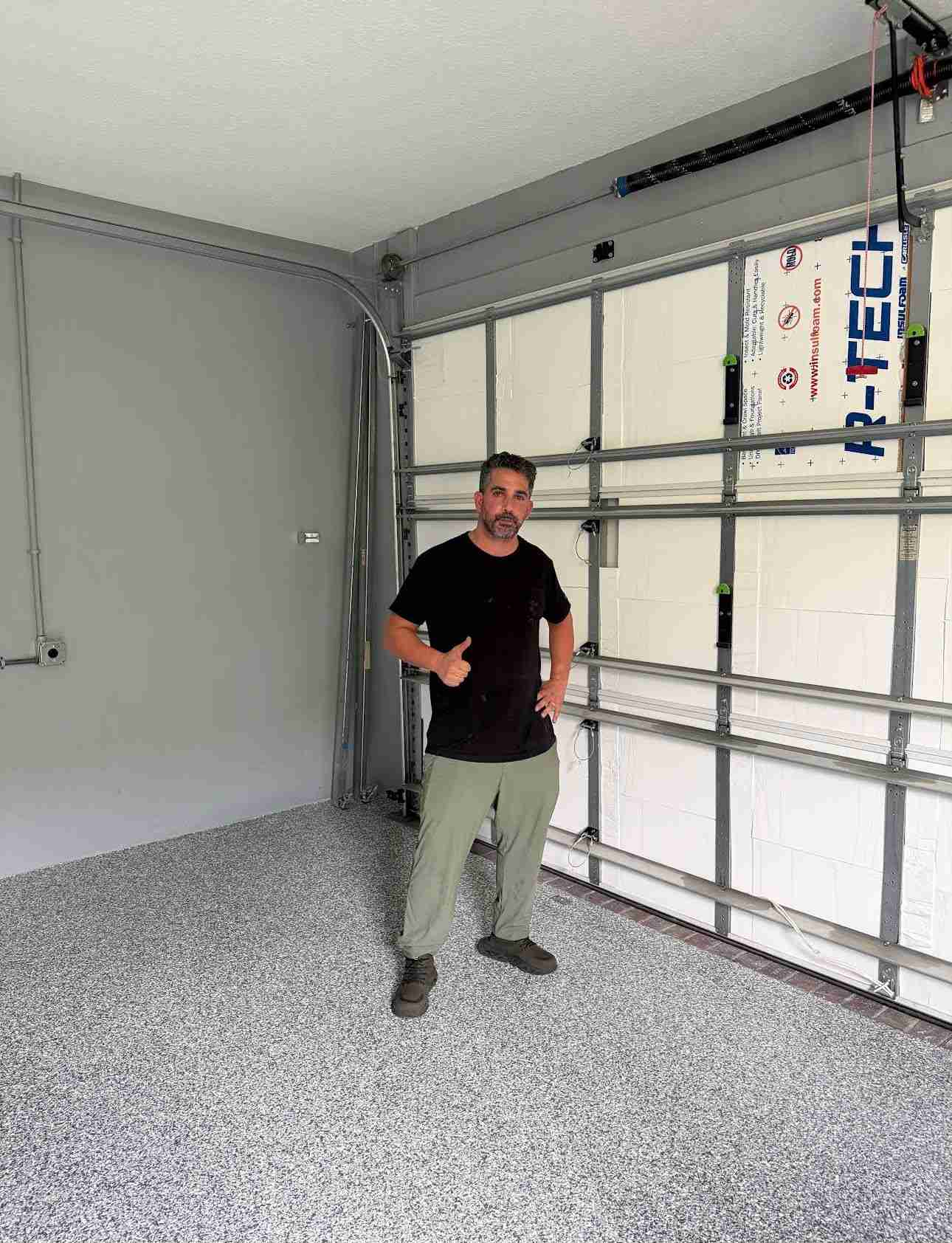
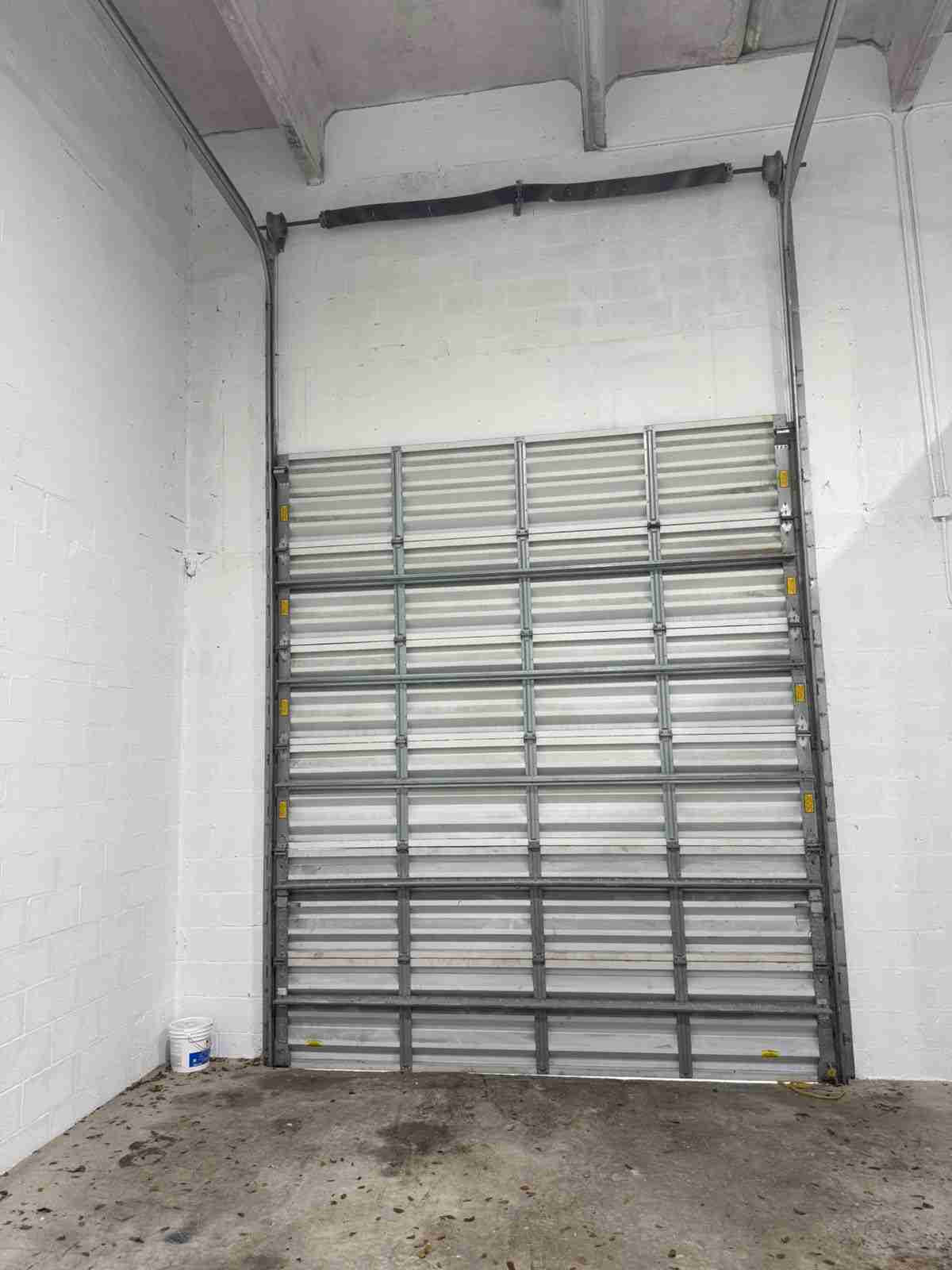
Springs are probably the most important part to stay ahead of. They carry the full weight of the door and they do not give much warning before they fail. Annual checks that include spring tension testing are one of the best ways to avoid a snapped spring, which is both a safety hazard and one of the more expensive repairs to deal with on short notice. A door that is not opening the way it should is also worth having checked through a full opener repair visit, since motor strain often shows up as small glitches before it fails completely.
Keeping Your Garage Door Working the Way It Should
A garage door is one of the largest and heaviest parts of any home, and it works harder than most people realize. Annual maintenance stays ahead of wear before it turns into a safety issue or a costly repair, long before the door ever gives you a reason to worry.
For homeowners across Broward, Miami-Dade, and Palm Beach counties, the heat and humidity make yearly checkups even more important than they would be elsewhere. A short visit once a year can add years to your door’s life and keep your family safer every time that door goes up and down.
Give Your Garage Door the Checkup It Deserves
Skipping a yearly checkup rarely feels like a big deal, until the day the door will not open and you are stuck figuring out what to do next. A simple inspection now can catch the kind of wear that turns into a real problem later. Ariel Garage Door Services works throughout South Florida and can walk through your door’s springs, tracks, and opener to make sure everything is holding up the way it should.