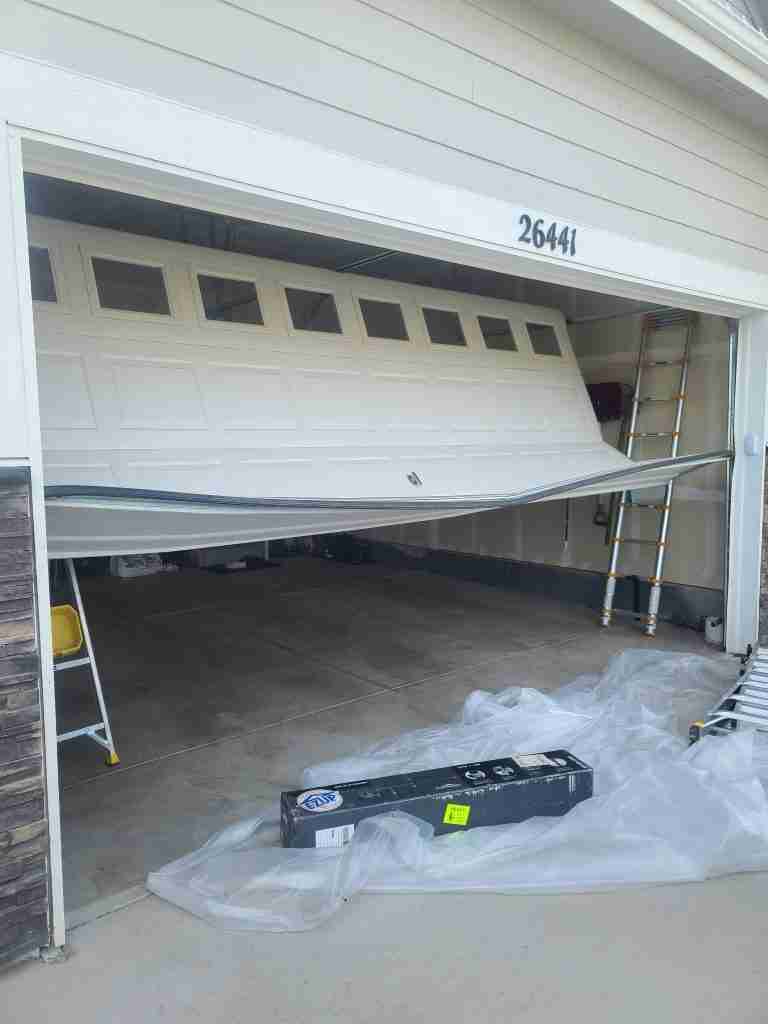
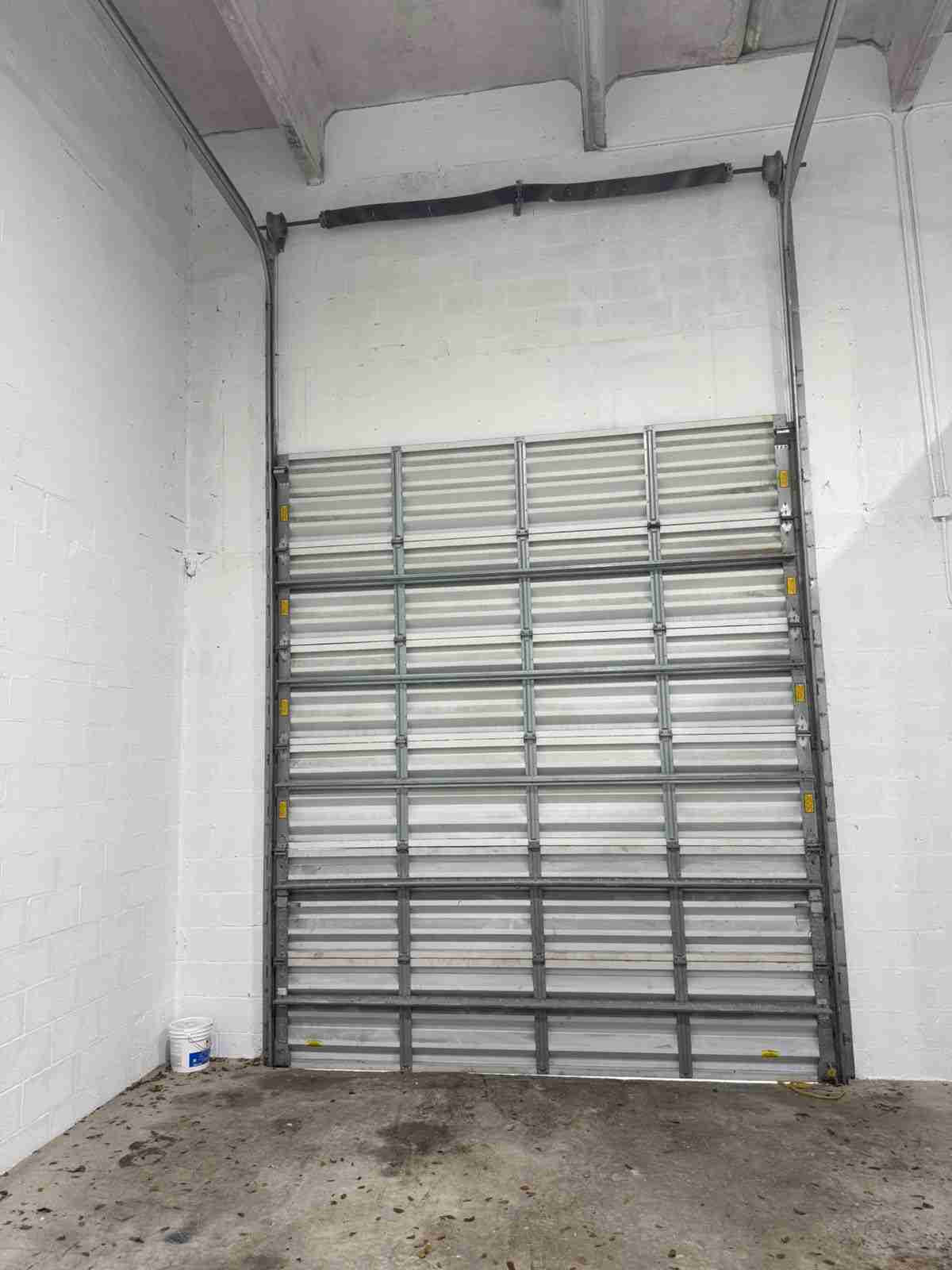
A garage door that opens by itself is a big safety risk that leaves your home completely unprotected. Sometimes this happens just once as a random fluke, while other times the door will keep rolling up every few days. You should not ignore this issue because a wide-open garage invites thieves, stray animals, and bugs right into your house. It also lets heat and rain inside, which can quickly ruin your tools and run up your cooling bills. Here are 11 common reasons your garage door might be opening on its own and exactly how to fix it.
Why a Self-Opening Garage Door Is a Bigger Deal Than It Seems
It is easy to ignore the problem the first time your garage door pops open on its own. You might assume it was just a strange mistake and forget all about it. However, a door that opens without anyone touching a switch usually means something is wrong. The issue is almost always tied to a specific problem with your hardware, your electrical wiring, or your opener’s internal settings.
- It gives easy access to your home and anything stored in the garage
- It can run up your energy bill if the air conditioning is fighting an open door
- It puts pets and small kids at risk if they wander in or out
- It can be a sign of a bigger electrical issue that only gets worse with time
1. A Stuck Remote Control Button
If a remote gets stuck in a bag, under a car seat, or between couch cushions, the button can get pressed by accident. This sends a signal to the opener without you knowing it. This might sound too simple to be true, but it is one of the top reasons people call for repair help. When a button stays held down, the door will act like it has a mind of its own.
Check all your remotes and make sure none of them are pinned down somewhere. Take a look inside bags, glove boxes, and even kids’ toy bins. If you find the remote pressed against something firm, that is likely your answer. Replacing the battery cover or getting a remote with a button guard can help stop this from happening again. If the transmitter isn’t physically jammed but the door still won’t respond to it, there might be a deeper issue with the hardware or signal frequency, which is why your
garage door remote is not working.
2. Interference from Other Devices
Garage door openers use radio frequency signals, and so do a lot of other devices around your home. Baby monitors, wireless routers, cordless phones, and even some car alarms can interfere with the signal your opener is listening for. This interference sometimes tricks the opener into thinking it received a command when it did not.
This is more common in homes with a lot of smart devices or in neighborhoods with many wireless networks close together. If you recently added a new gadget to your home around the same time the door started acting up, that could be the reason. Moving the receiver antenna or adjusting the frequency channel on newer openers can sometimes solve this.
3. Old or Faulty Wiring
Worn out wires inside the wall switch or the opener unit can send random signals to the motor. Over time, the insulation on wires can crack, especially in Florida’s heat and humidity. A short or a loose connection does not always cause the door to stop working completely. Sometimes it just causes odd behavior, like opening on its own.
This is one of those problems that usually needs a trained eye. A
garage door opener repair visit can find loose or damaged wiring before it causes bigger issues, and before it turns into a full opener replacement. Waiting too long on a wiring problem often means paying more later.
4. A Stuck Wall Control Button
Just like a remote, the wall button inside your garage can get stuck if something presses against it, like a broom, a bike handle, or even a shelf that got moved too close. A stuck wall button can send the same signal over and over, which sometimes looks like the door opening randomly.
Move anything leaning on it and make sure nothing is pressing the button by accident. It also helps to check the button cover itself. If it is cracked or loose, moisture can get inside and cause it to short out, which leads to the same kind of unpredictable behavior.
5. Circuit Board Problems
The circuit board inside the opener controls all the commands, from receiving remote signals to telling the motor when to run. If it short circuits or has a small electrical fault, it can send a signal to open the door without any input from you at all.
Circuit board issues are harder to spot than a stuck button because there is nothing physical to see or feel. Age, moisture, and small power spikes over time can wear down the board’s components. If you have ruled out the more obvious causes on this list, the circuit board is often the next place to check.
6. Power Surges
A power outage or a surge from a storm can confuse the opener’s memory. Florida sees plenty of thunderstorms, and a surge can reset settings, scramble the opener’s programming, or trigger the door to open randomly right after the power comes back on.
If your door started acting up right after a storm or a flicker in your home’s power, this is likely your cause. A surge protector on the outlet that powers your opener is a simple and cheap way to prevent this from happening again.
7. Weather and Temperature Changes
Heat and humidity cause metal parts to expand and contract. This is especially true in South Florida, where garages can swing between very hot afternoons and cooler, damp nights. This constant back and forth can affect the sensors and limit switches enough to send false signals to the motor.
Doors made of certain materials are more sensitive to this than others. If your door only acts up during certain seasons or right after a big weather change, temperature is likely playing a role. Keeping the sensors and switches clean and shaded from direct sun can help reduce this.
8. Misaligned Photo Eye Sensors
The two small sensors near the bottom of the track need to line up correctly. If your door has ever come slightly
off its track, or if something knocked the sensors out of place, like a bike or a lawn mower brushing past them, they can send confusing signals to the opener.
These sensors are meant to be a safety feature, stopping the door from closing on something in its path. When they are not aligned right, they can cause all kinds of strange behavior, including random opening. Wipe the sensor lenses clean and check that both lights are solid, not blinking, as a first step.
9. Signal from a Neighbor's Remote
If you live close to your neighbors and both openers share the same frequency, this can occasionally cause a mix up. In rare cases, a neighbor pressing their own remote could get picked up by your receiver instead of theirs.
Rolling code technology mostly prevents this in modern openers, since the code changes every time a remote is used. Older openers without rolling code are more likely to run into this. If your opener is more than 15 years old, this might be worth asking a technician about.
10. Software or Programming Glitches
Newer openers with smart features and Wi-Fi connections can sometimes glitch out due to app errors, firmware bugs, or a bad update. A reset or reprogram usually solves it, though it can be frustrating to figure out which step in the app caused the issue.
- Restart the opener app and check for pending updates
- Remove and re-add the device from your smart home hub
- Reset the opener to factory settings if the glitch keeps repeating
- Contact the manufacturer’s support line if none of these steps help
11. Worn Out Limit Switches
Limit switches tell the opener when to stop moving, both when opening and closing. When these wear out or get knocked out of calibration, the door can behave oddly, including opening partway or fully when it should not.
This is a mechanical issue rather than an electrical one, and it tends to get worse gradually rather than all at once. If you have noticed the door stopping in slightly different spots each time, or reversing when it should not, worn limit switches are a likely cause.
When to Just Call a Professional
Some of these fixes are simple enough to try yourself, like checking a remote or wiping down a sensor. Others involve wiring, circuit boards, or motor settings that are best left to someone trained to handle them. Working inside an opener without the right knowledge can be a shock hazard, and getting the settings wrong can cause the door to behave even more unpredictably.
If you have gone through the easy checks and the door is still opening on its own, that is the point to bring in a
professional. A trained technician can test the whole system at once instead of guessing at one part.
Time to Stop the Mystery Openings
A garage door that opens by itself is not something to ignore. It puts your home and your family’s safety at risk. Most of the time, a wiring fix or a sensor adjustment solves the problem. But if your opener is old and the same issue keeps coming back, it might be time to look at a full
garage door installation instead of another repair.
If you are in Hollywood, FL or anywhere across Broward, Miami-Dade, or Palm Beach County, give
Ariel Garage Door Services a call and we will get your door working the way it should. A quick inspection now can save you from a much bigger headache later.