Most homeowners never think about their garage door opener until it stops working. You press the button on your way to work, and the door goes up. You press it again at night, and it comes down. It is a small machine that gets used twice a day, every day, for years, without anyone paying it much attention.
The tricky part is knowing when a strange noise or a slow response is just a minor hiccup, and when it means the opener is on its way out. In a lot of cases, a garage door opener repair can sort out small issues without much trouble. Other times, the problem points to a motor and system that has reached the end of its road. Here are 10 signs to keep an eye on, so you can decide what to do before you get stuck outside your own garage.
Quick Guide: Repair or Replace?
| Symptom | Usually Fixable | Time to Replace |
|---|---|---|
| Opener is loud but still works fine | Yes | No |
| Door reverses for no reason | Sometimes | Often |
| Opener is 10+ years old | Rarely worth it | Yes |
| Remote works only up close | Yes | Sometimes |
| Motor grinds or smells hot | No | Yes |
| No smart home features | N/A | Yes, if you want them |
This table is a general starting point. If you are ever unsure, a technician can look at the actual motor and gears before you spend money either way.
1. The Opener Is Over 10 Years Old
Most garage door openers have a working life of around 10 to 15 years. The exact number depends on how often the door gets used and how well the unit has been maintained over that time. If your opener is pushing past a decade, the internal gears and motor windings have already done a lot of work.
Even if it still opens the door most days, older units tend to fail without warning. Parts for very old models can also be hard to find, which makes a simple fix turn into a bigger job.
2. The Door Is Slow to Open or Close
A working opener should lift and lower the door at a steady, predictable pace. If you notice the door creeping up slower than it used to, or pausing halfway before continuing, the motor may be struggling. Worn gears inside the unit are a common cause of this kind of slowdown.
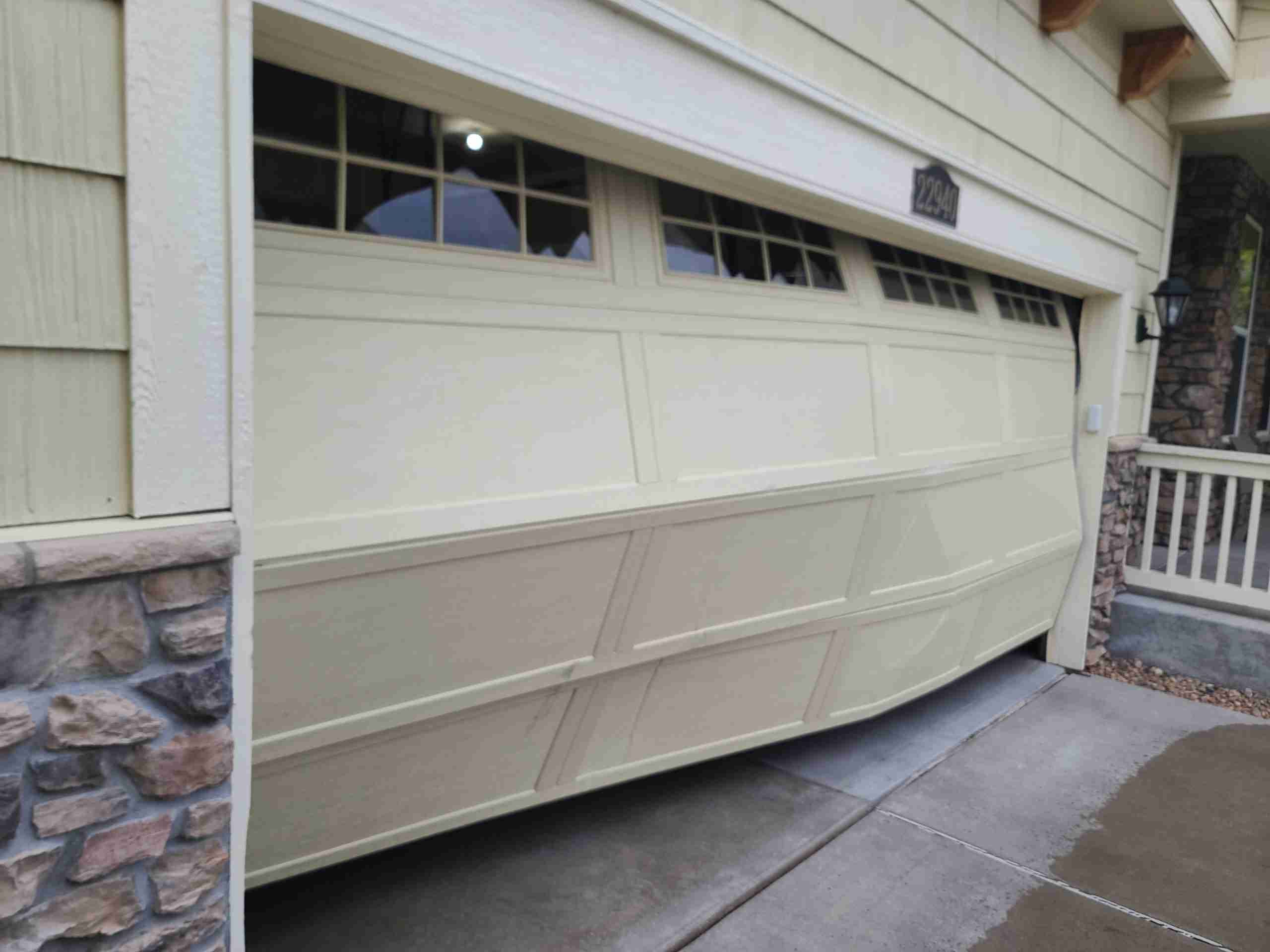
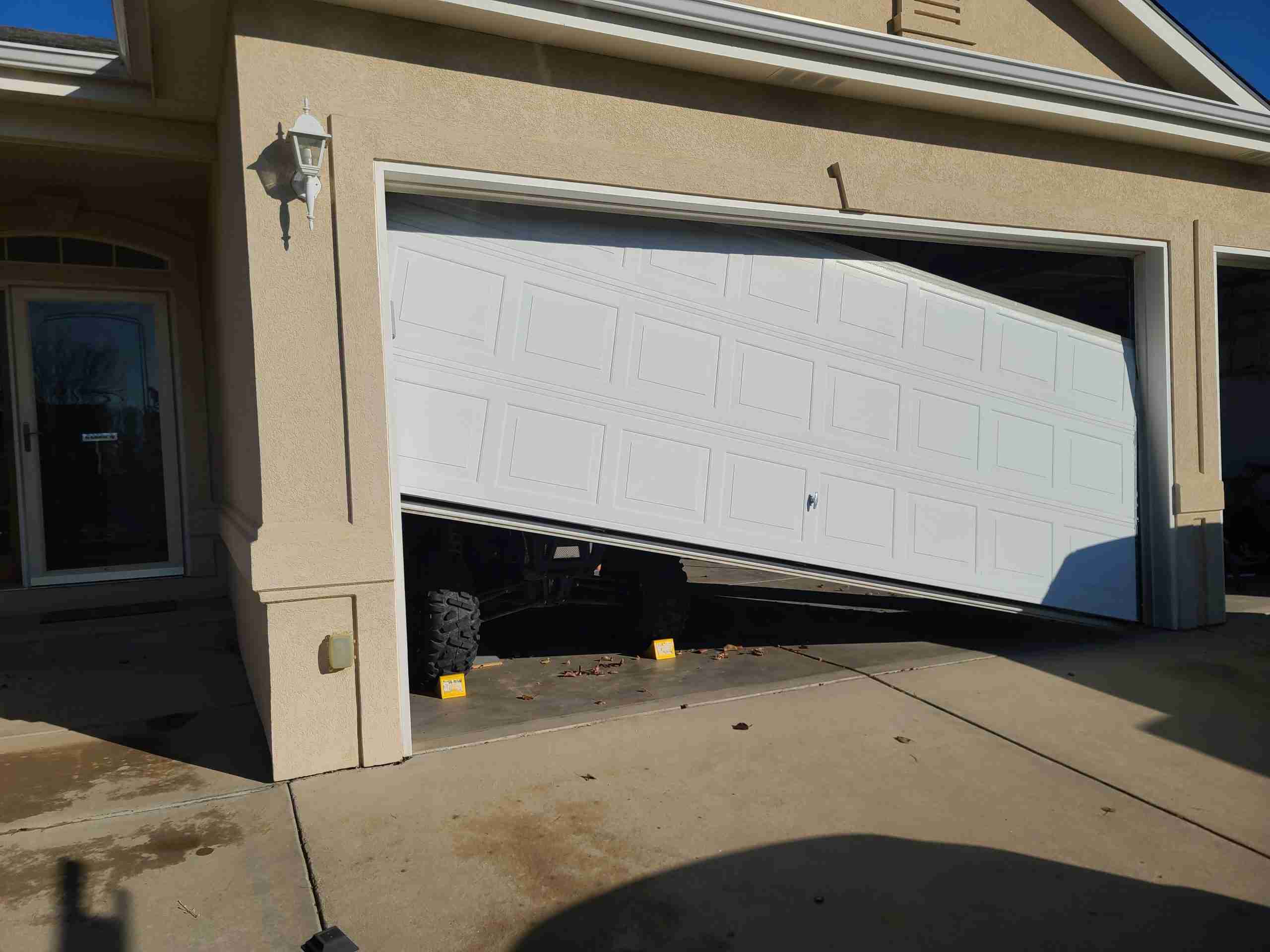
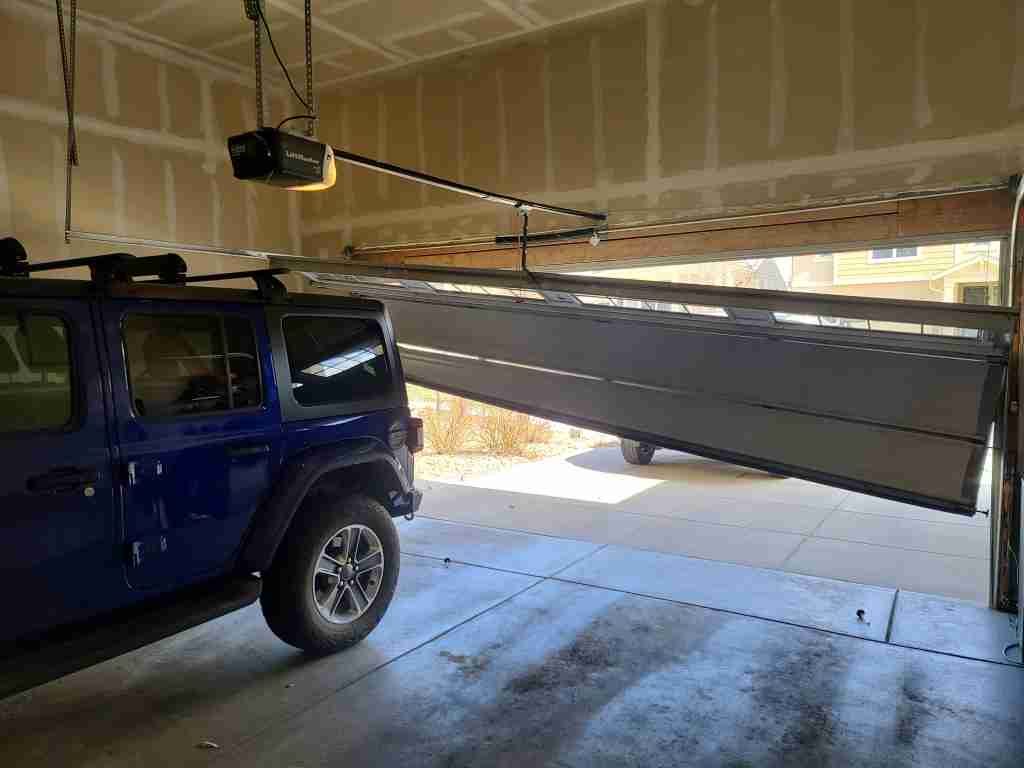
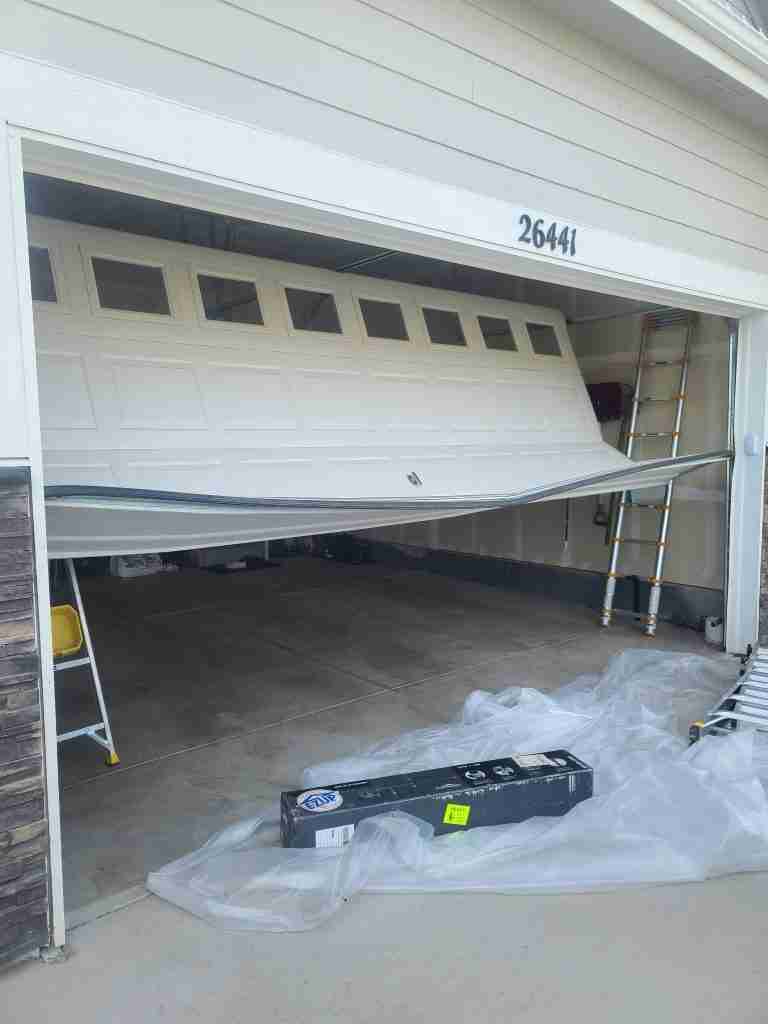
Before blaming the opener, it helps to rule out the door itself. A door that has come off its track or sits misaligned can cause the same kind of slow, jerky movement, so it makes sense to have both checked at the same time.
3. Loud Grinding, Squealing, or Banging Noises
Some noise is normal. A quiet hum or a soft click is fine. Grinding metal, loud banging, or a high-pitched squeal is not. These sounds usually mean the gears inside the opener are wearing down or the motor is working harder than it should.
- Grinding often points to stripped gears
- Banging can mean loose hardware or a failing chain
- Squealing may signal the motor bearings are worn out
If the noise gets worse over a few weeks instead of better, that is a sign the opener is nearing the end of its useful life.
4. The Remote or Keypad Works Inconsistently
You press the button and nothing happens. You press it again, and the door finally opens. This kind of on and off response is frustrating, and it usually gets worse over time rather than fixing itself. Weak signal reception, worn out circuit boards, and old receiver units are common causes.
Sometimes new batteries in the remote solve the problem. If fresh batteries do not help, the issue is likely inside the opener unit, and that points toward replacement rather than another quick fix.
5. The Door Reverses Without Reason
Modern openers have a safety feature that reverses the door if it senses an obstruction. This is a good thing when it works correctly. It is a problem when the door reverses on a clear, empty driveway with nothing blocking its path.
This usually means the safety sensors are misaligned, dirty, or failing, or the force settings on the opener are off. A technician can sometimes recalibrate this, but on older units, the sensor system itself may simply be wearing out and may need replacing along with the opener.
6. You See Visible Wear on the Motor or Housing
Take a look at the actual opener unit mounted on your garage ceiling. Cracked plastic housing, rust on metal parts, or a chain that looks stretched and loose are all physical signs of age. These are not cosmetic issues you can ignore.
A cracked housing can expose wiring to dust and moisture, especially in humid South Florida garages. Once the outer shell starts breaking down, the internal parts are usually not far behind.
7. The Opener Runs Hot or Smells Burnt
If the motor housing feels unusually warm after normal use, or you notice a faint burning smell near the unit, stop using it and call a professional. This can point to an overworked motor, a wiring issue, or a failing capacitor. It is one of the few signs on this list that should not wait.
A hot motor is both a fire risk and a sign that the internal components are stressed beyond their normal limits. Wiring and motor issues also fall into the category of repairs best left to a trained technician rather than something to open up on your own.
8. Your Energy or Security Bills Don't Add Up With Older Tech
This one is less obvious. Older openers do not have rolling security codes, which means the same signal is sent every time you press the remote. That signal can, in rare cases, be captured and reused by someone with the right equipment. Newer openers use rolling codes that change every time, making them harder to bypass.
If your opener predates this technology, that gap is worth thinking about, especially if you use your garage as a main entry point to your home.
9. You Want Smart Home Features You Don't Currently Have
Plenty of people replace openers when the old one still runs, simply because they want more control. Battery backup during power outages, phone app access, and Wi-Fi connectivity are common upgrades. If you are constantly wondering whether you closed the garage door after leaving the house, a smart opener solves that problem with one glance at your phone.
This is more of a personal choice than a repair issue. It matters here because a lot of homeowners assume they need a whole new garage door installation to get these features, when really it is just the opener that needs the upgrade.
10. Repairs Are Becoming Frequent and Costly
Every opener needs the occasional part replaced. But if you find yourself calling for garage door opener repair every few months, the repeated cost starts to add up fast. At some point, the smarter move financially is a new unit with a full warranty, instead of patching an old one piece by piece.
A good rule of thumb: if a single repair costs more than half the price of a new opener, replacement is usually the better value.
Why a Working Opener Matters More Than People Think
The garage door is often the biggest and heaviest moving object in a home, and the opener is what controls it safely every single day. A worn-out opener means a heavy door that could fail to stop, reverse properly, or lock securely when you actually need it to.
A reliable opener works best paired with a door that is in good shape overall. If your springs are also making noise or feel stiff, it makes sense to get spring repair sorted around the same time, since a struggling opener and a worn spring system tend to show up together.
A Fresh Start for Your Garage
If a few of these signs sound familiar, it is probably time to stop patching things one at a time and take a closer look at the whole system. A new opener usually brings fewer surprises, quieter mornings, and one less thing to worry about on your way out the door.
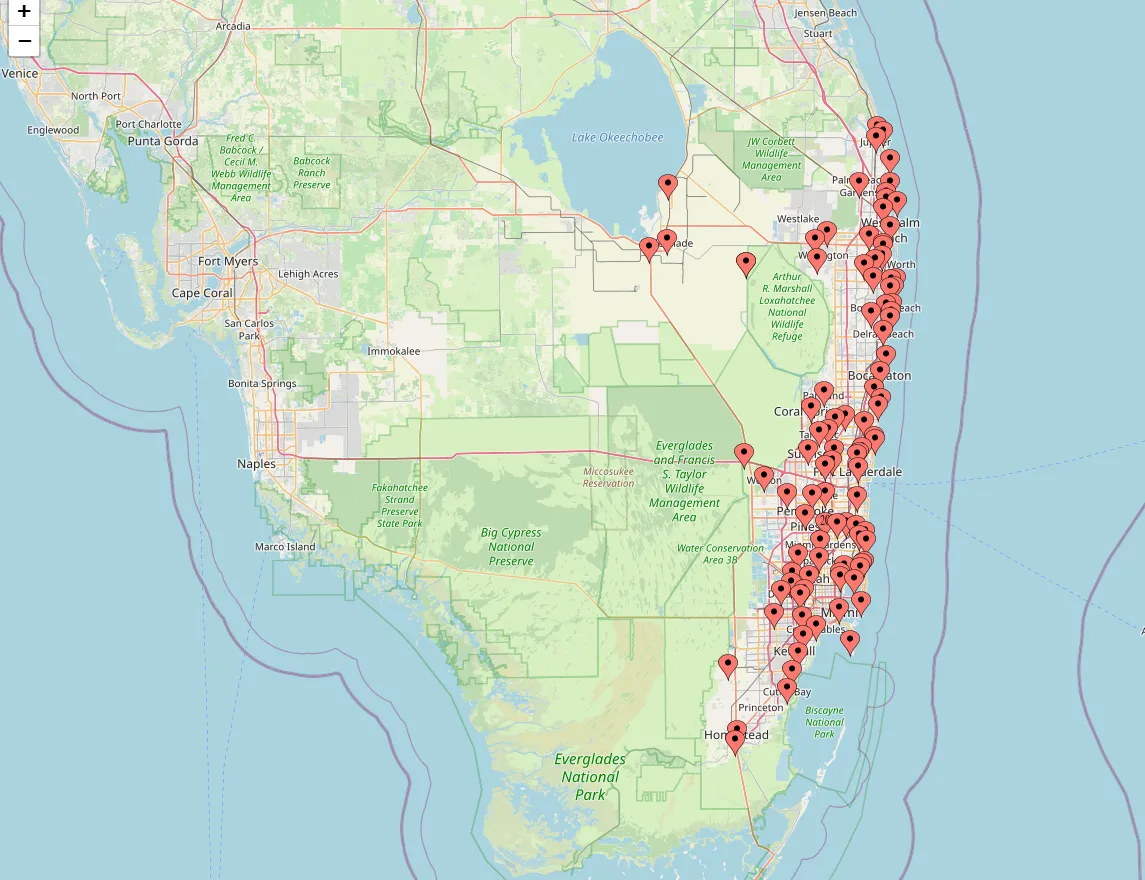
If you are in Broward, Miami-Dade, or Palm Beach County and want a second opinion on your current opener, reach out to the Ariel Garage Door Service team for a straightforward inspection. We will tell you honestly whether a repair will do the job or whether it is time for something new.
Frequently Asked Questions
How long should a garage door opener last?
Most openers last between 10 and 15 years with normal use and basic maintenance.
Can I replace just the opener without replacing the whole garage door?
Yes. The opener and the door are separate systems, and in most cases the opener can be swapped out on its own.
Is it cheaper to repair or replace an old opener?
It depends on the age and the issue. Small fixes like sensor alignment are usually cheap. Motor or gear failure on an opener over 10 years old is often not worth repairing.
What causes a garage door opener to stop responding to the remote?
This is usually caused by weak batteries, signal interference, or a worn out receiver inside the opener unit.
Are newer garage door openers safer than older ones?
Yes, in general. Newer models include rolling security codes and better sensor systems, which reduce the risk of break ins and accidental door closures.