Garage door rollers are the small wheels that ride in the tracks on each side of your door. Most doors have ten or so. They hold up the door’s weight every time it moves, and most people never think about them until the door starts making a racket.
If you’re shopping for a replacement, the choice usually comes down to steel or nylon. Both work. They just suit different doors and different homes. This guide compares steel vs nylon garage door rollers on noise, cost, lifespan and upkeep so you can pick the right set.
What Garage Door Rollers Do
Each roller has a wheel and a stem. The stem sits in a hinge on the door panel, and the wheel rolls along the track when the door goes up or down. Small ball bearings inside the wheel keep it spinning smoothly. A door can weigh well over 150 pounds, so the wheels carry a real load.
Worn rollers cause trouble for the rest of the door. It gets loud and jerky, and the opener has to pull harder to move it. That extra effort can lead to garage door opener repair sooner than it should. Springs and cables feel it too.
Short answer: Nylon rollers are quieter and need less upkeep. Steel rollers cost less and suit heavy doors. For most homes in South Florida, nylon rollers with sealed bearings are the easier pick.
Steel Garage Door Rollers: Pros and Cons
Steel rollers are the older style, and a lot of builder-grade doors still come with them. The big draw is price. They usually cost less than nylon, and they’re built to take a beating. If you have a heavy door, like solid wood or insulated steel, steel rollers hold up well under the weight. Knocks and heat don’t bother them much either.
The downside is noise. Metal rolling on a metal track rattles, and you’ll hear it inside the house, especially if the garage is attached. Rust is the other issue. The coating wears off over time, and humid Florida air speeds that up. Open bearings also need lube a couple of times a year or they start to grind. Basic steel sets often last only about 5 to 7 years.
Nylon Garage Door Rollers: Pros and Cons
Nylon rollers have a nylon wheel with steel bearings inside. If you want quiet garage door rollers, this is where most people land. Nylon rolling on a steel track is much quieter, and that matters a lot when the garage is attached to the house. There’s less friction too, so the door shakes less as it moves.
Upkeep is easier as well. Many nylon rollers have sealed bearings, so there’s nothing to lube, and the wheel can’t rust. They do cost more than steel, though not by a lot. Quality varies, too. Cheap nylon with only a few bearings can wear out fast, especially on a heavy door, so a good set is worth a few extra dollars.
Steel vs Nylon Garage Door Rollers Compared
| Factor | Steel rollers | Nylon rollers |
|---|---|---|
| Noise | Louder, tends to rattle | Much quieter |
| Upfront cost | Lower | Slightly higher |
| Upkeep | Lube twice a year | Little to none with sealed bearings |
| Rust risk | Yes, once the coating wears | None on the wheel |
| Heavy doors | Good fit | Fine if rated for the load |
| Typical lifespan | About 5 to 10 years, depending on bearings | About 10 to 15 years with sealed bearings |
Those lifespans are rough numbers. Some heavy-duty steel rollers are rated for more cycles than basic nylon ones, so the bearings and the rating on the package matter as much as the material.
How Long Do Garage Door Rollers Last? Bearings Matter
Bearings decide a lot here. A roller with more ball bearings runs smoother and lasts longer, and most rollers have between 7 and 13. Open bearings are exposed, so dust and moisture get inside. Sealed ones keep that out, which helps a lot in humid weather.
A nylon roller with 13 bearings will usually outlast a steel one with 7, and the reverse can be true too. When you shop, check the bearing count first and the wheel material second.
| Bearings inside the roller | Rated life (nylon example) |
|---|---|
| 7 bearings | Shortest life of the three |
| 10 bearings | About 10,000 to 15,000 cycles |
| 13 bearings | About 20,000 cycles |
One cycle is one open and one close. At about four trips a day, 20,000 cycles comes out to roughly 13 or 14 years.
Watch out for plastic rollers: Some builders use plastic rollers with no bearings to save money. They often last only two or three years. If your door has them, replace them soon.
Garage Door Roller Replacement Cost
The rollers themselves are cheap. A full set of ten usually costs somewhere around $20 to $100 in parts, depending on the type and the bearing count. Basic steel sits at the low end, and sealed nylon sits higher.
Labor is where most of the money goes. In Florida, many quotes for a full set of ten rollers with labor land around $150 to $300, and premium nylon sets or bigger doors can cost more. Rollers wear at about the same rate, so replacing the whole set in one visit usually costs less than calling someone back for the rest later.
How to Choose the Best Garage Door Rollers
- Noise: If the garage is attached, or a bedroom sits above it, nylon is the better choice. You’ll hear the difference right away.
- Door weight: Heavy wood doors and insulated steel doors put more load on each wheel. Check the weight rating on the roller. Steel is a common pick for these.
- Climate: The air in South Florida is humid, and salt from the coast gets into everything near the water. Steel rollers with a worn coating can rust. Nylon wheels don’t.
- Budget and upkeep: Steel with sealed bearings saves a little money. If you know you won’t lube the door twice a year, go with sealed nylon.
- Size: Match the wheel size and stem length to your hinges. Most homes use a 2 inch wheel, but stem lengths vary, so bring an old roller with you.
- New door: A new door ships with its own rollers, so ask which type is included when you plan a garage door installation.
Signs You Need Garage Door Roller Replacement
- Grinding or squeaking that lube doesn’t fix
- Shaking or vibration as the door moves
- A door that jerks, sticks or lifts unevenly
- Cracked, flat or wobbly wheels
- Rollers that sit loose in the hinge
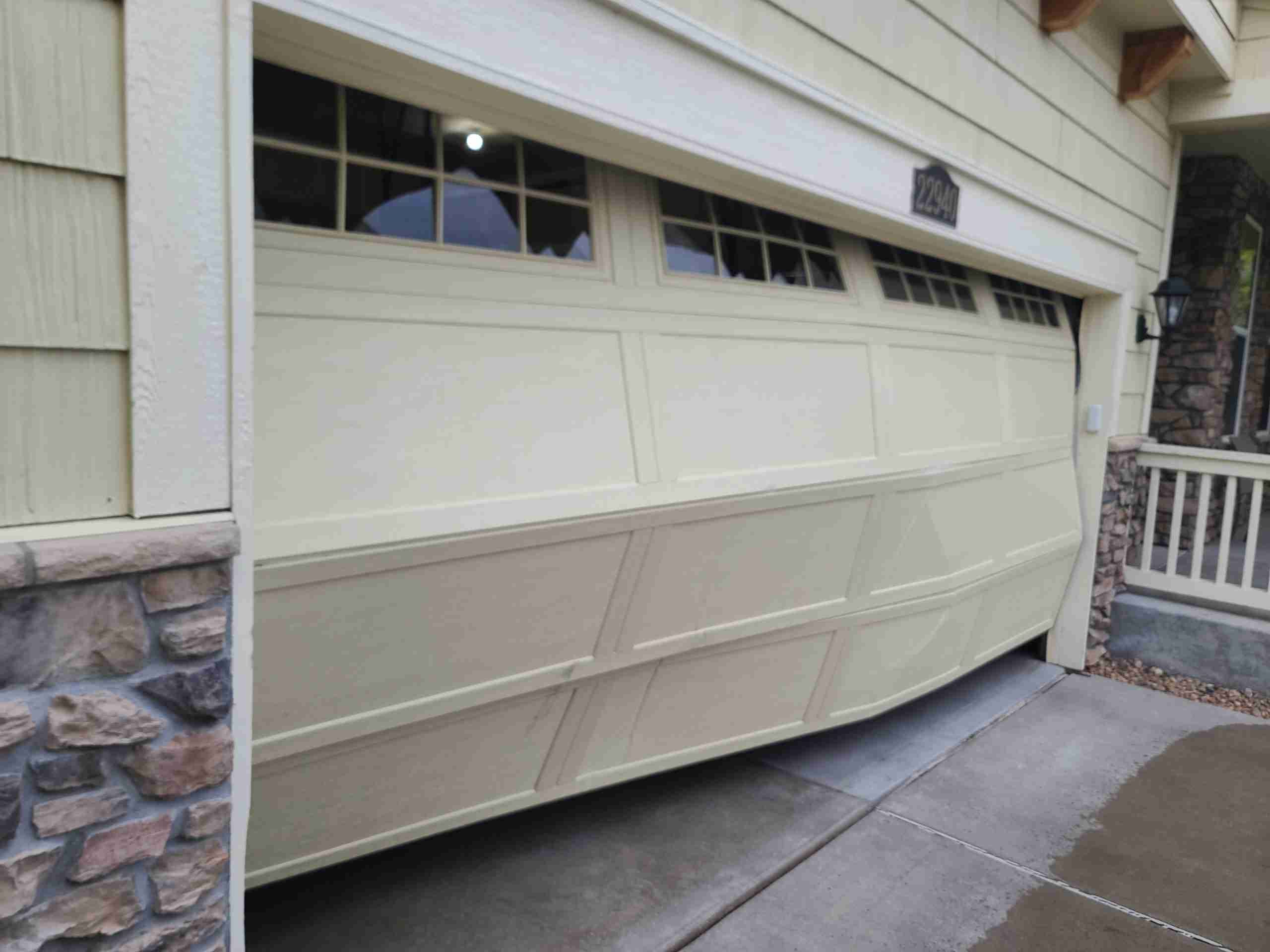
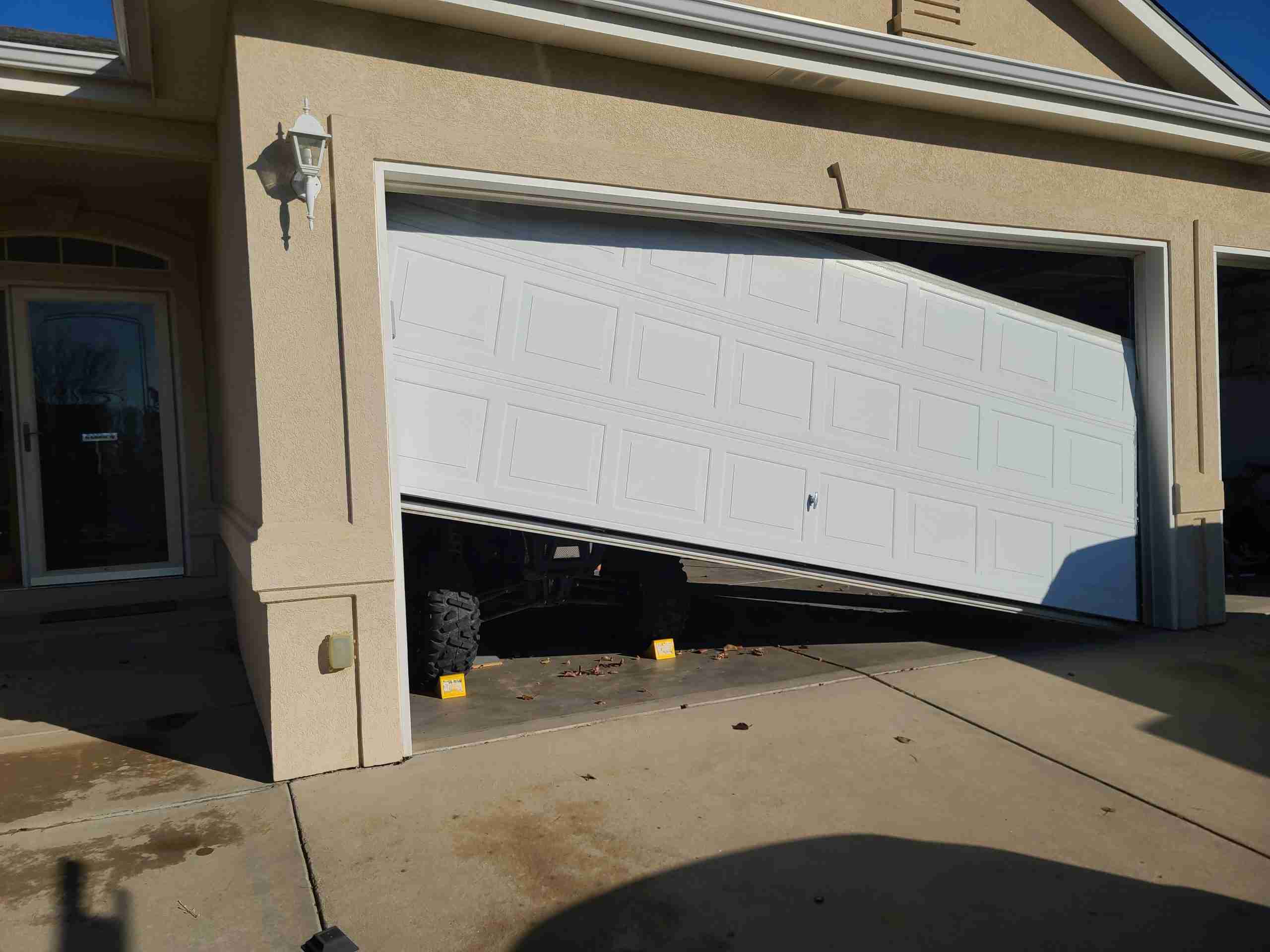
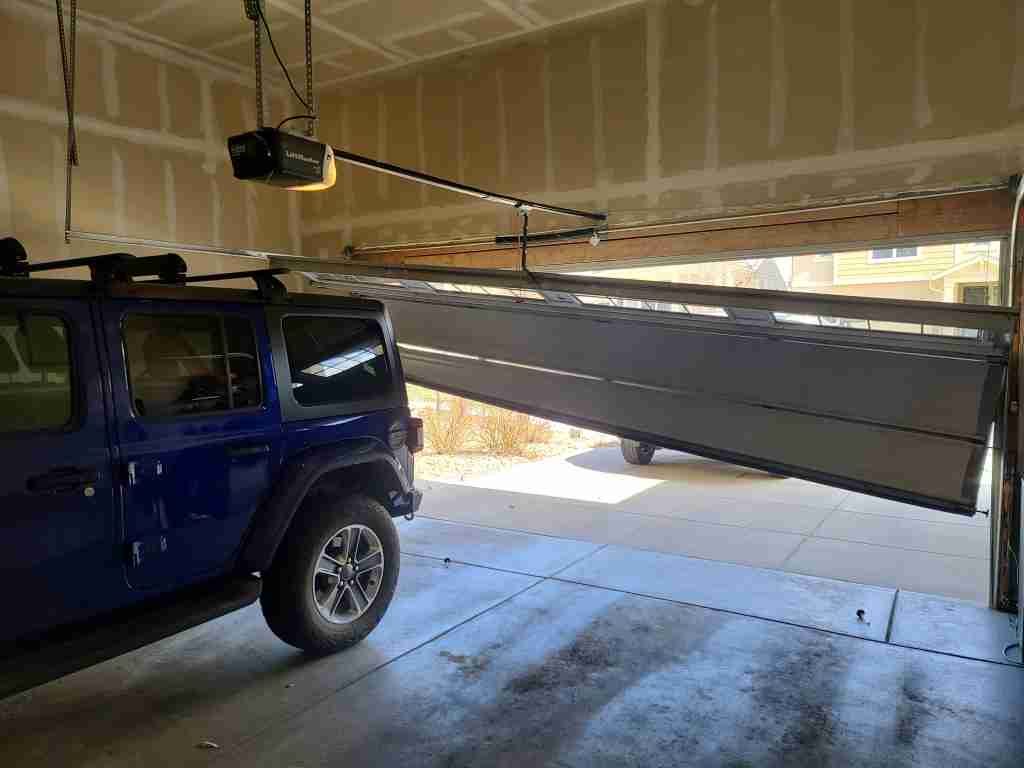
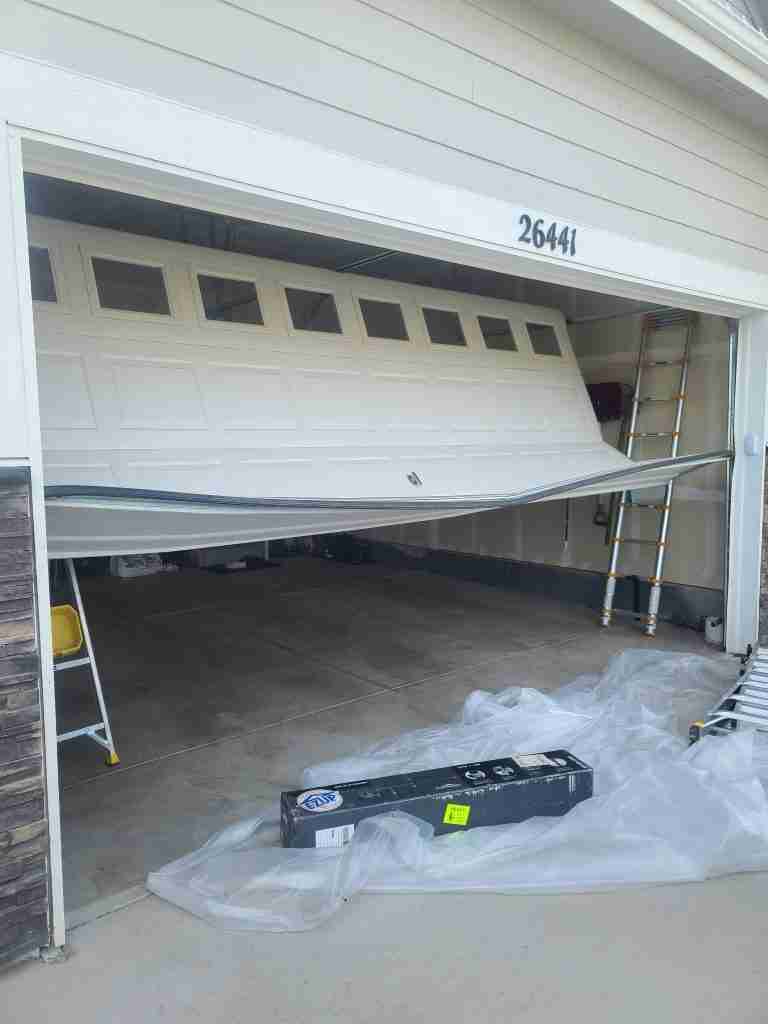
A roller that pops out can leave the door hanging crooked, and that often ends with garage door off track repair. If you see a roller out of the track, stop using the door.
Can You Replace Garage Door Rollers Yourself?
You can swap the rollers on the middle hinges without much trouble. Open the hinge, slide the old roller out, and slide the new one in. Work on one at a time with the door closed so the panel stays put, and wear gloves and eye protection.
The rollers on the bottom brackets are another matter. Those brackets hold the lift cables, and the cables are under heavy spring tension. Loosening one the wrong way can seriously hurt you. That same tension is why garage door spring repair is a job for a trained technician. Leave the bottom ones to a pro.
Safety note: Never loosen a bottom bracket on your own. It holds cable tension from the springs.
Simple Ways to Make Rollers Last
- Lube exposed bearings and hinges twice a year with a garage door lubricant. Keep it off the track.
- Wipe the tracks with a dry rag so grit doesn’t build up.
- Tighten loose hinge and bracket bolts every few months.
- Have the door inspected once a year.
Pick the Rollers That Match Your Garage
Neither type is right for every door. Nylon is quieter, doesn’t rust and needs less upkeep. Steel costs less and copes well with heavy doors. In humid South Florida, an attached garage usually points to sealed nylon rollers.
If you can’t tell what your door has now, the team at Ariel Garage Door Services can check your rollers and tracks during a visit and tell you what fits. Look at the bearing count and door weight before you buy, and replace the full set at once so the door stays balanced.
Get Your Rollers Checked
If you’re unsure which rollers your door needs, call garage door repair at (561) 677-2840 for a free on-site estimate. Our technicians check your rollers and tracks, then tell you what needs replacing. Same day service is available across South Florida.