Garage door springs carry almost all the weight of the door. Without them, you would be fighting gravity every time you tried to open or close it by hand. Most homeowners never think about their springs until one snaps, and by then they are stuck with a door that will not budge.
There are two main types of springs used on residential garage doors: torsion springs and extension springs. They both do the same basic job, but they go about it in very different ways. Knowing which one your door has, and which one might work better for your home, can save you money and a lot of frustration down the road. Below we will break down how each one works, where they hold up and where they fall short, and which type fits which kind of garage.
What Are Torsion Springs?
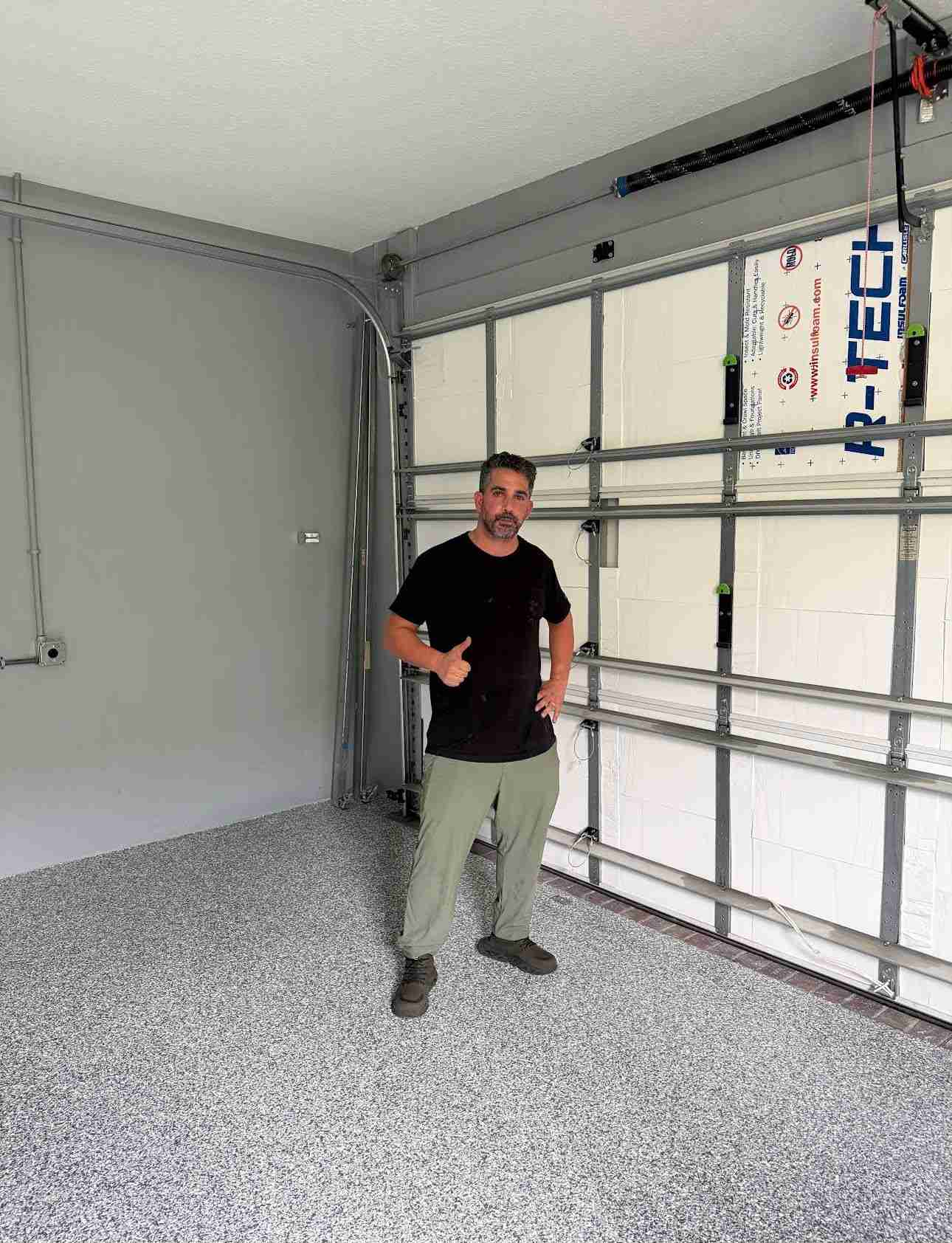
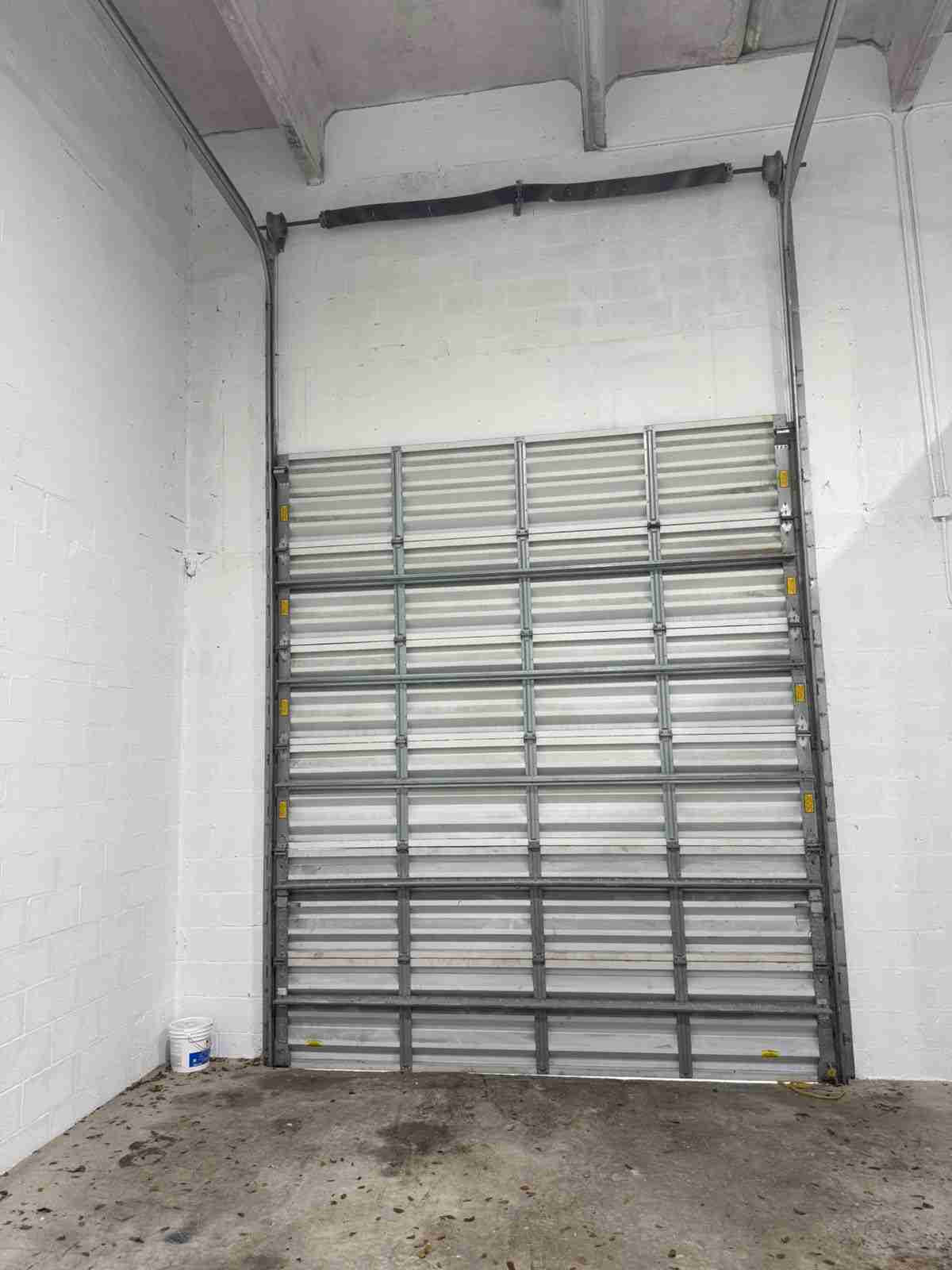
Torsion springs sit above the garage door opening, mounted on a metal shaft that runs horizontally across the top of the door. When the door closes, the shaft turns and the spring winds tighter, storing energy inside the coil. When you open the door, that stored energy releases slowly and lifts the door in a smooth, steady motion.
Most garages built in the last twenty years use torsion springs, and there is a reason for that. They tend to be more reliable, they last longer, and they give you a lot more control over how the door moves. If you ever need a garage door spring repair, chances are good a technician will recommend replacing torsion springs first, especially if your current setup is on the older side.
What Are Extension Springs?
Extension springs are mounted differently. Instead of one spring above the door, you usually get two springs running along the horizontal tracks on either side of the door. As the door closes, these springs stretch out. As it opens, they pull back and contract, and that pulling motion is what helps lift the door.
Extension springs were the standard option for many years before torsion springs became more common, so a lot of older homes still have them. They are simpler to manufacture, which is part of why they cost less. But that simplicity comes with some trade offs, and those show up more the longer the door is in use.
How to Tell Which Springs Your Door Has
You do not need any tools to figure this out. Just take a look above and around your garage door the next time it is closed.
- If you see one long spring running across a metal bar above the door, that is a torsion spring
- If you see two springs running along the tracks on either side of the door, near the top, those are extension springs
- Torsion springs are usually enclosed in a metal tube or bar and sit still while the door moves
- Extension springs are easier to spot moving, since you can watch them stretch and pull back as the door opens and closes
Torsion vs. Extension Springs: Quick Comparison
| Feature | Torsion Springs | Extension Springs |
|---|---|---|
| Location | Mounted above the door on a shaft | Mounted on either side, along the tracks |
| Motion | Twists to store and release energy | Stretches and contracts |
| Average lifespan | 15,000 to 20,000 cycles | 7,000 to 10,000 cycles |
| Door movement | Smooth and controlled | Can feel jerky, especially near the top |
| Upfront cost | Higher, usually $50 to $100+ per spring | Lower, usually $15 to $40 per spring |
| Headroom needed | Yes, 2 to 10 inches above the door | Minimal, works well in low ceiling garages |
| Noise level | Quieter operation | Can be noisier |
| Safety | Safer failure, less likely to fly | Needs safety cables or can become a hazard if it breaks |
How Torsion Springs Work
Think of a torsion spring like a wound up rubber band. When you close the door, the spring gets twisted tighter and tighter, and all that twisting stores energy inside it. When you open the door, the spring slowly unwinds and releases that energy, which is what makes a heavy door feel light enough to lift with one hand.
Because the spring unwinds at a steady rate, the door tends to move at the same speed the whole way up. That steady motion is easier on the rest of the door too, including the opener, the tracks, and the cables. It is one of the main reasons torsion springs hold up longer than the alternative, and why most garage door installation jobs use them by default unless the garage has very tight headroom.
How Extension Springs Work
Extension springs work more like a rubber band being pulled straight, not twisted. The lower the door is, the more the springs stretch, and the more pulling force they give. As the door gets higher, the springs relax and give less help. That is why some doors with extension springs feel strong at the bottom and a bit weak or jumpy near the top.
Because the springs are stretched to their limit every single time the door closes, they wear out faster than torsion springs do. That is also why safety cables matter so much here. If a spring snaps while it is fully stretched, it can let go with real force. A cable threaded through the spring keeps it from flying loose and turning into a hazard.
Pros and Cons of Torsion Springs
- Lasts significantly longer, often two to three times the cycle life of extension springs
- Provides smoother, more predictable door movement
- Generally quieter during operation
- Safer if a spring fails, since the shaft and mounting hold things in place
- Costs more upfront and needs a bit more headroom above the door
- Replacement usually requires a professional due to the high tension involved
Pros and Cons of Extension Springs
- Costs less to buy and replace
- Works well in garages with low ceilings or limited headroom
- Easier to spot a worn or broken spring since they sit out in the open on the tracks
- Wears out faster and may need replacement sooner
- Movement can feel less smooth, especially as the springs age
- Requires safety cables to reduce the risk of injury if a spring snaps
Which One Does Your Garage Actually Need?
For most homes, torsion springs are the better long term choice. They last longer, move the door more smoothly, and tend to be safer overall. If you are building a new garage or replacing an old door system entirely, torsion springs are usually worth the extra upfront cost.
That said, extension springs are not a bad option in every case. If your garage has low headroom and there is not enough clearance for a torsion shaft, extension springs might be your only practical choice. Budget matters too. If you are dealing with a tight repair budget and need something working again quickly, extension springs can get the job done, as long as safety cables are installed correctly. A local garage door spring replacement service can take a look at your specific setup and headroom before recommending one over the other.
How often you use your garage door matters too. A door that opens and closes several times a day will wear out extension springs faster than torsion springs, so daily use is worth thinking about. Size matters just as much as type. A spring that does not match your door’s weight will wear out fast no matter which kind it is, so getting the right measurements before installation makes a real difference.
Signs Your Springs Need Attention
- The door feels heavier than usual when opening by hand
- You notice a loud bang, which often means a spring has already snapped
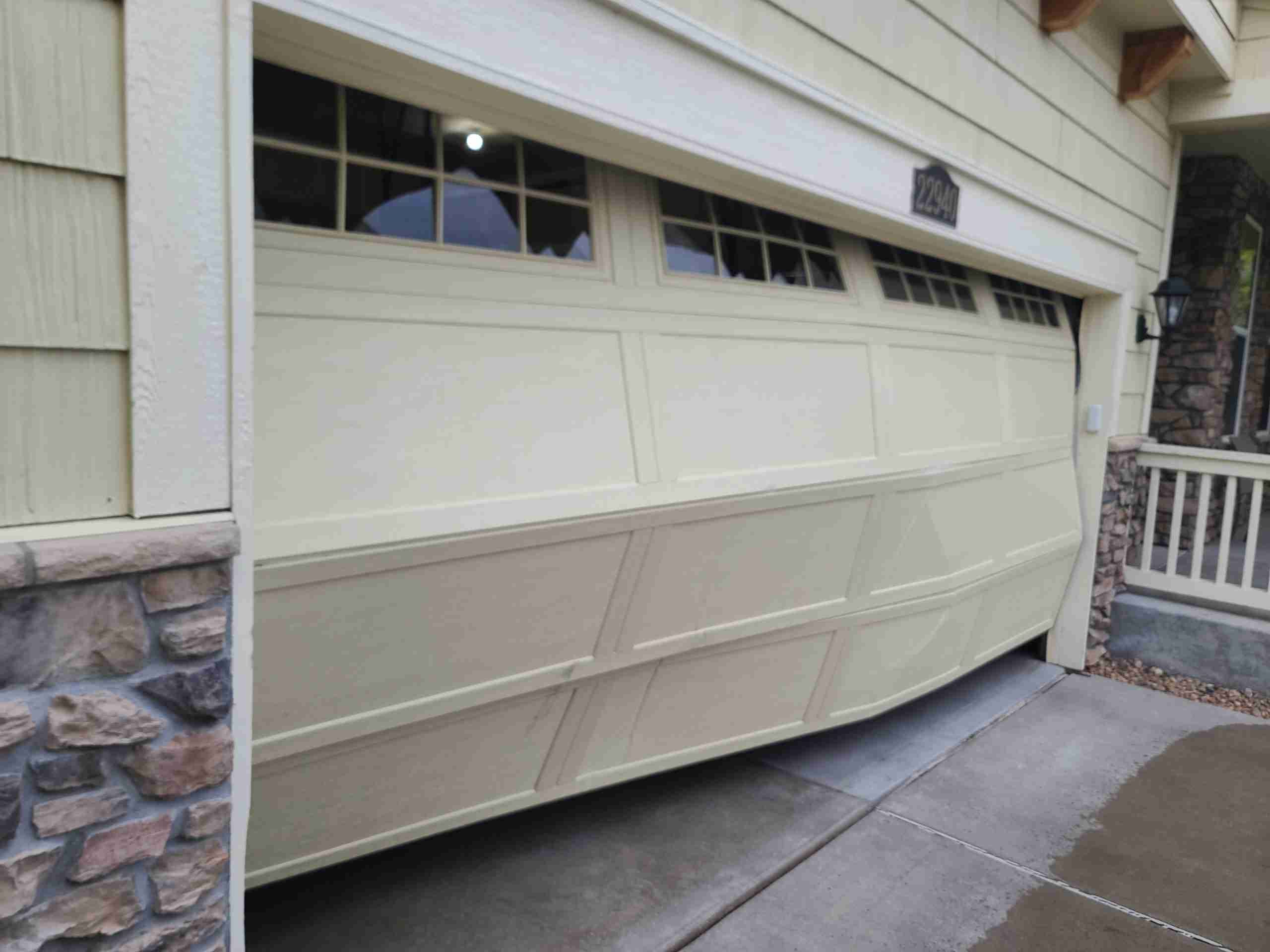
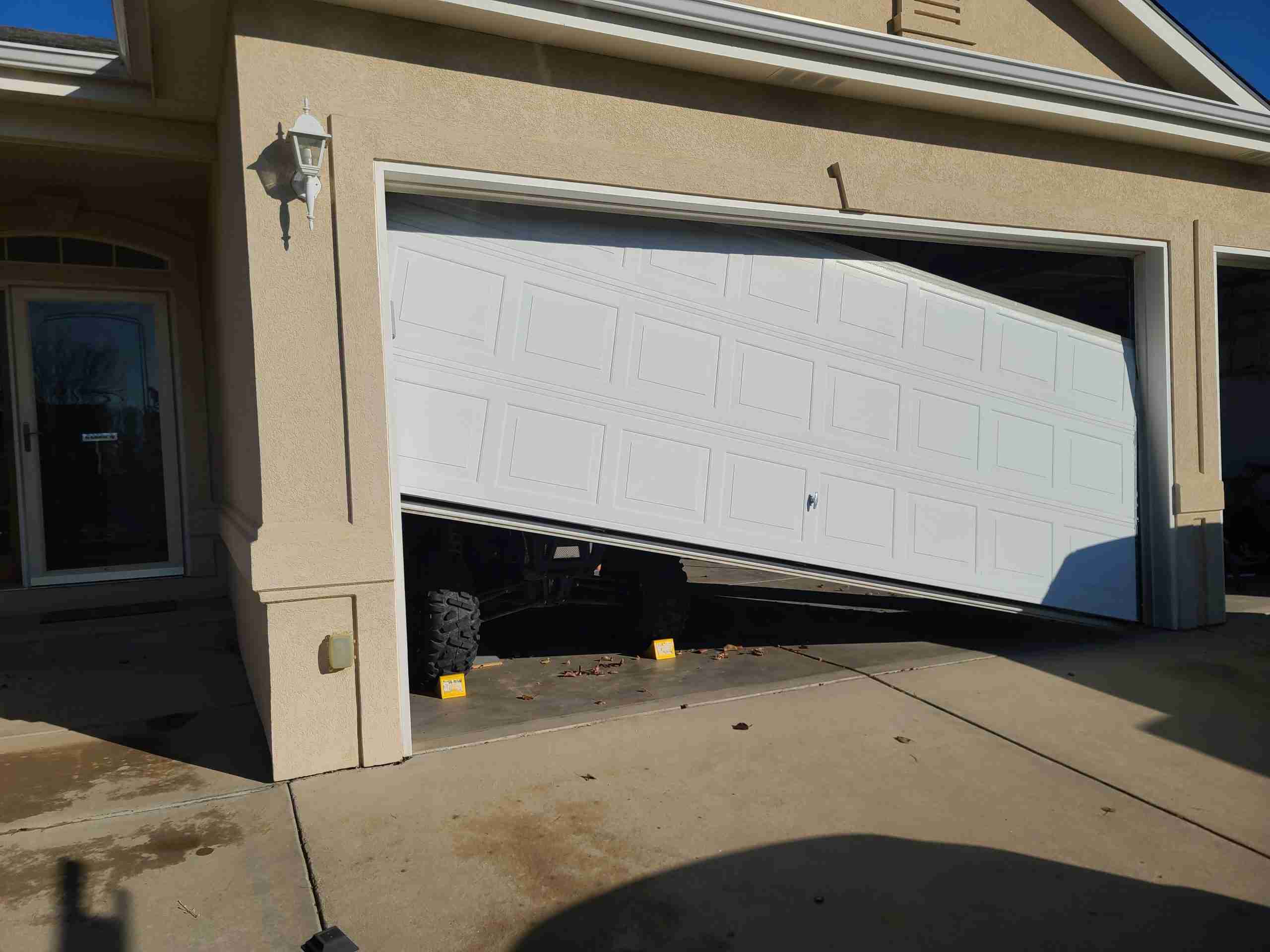
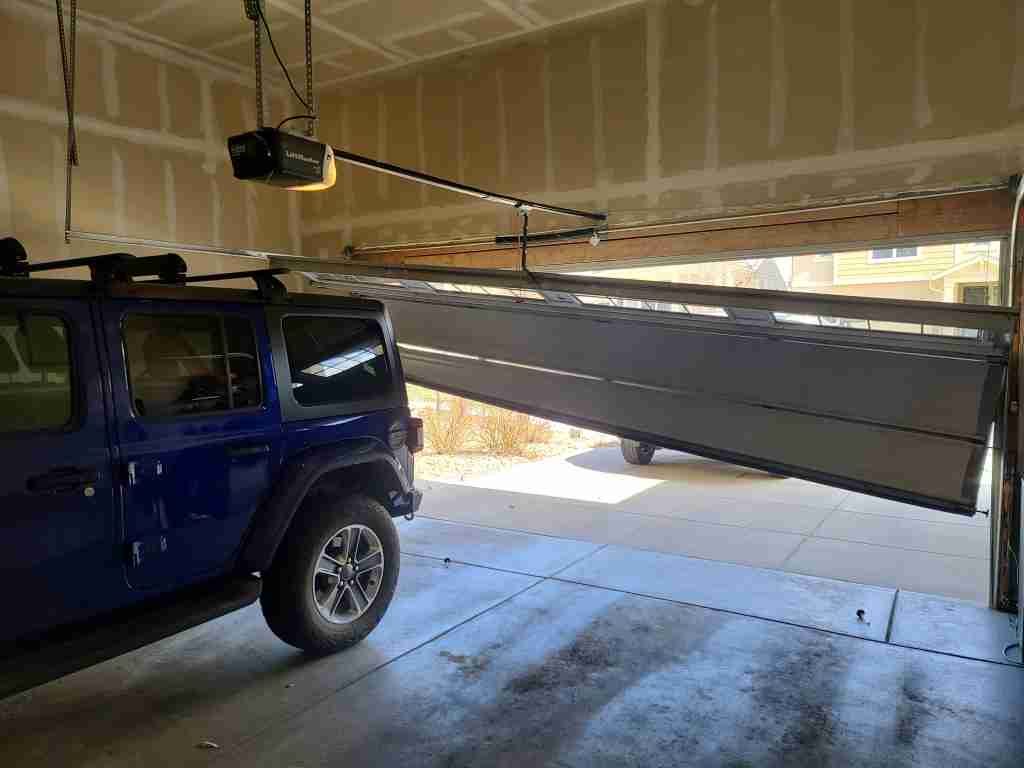
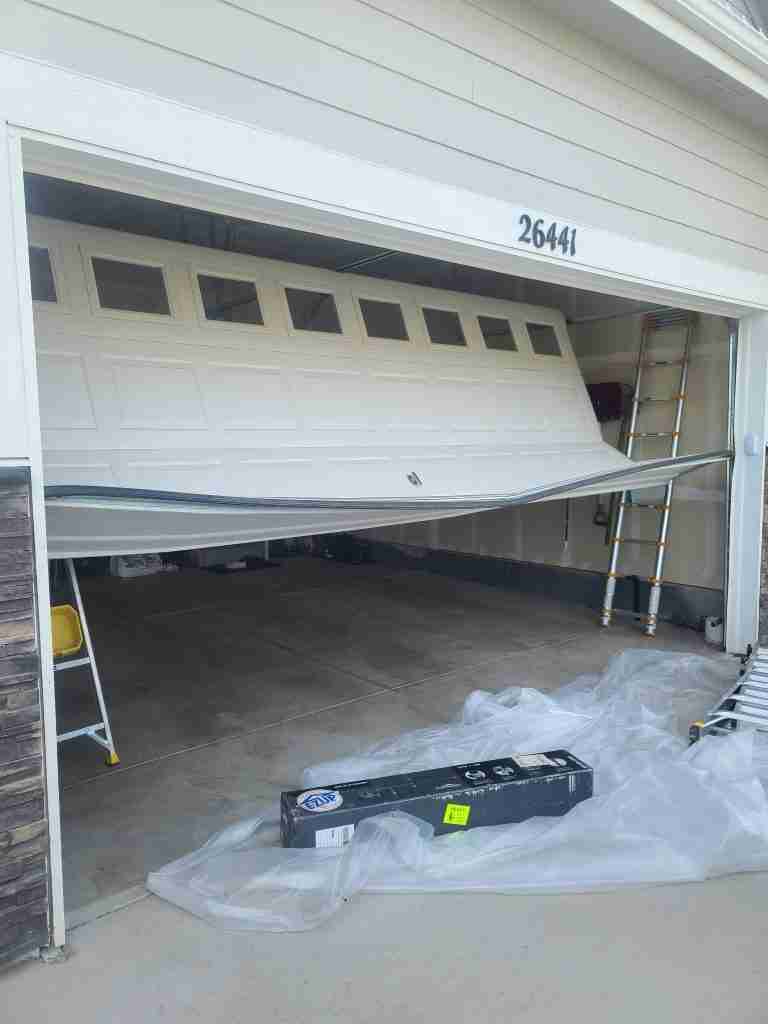
- The door looks crooked or uneven when it opens
- There is visible rust, gaps in the coil, or the spring looks stretched out of shape
- The garage door opener seems to be straining more than normal
If you spot any of these signs, it is best to stop using the automatic opener and get someone to look at the springs before continuing. Springs are under a lot of tension, and trying to fix them yourself is dangerous without the right tools and training. A same day garage door repair visit is usually enough to get things sorted before the problem gets worse.
Springs Are Small Parts With a Big Job
Garage door springs do not get much attention until they stop working, but they are one of the most important parts of the whole system. Once you know how torsion and extension springs actually work, it gets a lot easier to spot a problem early and make a decision you will not regret in a year or two.
If you are not sure which springs are on your door, or yours are getting old, noisy, or just do not feel right anymore, contact Ariel Garage Doors today. We will take a look, walk you through your options, and help you get the right springs on your door so it opens smoothly for years to come.