A noisy garage door is hard to ignore. The sound is loud and it usually means a part inside the system is wearing down or rubbing somewhere it should not be. Most people notice it first thing in the morning or late at night, when the house is quiet and every scrape from the garage sounds worse than it probably is.
A grinding noise almost always points to a specific part. It could be the rollers, the opener gears, the track, or the springs. Below are the most common reasons a garage door makes grinding noises, how to tell them apart, and what to do about each one. If you would rather have someone else sort it out, garage door repair from a trained technician can usually pin down the cause on the first visit.
Quick Reference: Noise Type and Likely Cause
| Sound You Hear | Most Likely Cause | Typical Fix |
|---|---|---|
| Sharp metal grinding during travel | Worn or dry rollers | Clean and lubricate, or replace rollers |
| Grinding only near the top or bottom | Bent track or loose bracket | Realign or tighten the track |
| Grinding coming from the motor unit | Worn opener gear | Replace the gear kit or opener |
| Grinding with a rattle | Loose hardware | Tighten bolts, brackets, and hinges |
| Grinding plus uneven movement | Spring or bearing wear | Spring or bearing replacement |
| Gritty, sandy grinding | Dirt or debris in track | Clean the track |
Two different problems can sound almost the same, so it helps to watch the door move while the noise happens and note where in the travel it starts.
Quick tip: Run the door with the lights on in the garage and stand off to the side. Watching the rollers and track while the door moves usually tells you more than listening alone.
Common Reasons Your Garage Door Grinds
A grinding sound is metal rubbing on metal, or metal rubbing on a surface it was never meant to touch. Below are the usual causes.
- Worn or dry rollers. Rollers that lose their lubrication or wear down unevenly will grind as they turn inside the track. Steel rollers tend to wear faster than nylon ones and grind sooner, and this is the most common reason people search for a garage door roller replacement. You will usually spot flat spots or rust on the roller itself once you take a close look.
- Bent or misaligned tracks. If the track bends even slightly, the rollers fight against the metal instead of gliding through it. A bend can come from a car bumping the track, a loose mounting bracket, or the door being forced open while something was stuck. The grinding usually happens at the exact spot where the bend sits.
- Old opener gears. Chain and belt drive openers have a plastic drive gear inside the motor unit. Once it wears out, it grinds against the metal housing, and the door may start moving slower or stall partway through the cycle. This is a common cause behind a garage door opener repair call, since the gear itself is a small, inexpensive part.
- Bad bearings. The torsion spring system sits on bearing plates at each end of the shaft above the door. When these bearings dry out or crack, they grind with every open and close, and the sound often carries through the whole garage since it sits right above the springs. Bearings are easy to miss during a quick look because they sit tucked behind the spring.
- Loose hardware. Bolts and brackets that have worked loose let parts shift and scrape against each other. A door cycles up and down hundreds of times a year, and that constant vibration slowly backs hardware out even when nothing else is wrong.
- Debris in the track. Dirt, leaves, or small pebbles stuck in the track can cause a gritty grinding sound as the rollers pass over them. Homes near the coast tend to pick up more sand and grit in the track, which speeds up wear on both the rollers and the track surface.
- Worn springs. A spring nearing the end of its life can rub against its shaft or the mounting bracket and create a grinding or grating noise. Torsion springs are rated for a set number of open and close cycles, usually around seven to twelve years of normal use, and grinding near the spring is often one of the last warning signs before it breaks.
Grinding Noise When Opening vs. When Closing
Where the grinding happens in the cycle is a useful clue. A garage door grinding noise when opening often traces back to the opener straining against a dry roller or a stiff spring, since that is the direction working against the most resistance. A garage door grinding noise when closing more often points to the track, since gravity is doing most of the work and the rollers are simply catching on a bend or a piece of debris on the way down.
Neither pattern rules the other causes out completely, and some doors grind in both directions once wear has spread past one part. Still, noting the direction before you call for garage door repair gives the technician a head start and can shorten the visit.
Is a Grinding Garage Door Dangerous?
A grinding noise by itself will not hurt anyone. The part causing it, though, can fail without much warning. Springs under tension are the biggest concern here. A worn spring that grinds can snap, and a broken spring under load can cause injury or damage to anything nearby.
Cables, bearings, and track brackets also carry weight, so grinding coming from any of these usually means the part is losing strength. Stop using the door once you hear grinding that does not clear up after a quick clean and check. Keep your car and anyone in the household away from the door path until it has been sorted out.
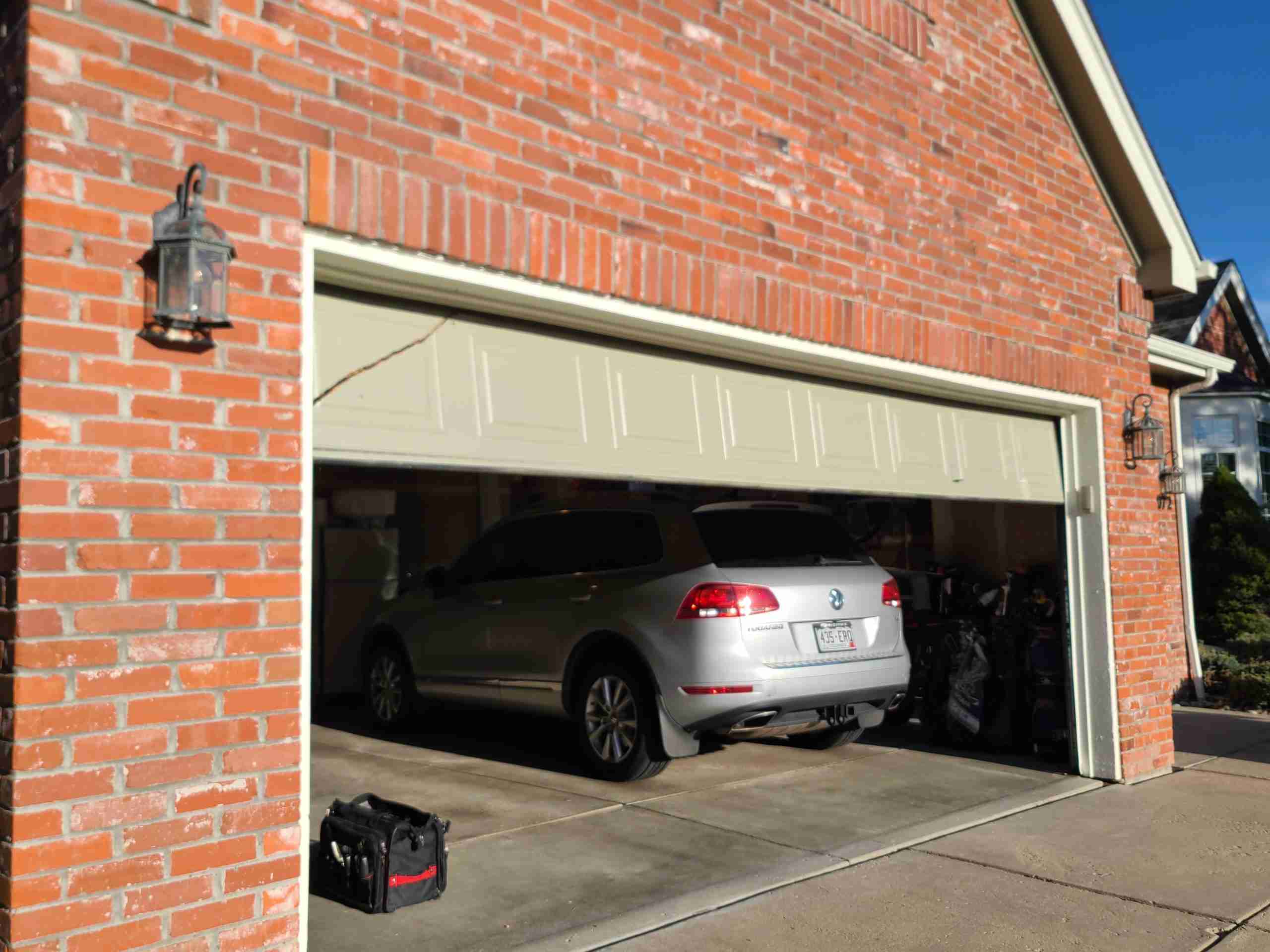
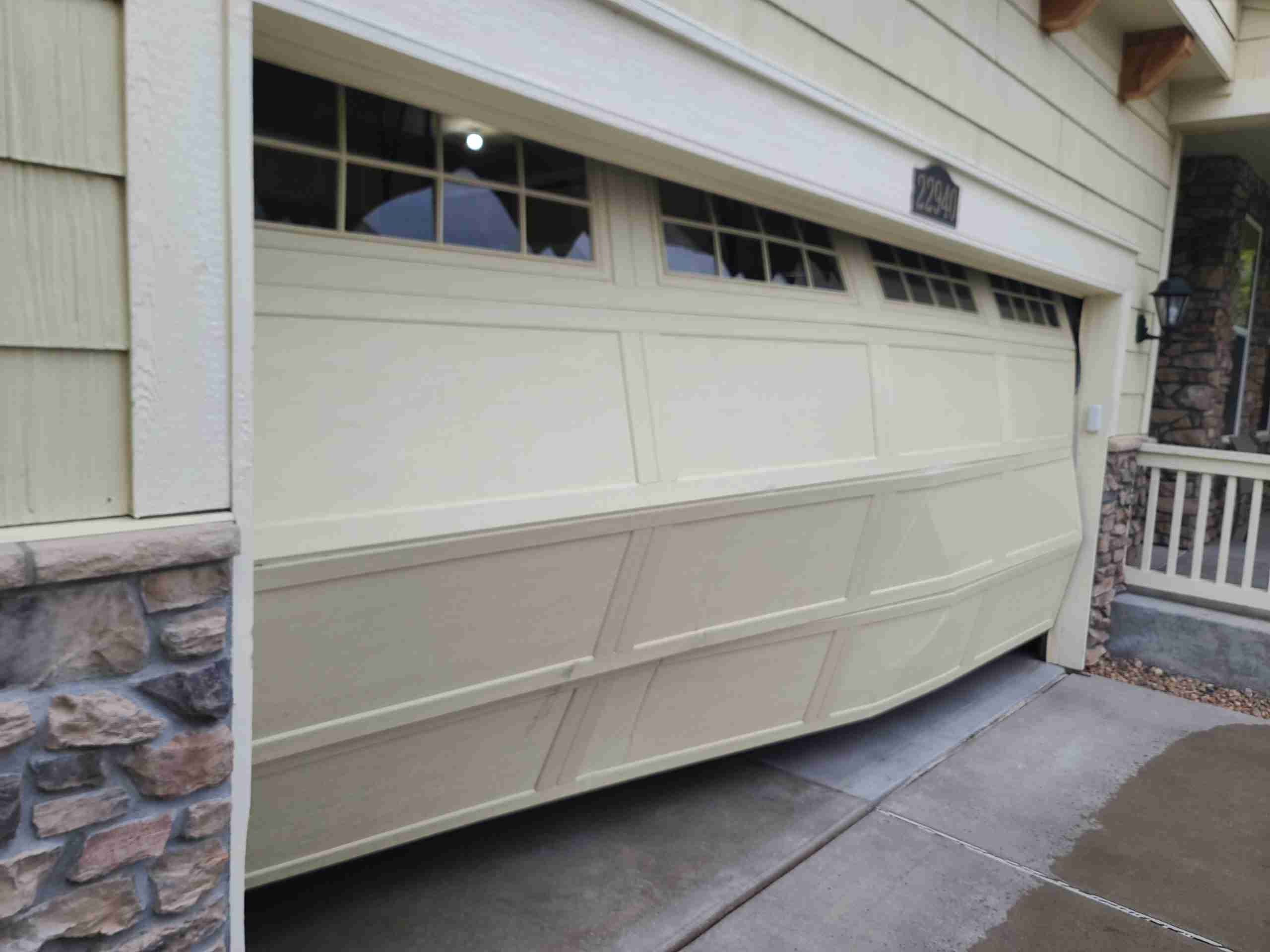
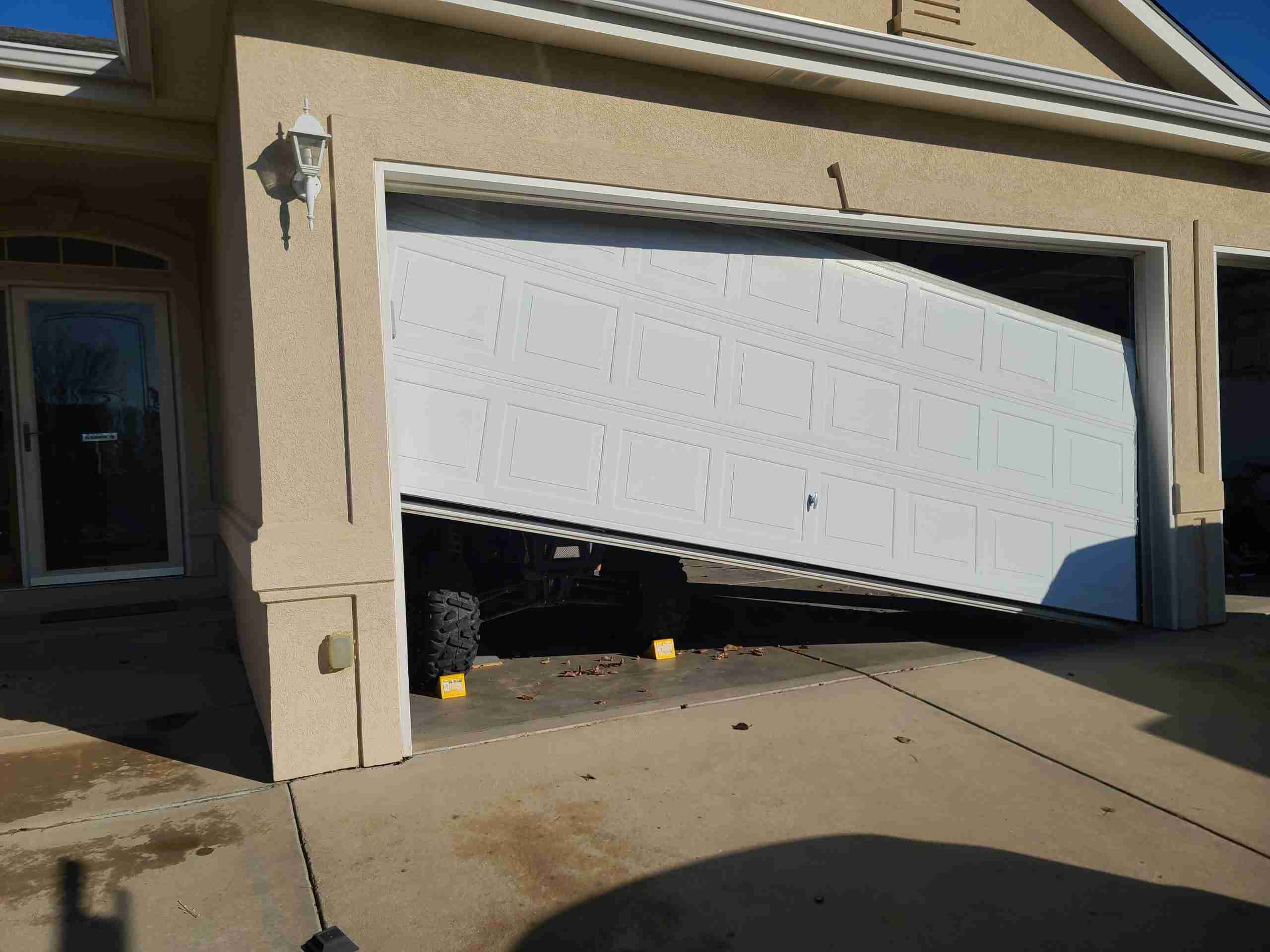
Safety Note: If the grinding comes with the door moving unevenly, sagging on one side, or stopping partway, do not force it open or closed. Treat it as a garage door stuck situation and get it checked before using it again.
What You Can Check Before Calling a Technician
Not every grinding noise needs a professional visit right away. Basic garage door maintenance can clear up a good number of these calls before they turn into repairs, so a few simple checks can narrow things down first.
- Look at the rollers while the door moves. If they look cracked, flat on one side, or rusted, that is your answer.
- Run your hand along the track, with the door closed and power disconnected, to feel for dents, gaps, or debris.
- Check the visible bolts on the hinges, brackets, and track for looseness.
- Listen for where the sound starts. A noise near the top of the door usually points to the opener or the spring system. A noise low on the track usually points to rollers or track alignment.
- Spray a garage door lubricant on the rollers, hinges, and springs, then run the door a few times to see if the noise softens.
If the noise does not improve, or if you spot a cracked spring, a bent track, or a roller that has come off its rail, stop testing and call someone. Forcing a door with a compromised spring or track can turn a repair into a replacement.
When to Bring in a Professional
Some grinding causes are simple enough to fix in an afternoon, like a dry roller or a loose bolt. Springs, cables, and bearing plates are a different story. They hold enough tension to cause a real injury if handled the wrong way, so those are best left to someone trained to work on them.
A technician will usually run the door a few times, check the balance, inspect every roller and hinge, and test the opener’s gear and sensors before saying what needs fixing. Garage door spring repair and bearing replacement are common outcomes once wear has gone past what a simple lubrication fix can handle. If the opener is the source of the grinding, garage door opener repair can often solve it without a full opener replacement, though very old units sometimes make replacement the better option.
Grinding Gears Are Trying to Tell You Something
A grinding garage door is rarely a mystery once you know what to check. Rollers, tracks, gears, bearings, and springs are the usual causes, and most of them show warning signs before they fail completely. Check the obvious spots first, then call for help once a part looks worn or the sound does not clear up on its own.
Ready to Get That Noise Fixed?
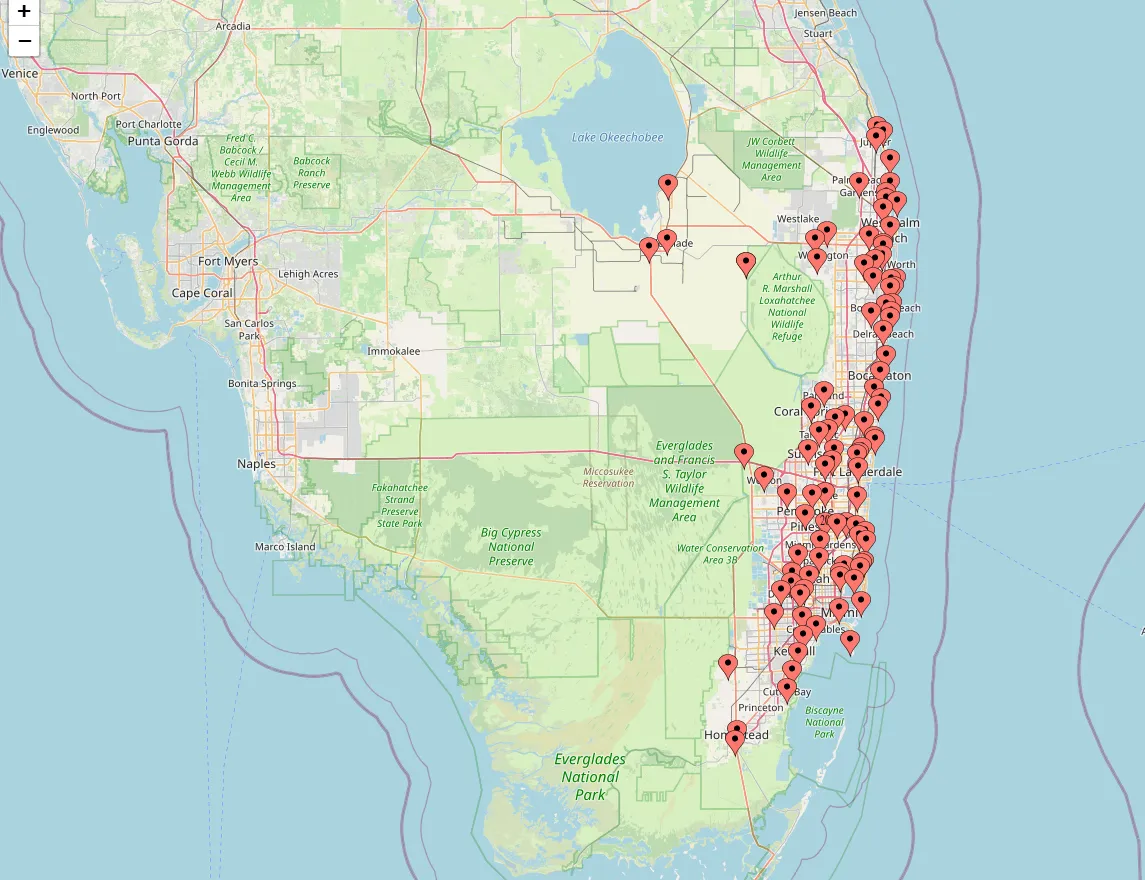
Ariel Garage Door Services covers Broward, Miami-Dade, and Palm Beach counties, with same-day help available for stuck, off-track, or grinding doors. Call (561) 677-2840 or book a service online.