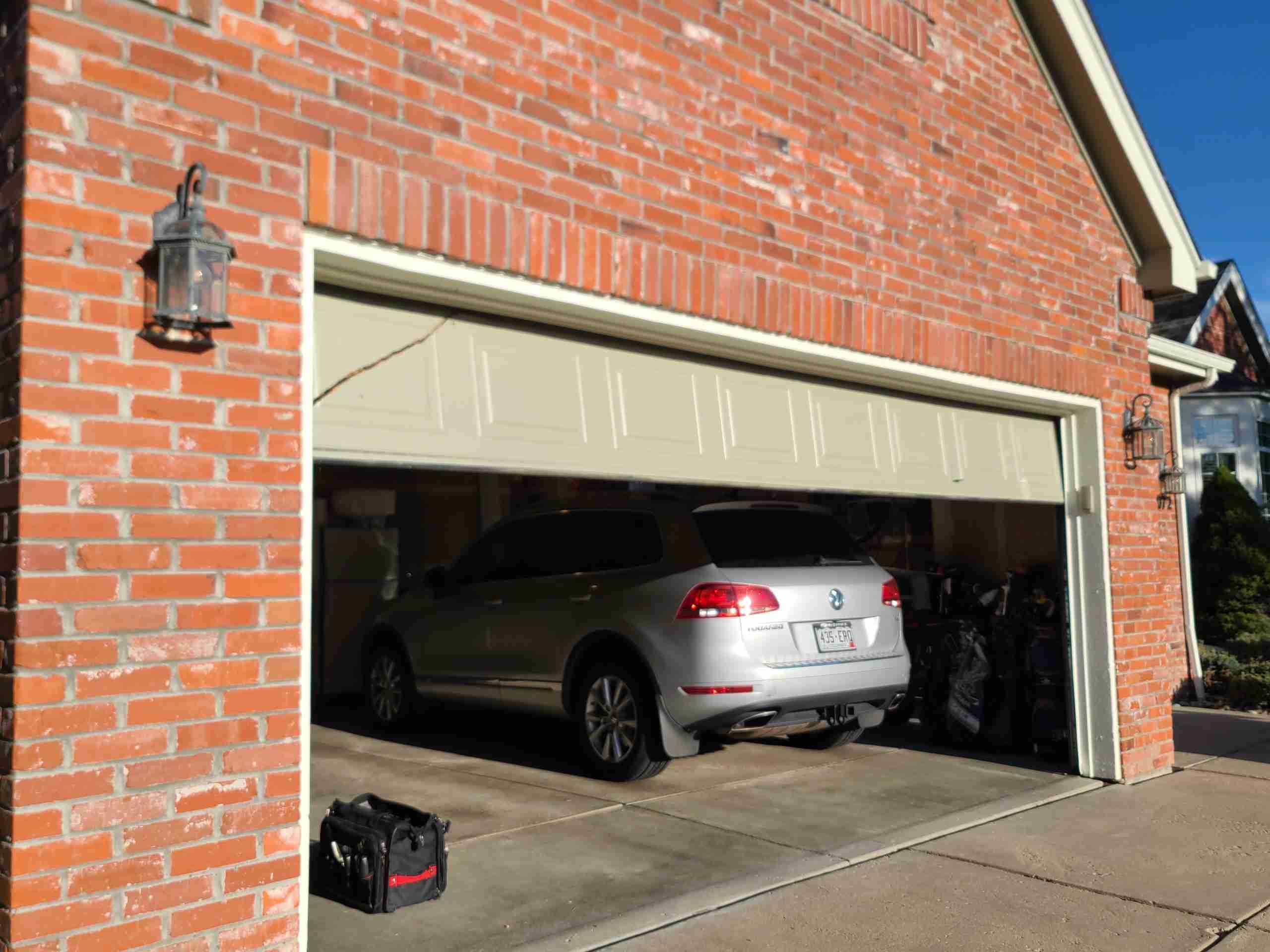
If your garage door sounds like it is grinding gravel every time it opens, the rollers are probably to blame. Most homeowners think about springs or the opener when something goes wrong, but rollers are just as important. They are the small wheels that guide your door up and down the track, and when they wear out, everything about your door gets harder.
Most people ignore rollers until they become a bigger problem. A worn roller does more than make noise. It puts extra strain on your springs, cables, and opener, and it can even cause the door to jump the track. Below, we cover what rollers do, how to spot the signs of wear, and why waiting too long usually costs more.
What Do Garage Door Rollers Actually Do?
Every garage door has a set of rollers attached along its sides. These rollers sit inside the vertical and horizontal tracks and let the door glide smoothly as it opens and closes. Without them, the door would just scrape against the track and probably get stuck within a few uses.
Rollers come in a few different materials. Plastic rollers are the cheapest and quietest, but they do not last as long. Steel rollers are tough but tend to be loud, especially without regular lubrication. Nylon rollers with sealed bearings are usually the best middle ground. They run quiet, hold up well, and do not need much upkeep. Whatever type you have, they all wear down eventually from friction, weather, and general use.
Signs Your Garage Door Rollers Need Replacing
You do not need to be a technician to spot bad rollers. Most of the time, your door will tell you something is wrong long before it fails completely. Here are the signs worth paying attention to:
- Loud grinding, squeaking, or rattling noises when the door moves
- The door shakes or wobbles instead of moving in a smooth line
- Visible cracks, chips, or flat spots on the roller wheels
- The door moves slower than usual or gets stuck partway
- Rust buildup on the roller stems or bearings
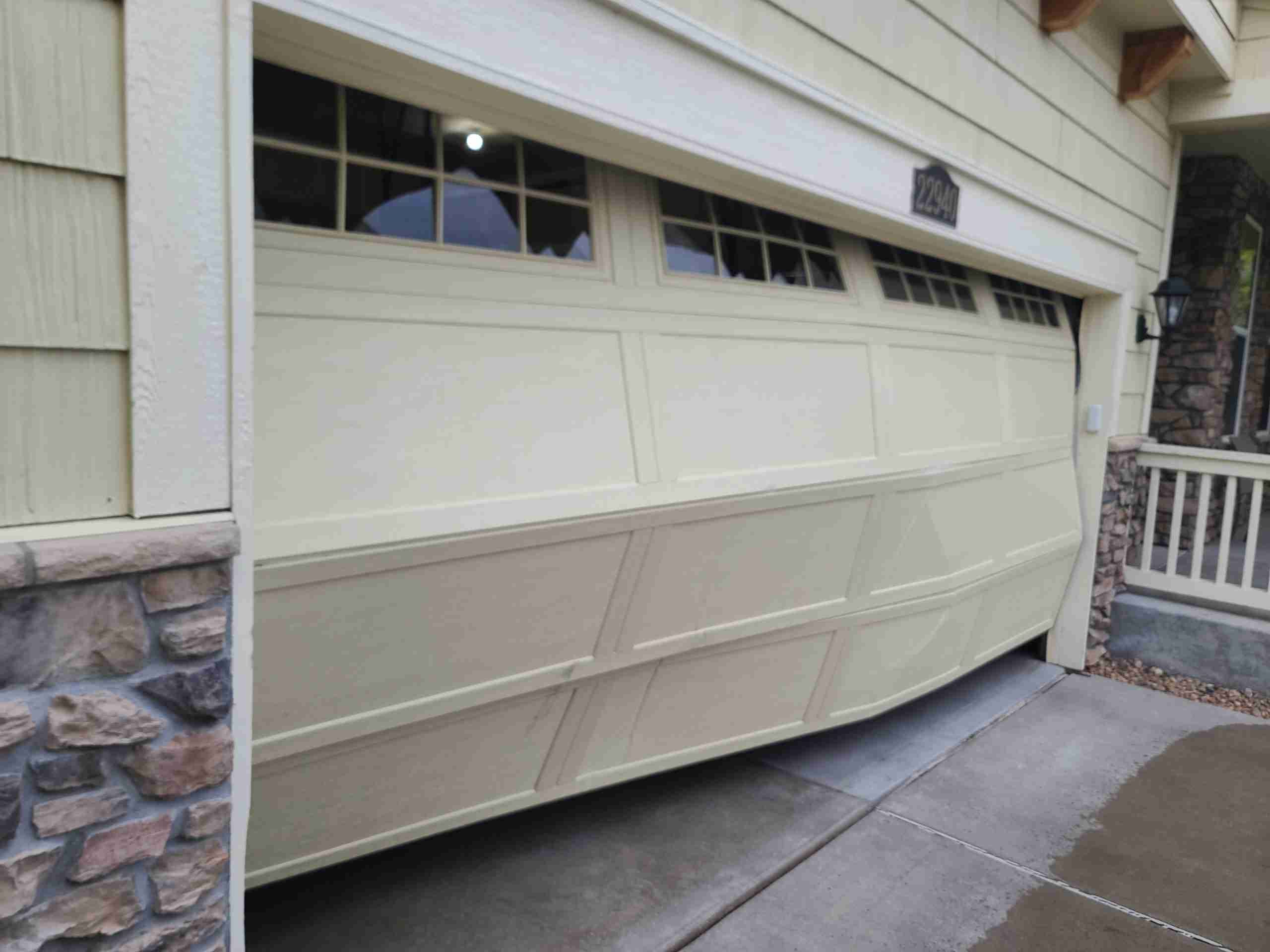
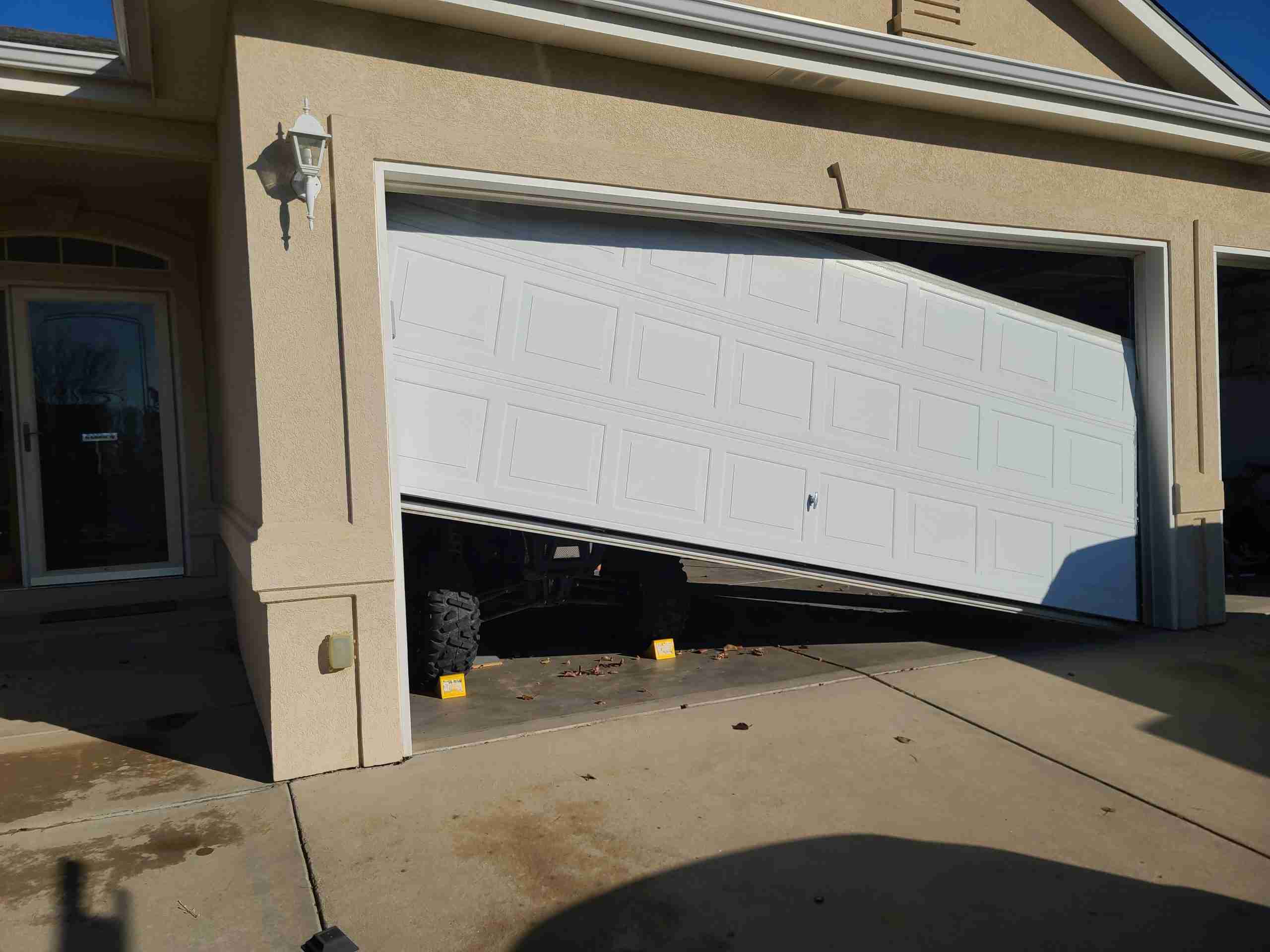
- The door looks slightly crooked or uneven in the track
If you notice two or more of these at once, get the rollers checked before they cause bigger issues. A quick inspection now can save you an emergency call later.
Salt air and humidity speed up rust on garage door hardware in South Florida, so homes near the coast tend to wear out rollers faster than homes further inland. Age plays a part too. Most rollers last seven to ten years with normal use, though a door that opens and closes several times a day will wear down faster than one used once or twice.
Why Ignoring Worn Rollers Is a Bad Idea
A lot of homeowners put off roller replacement because the door still technically works. A worn roller rarely fails on its own though. It drags other parts of the system down with it. When a roller sticks or wobbles, the opener has to work harder to pull the door along the track, and that extra strain wears out the motor faster than it should.
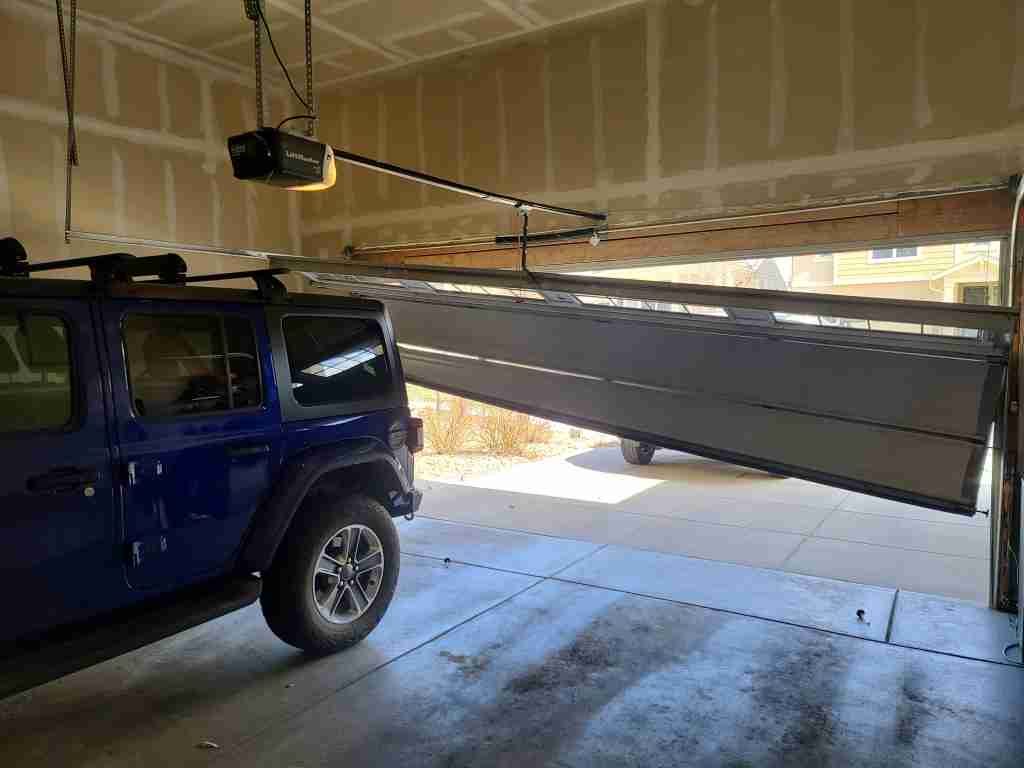
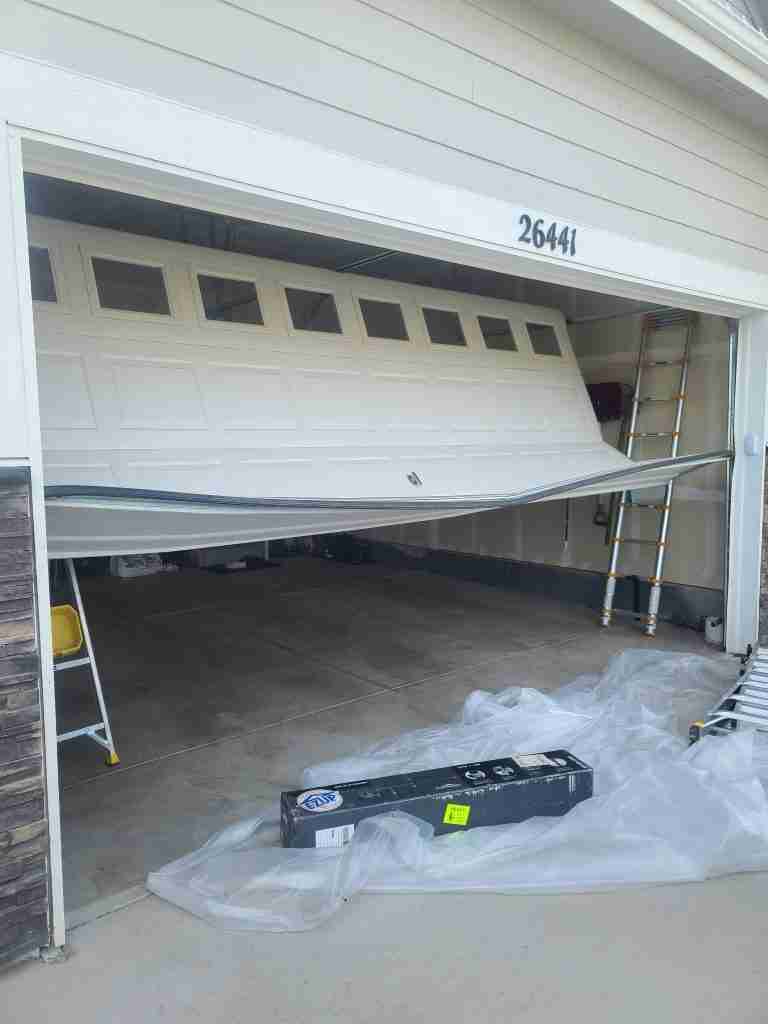
Worn rollers also put uneven pressure on your cables and springs. If one side of the door drags while the other moves freely, the door can twist slightly in the track. That twisting is a common reason doors jump off track entirely, and that repair costs a lot more than a set of rollers. Catching a bad roller early is almost always cheaper than fixing the damage it causes later.
Garage Door Roller Replacement Cost Factors
Roller replacement cost depends on a few things: the material you choose, how many rollers need swapping, and whether the track needs adjustment at the same time. The table below shows what tends to drive the price up or down.
| Factor | Why It Matters |
|---|---|
| Roller material (plastic, steel, or nylon) | Nylon rollers cost more upfront but last longer and run quieter |
| Number of rollers replaced | Doors typically have 10 to 12 rollers, and replacing all at once is usually more cost-effective than one at a time |
| Track condition | Bent or misaligned tracks add labor time and may need separate adjustment |
| Door weight and size | Heavier doors, like wood or insulated steel, need sturdier rollers rated for the extra load |
| Access and door type | Double doors or doors with limited headroom can take longer to service |
Replacing rollers in a full set rather than one or two at a time is usually the smarter move. If one roller has worn out, the others are likely close behind, since they all go through the same use and exposure. Doing them together also means the door moves evenly instead of favoring one side.
Why You Should Replace Rollers When You Replace Your Opener
There is no hard rule saying rollers must be replaced whenever you replace your opener. If the rollers are still in good shape, they can stay right where they are. The reason technicians often suggest doing both at the same time comes down to how the two parts work together, not just convenience.
- A new opener is built to move a door that rolls freely. Worn rollers add friction, so the motor has to work harder, which puts extra strain on the drive system and can shorten the opener’s lifespan.
- Openers usually get replaced after ten to fifteen years, which is close to how long original rollers tend to last too. Even if they have not failed yet, rollers that old may have worn bearings, flat spots, loose stems, or cracked wheels.
- Old, rattling rollers can cancel out the benefit of a new opener. A quiet belt-drive opener still sounds rough if steel rollers are grinding down the track underneath it.
- Replacing worn rollers during the opener job lowers the odds of a roller failing a few weeks later and needing a separate service call.
- A proper opener installation usually includes checking the springs, hinges, tracks, cables, and door balance anyway, so a tech will likely spot roller wear during that same visit.
- Bad rollers can cause the door to shake, vibrate, or travel unevenly even with a brand new opener, and that extra stress passes straight to the hinges and tracks.
This is not a checklist that applies to every roller. But if a technician flags cracked wheels, flat spots, or loose stems while installing your opener, handling both at once usually beats scheduling a second visit for the same door a month later.
DIY vs Professional Roller Replacement
Some homeowners try to replace rollers themselves, and for basic plastic rollers on a lightweight door, it is possible with the right tools and some caution. Garage doors sit under constant spring tension though, and working near that tension without experience can be dangerous.
Professional replacement usually includes a full inspection of the tracks, hinges, and cables, not just the rollers. A roller rarely wears out on its own. If the track is slightly bent or the hinges are loose, new rollers will wear out faster too. A trained eye can catch those related issues before they turn into separate repairs, and a proper adjustment afterward keeps the whole system balanced.
| Features | DIY Replacement | Professional Replacement |
|---|---|---|
| Best for | Basic plastic rollers on a light door | Any roller type, especially on heavier or insulated doors |
| Tools needed | Pliers, vice grips, replacement rollers | Full toolkit plus track and balance equipment |
| Spring tension risk | Higher, since the top rollers sit near the tensioned cable | Handled by someone trained to work around it safely |
| Related parts checked | Usually just the rollers | Tracks, hinges, cables, and door balance |
| Time investment | A few hours, more if something goes wrong | Typically completed in one visit |
| Warranty coverage | None on labor | Parts and labor usually covered |
If your door has ever come off its track before, that is usually a sign the rollers and the alignment should be checked together, not treated as two separate problems.
Simple Roller Maintenance Tips
Good maintenance can stretch the life of your rollers by a couple of years, and most of it takes just a few minutes.
- Lubricate rollers every three to six months with a silicone-based garage door lubricant
- Avoid WD-40 or heavy grease, since they attract dust and grime
- Wipe down tracks regularly to clear dirt, leaves, and salt residue
- Check for wobble or noise once a month, especially in coastal areas
- Tighten loose roller brackets if you notice movement in the hardware
- Schedule a yearly checkup as part of general garage door safety maintenance
A few minutes a month with a lubricant and a rag is usually enough to keep rollers running quiet and catch problems while they are still small.
Keeping Your Garage Door Running Smooth for the Long Haul
Rollers are a small part, but they do a lot of the work every time your door opens or closes. A worn set puts stress on your springs, cables, and opener, and if you leave it alone, it usually leads to a bigger repair down the line. Watch for the small signs. Noise, wobble, cracks, and slow movement all mean the same thing, and catching them early keeps the fix simple and affordable.
If your garage door has been sounding rough or moving unevenly, do not wait for it to get worse. Reach out to Ariel Garage Door Services and we will take a look, check your rollers, tracks, and hardware, and get your door moving quietly and safely again.
Frequently Asked Questions
How often should garage door rollers be replaced?
Most rollers last between seven and ten years with regular use. Homes in humid or coastal areas, like much of South Florida, may need replacement sooner due to rust and corrosion.
Can I replace just one roller instead of the whole set?
You can, but it is usually not the best approach. If one roller is worn, the rest are likely close behind, and replacing them together keeps the door balanced and moving evenly.
What is the best type of garage door roller?
Nylon rollers with sealed bearings are generally the best choice. They run quieter than steel and last longer than plastic, though they cost a bit more upfront.
Is a noisy garage door always a roller problem?
Not always, but it is one of the most common causes. Loose hardware, dry hinges, or an aging opener can also cause noise, so a full inspection helps pinpoint the exact source.
How much does garage door roller replacement typically cost?
Cost depends on the roller material, how many need replacing, and whether the track needs adjustment. A full set replacement is usually more cost-effective than replacing rollers one at a time over several visits.