A garage door remote that suddenly stops working is one of the most common issues homeowners run into. You press it a few times, nothing happens, and it is tempting to think the whole opener has died on you. Most of the time though, the fix is a lot simpler than people expect.
Before you assume you need a brand new system, it helps to walk through the usual suspects first. Some issues take two minutes to solve. Others point to something bigger going on with your garage door opener repair needs. Either way, knowing the difference saves you time and saves you from paying for a repair you did not actually need.
Common Reasons Your Garage Door Remote Stops Working
There are a handful of reasons a remote quits on you, and most of them are pretty ordinary once you know what to look for.
- Dead or weak battery: this is the number one reason, by far. Remotes run on small batteries that slowly lose power, and the signal gets weaker before it disappears completely.
- Signal interference: LED lights, Wi-Fi routers, baby monitors, and even some car alarms can interfere with the frequency your remote uses.
- Remote is out of range: if you are parked further from the garage than usual, or there is a new obstruction like a parked truck, the signal may not reach.
- Opener antenna problems: the small antenna hanging from your garage door opener motor can get bent, damaged, or covered in dust, which weakens reception.
- Remote not programmed correctly: sometimes a power outage or opener reset wipes the memory, and the remote just stops being recognized.
- Physical damage to the remote : dropped remotes, water damage, or a cracked circuit board inside can all stop it from sending a signal.
- Opener logic board failure: this is less common, but the part inside the opener that receives the signal can wear out over time.
What Usually Happens First
The battery is almost always the first place to check, though most people do not think to look there first. People tend to assume something complicated is wrong because the remote used to work fine yesterday. Batteries usually give out slowly rather than all at once. The remote loses a bit of range, then it barely reaches from the driveway, and eventually it stops responding altogether.
If you swap the battery and the problem sticks around, that is usually when something inside the opener itself needs attention. A garage door opener repair is often less about the remote and more about the receiver unit not picking up the signal properly. This is where a lot of homeowners get stuck, because there is no obvious sign of what is wrong. The door still moves fine with the wall button, but the remote just will not talk to it anymore.
Quick Fixes You Can Try at Home
Before calling anyone, run through this short list. It covers most of what actually fixes the problem.
- Replace the battery with a fresh one, even if the old one seems okay
- Clean the remote’s contact points with a dry cloth
- Stand closer to the garage door and try again
- Check if the antenna on the opener motor is hanging down and not tangled or bent upward
- Reprogram the remote using your opener’s manual or the buttons on the motor unit
- Test a second remote if you have one, to confirm if it is the remote or the opener
- Reset the opener by unplugging it for about 30 seconds, then plugging it back in
When the Problem Is Bigger Than the Remote
Sometimes none of the quick fixes work, and that usually means the issue has moved past the remote itself. If your wall-mounted button also stops responding, or the door starts behaving strangely even with a working remote, that points toward the opener’s internal wiring or logic board rather than anything you can fix by swapping a battery.
This is also worth mentioning if your door has been struggling with other issues lately, like moving slower than usual or making odd noises when it opens. Those symptoms combined with a dead remote often mean the opener is simply getting old. Openers do not last forever, and after ten or so years of daily use, the internal parts wear down the same way any mechanical system does. At that point, a garage door installation can sometimes make more sense than paying for repeated repairs.
| Symptom | Likely Cause | What To Try |
|---|---|---|
| Remote works up close but not from the driveway | Weak battery or antenna issue | Replace the battery and check the antenna position. |
| Remote does nothing at all | Dead battery or lost programming | Replace the battery and reprogram the remote. |
| Wall button works, remote does not | Remote-specific fault | Reprogram or replace the remote. |
| Neither remote nor wall button works | Opener receiver or power issue | Check the opener power and inspect the wiring. |
| Door opens on its own or with delay | Interference or aging logic board | Rule out nearby devices and consider a professional service check. |
A Few Things People Often Overlook
- Cold weather can shorten battery life faster than people expect, especially with older remote models
- Universal remotes sometimes lose their programming after any change to the opener’s settings
- Rolling code openers made after the late 1990s need proper reprogramming steps, and skipping one step can stop the process from working
- If your garage was recently near construction or new electronics were installed nearby, that could be causing new interference
- A remote left in a hot car for a long time can suffer battery drain or internal damage over time
- Sticking to a few basic garage door maintenance tips throughout the year can catch some of these problems before they turn into a dead remote at the worst possible time
When It Might Be Something Related to the Door Itself
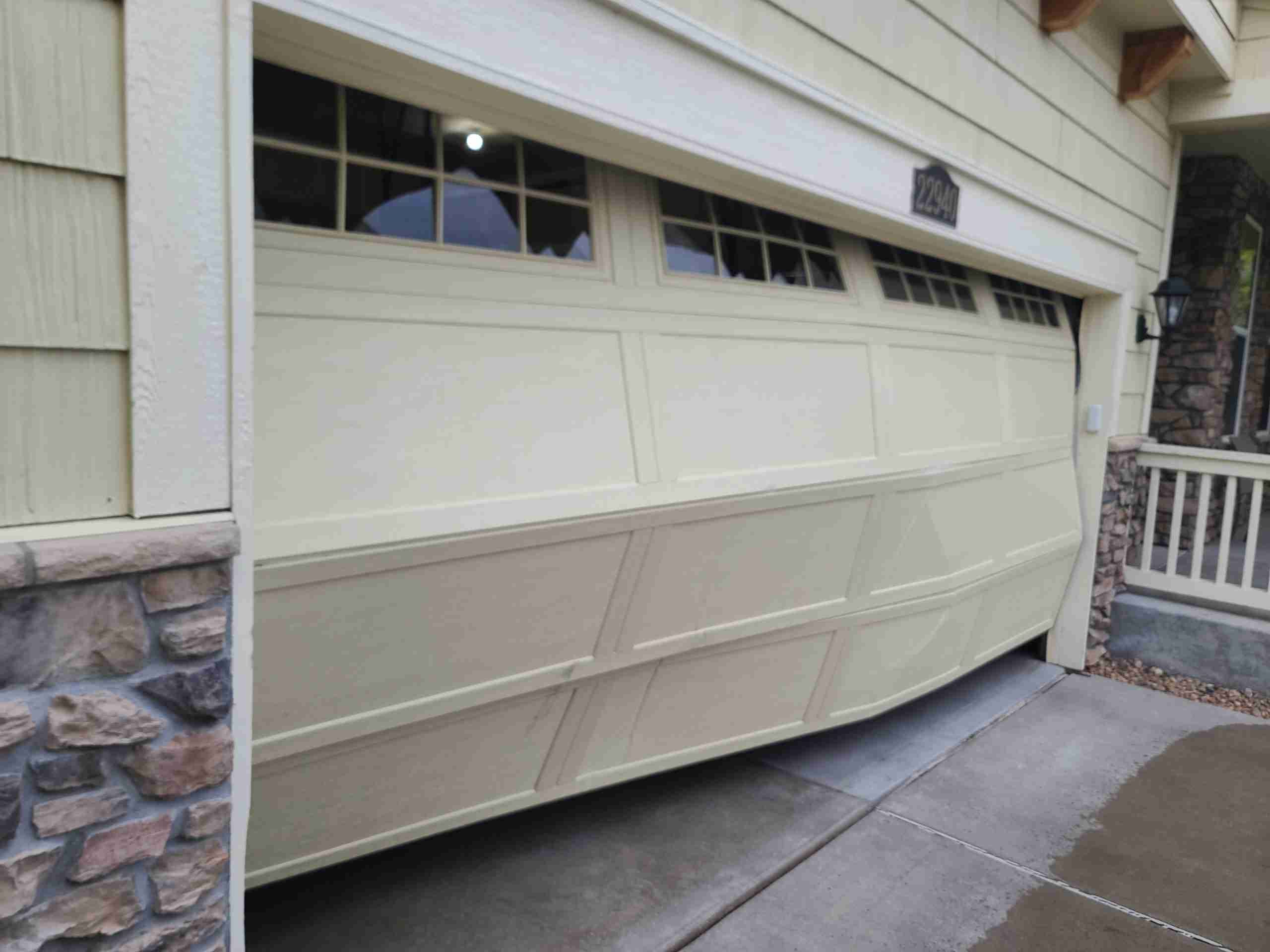
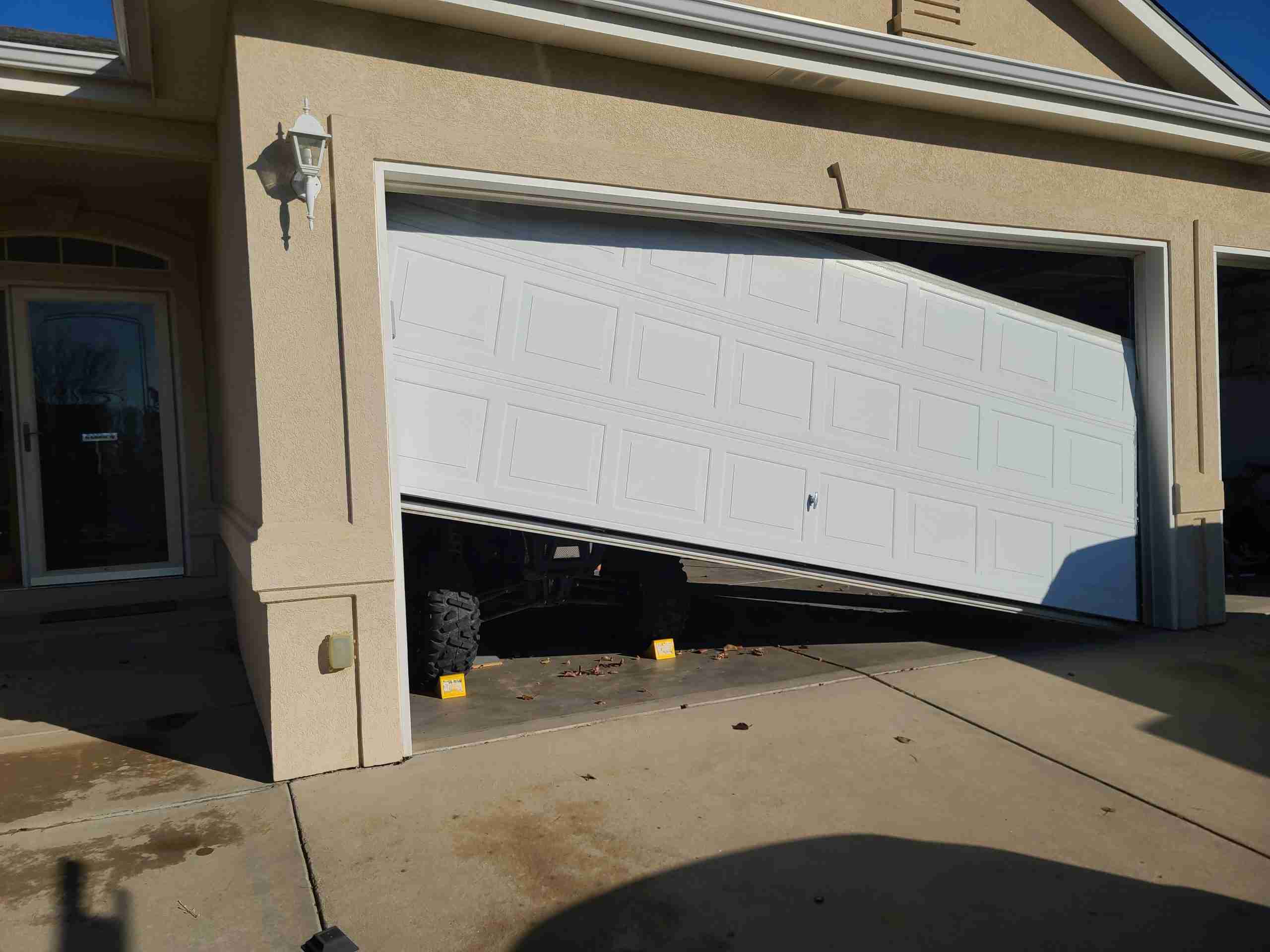
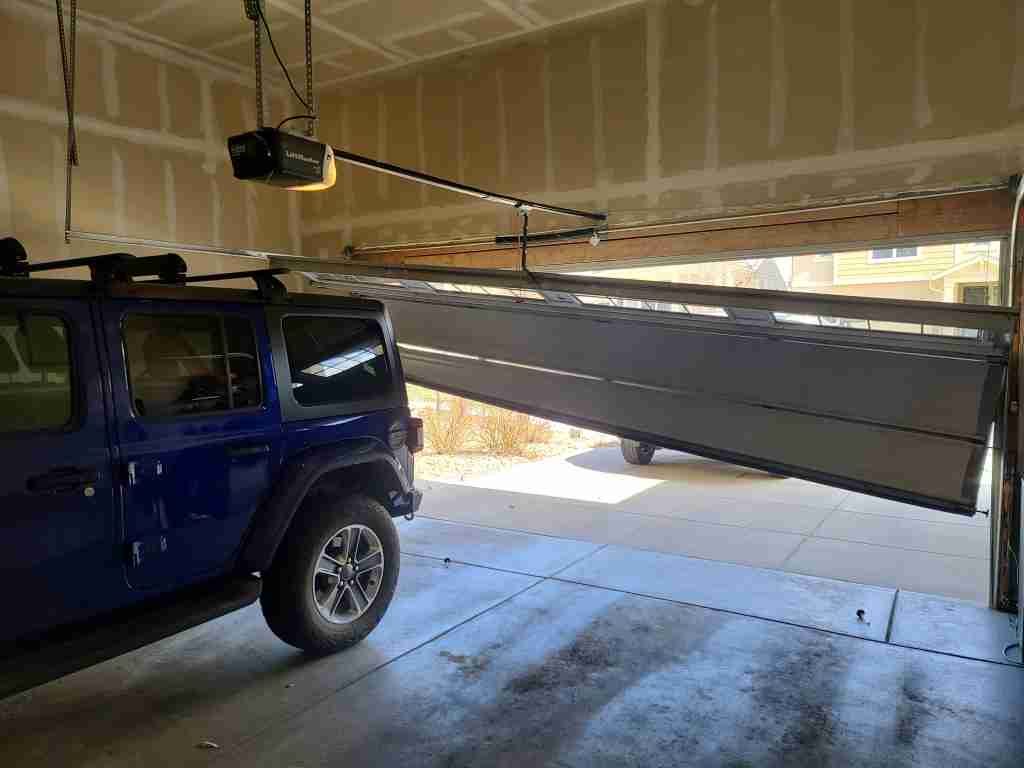
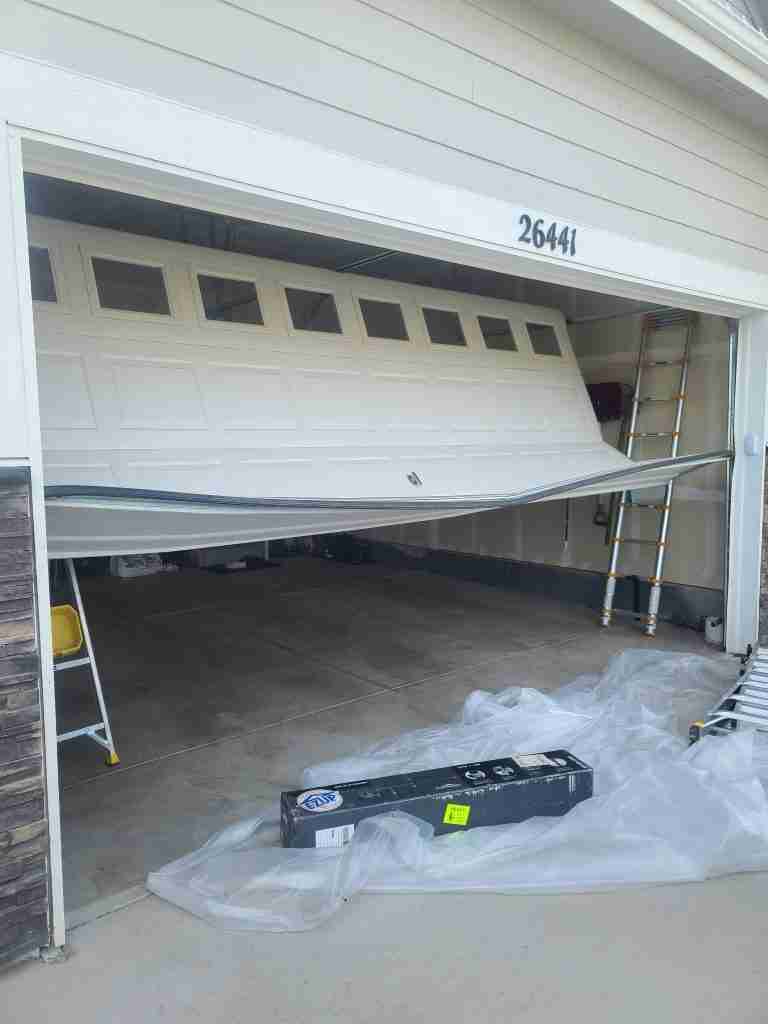
Every so often, what looks like a remote problem is actually connected to the door’s mechanics. If the door feels harder to lift by hand or seems unbalanced, the opener may sense too much resistance and refuse to move at all, even with a perfectly good remote. It is worth checking whether your door is stuck halfway or resisting movement, since that alone can make the whole system act unpredictable, remote included.
This kind of overlap is common enough that a few extra questions usually come up when someone calls about a remote that stopped working. Sometimes the real issue turns out to be a spring under too much tension or a track that has shifted slightly. A quick look at the door’s balance and movement usually shows whether this is a simple remote fix or something that needs a broader garage door spring repair check.
Getting Your Remote Back on Track
A garage door remote that stops working is annoying, but it is rarely a sign of anything serious. Most of the time it comes down to a battery, a signal issue, or a quick reprogramming job. Try the simple steps first, and if the door still will not respond, it is worth having someone take a proper look at the opener itself rather than guessing.
If the basics have been checked and the remote or opener still is not cooperating, Ariel Garage Door Services works with homeowners across Hollywood, FL or anywhere across Broward, Miami-Dade, or Palm Beach County, every week on exactly this kind of issue. Call (561) 677-2840 or reach out through the contact page to get the door looked at properly.
Frequently Asked Questions
Why is my garage door remote not working even after replacing the battery?
If a new battery doesn’t solve the problem, the remote may have lost its programming, the opener’s antenna could be damaged, there may be signal interference, or the garage door opener’s logic board may be failing. Try reprogramming the remote and checking the opener before calling for repairs.
How do I know if the problem is the remote or the garage door opener?
A simple way to tell is by using the wall-mounted control button. If the wall button opens the door but the remote doesn’t, the issue is likely with the remote. If neither the wall button nor the remote works, the opener may have a power, wiring, or internal component problem.
Can Wi-Fi or other electronics interfere with my garage door remote?
Yes. Devices such as Wi-Fi routers, LED light bulbs, baby monitors, cordless phones, and some security systems can interfere with the remote’s signal. If the remote only works at close range or intermittently, nearby electronic interference could be the cause.
How often should I replace my garage door remote battery?
Most garage door remote batteries last between one and two years, depending on how often the remote is used and the local climate. If you notice reduced operating range or inconsistent performance, replacing the battery is a good first troubleshooting step.
When should I call a professional for garage door remote problems?
Contact a garage door professional if you’ve replaced the battery, reprogrammed the remote, checked for interference, and confirmed the opener has power, but the remote still doesn’t work. Professional service is also recommended if the opener makes unusual noises, the door operates inconsistently, or you suspect an issue with the opener, springs, or electrical components.