If your garage door has started making a loud bang or feels heavier than usual when you lift it, the spring is probably close to the end of its life. Garage door springs wear out through repeated use, the same way brake pads or shoe soles do, and the metal just gets tired after enough trips up and down.
Most homeowners never think about their garage door spring until it snaps in the driveway on a Monday morning. Springs sit tucked above the door where nobody looks at them, so it’s easy to forget they even exist until the door stops working.
What the Numbers Actually Look Like
A standard garage door spring lasts around 7 to 10 years with normal daily use. Most home springs are built for about 10,000 open-and-close cycles. One cycle means one full trip up and one full trip down.
If your family uses the garage door as the main entrance to the house, you’re probably opening and closing it four times a day or more. At that pace, a standard spring reaches its cycle limit in roughly seven years. Homes that use the garage door less often can stretch that closer to 10 or 12 years.
Springs Are Rated in Cycles, Not Years
Garage door springs don’t wear out on a calendar. They wear out from being stretched and twisted, over and over, until the metal loses its strength. That’s why manufacturers rate springs by cycle count instead of age.
Here’s a rough breakdown of how usage affects lifespan:
| How Often You Use the Door | Cycles Per Day | Estimated Spring Life |
|---|---|---|
| Light use (weekend only, side entrance) | 1-2 | 12-14 years |
| Average family use | 3-4 | 6-8 years |
| Heavy use (large family, home business) | 6-8 | 3-5 years |
| Very heavy or commercial use | 10+ | 1-3 years |
A cycle is simple to picture. Every time the door goes up and comes back down, that’s one. A family heading out for work, school, and errands can rack up four or five cycles before dinner without even noticing.
Quick tip: Count how many times your household actually opens the garage door in a day. Most people guess low. If you're closer to 6 or more, you're wearing your spring down faster than the average estimate accounts for.
Torsion Springs vs Extension Springs
Most homes built in the last few decades use torsion springs. These sit on a metal bar mounted above the closed door and twist to store energy. Torsion springs are the more durable option of the two, and they tend to give a smoother, more controlled motion when the door opens.
Older homes, or homes with lighter doors, sometimes still use extension springs. These run along the horizontal tracks on either side of the door and stretch as the door closes. Extension springs carry a similar cycle rating to torsion springs, but they tend to wear unevenly because of the stress that stretching puts on the metal. A technician can tell you which type you have and whether it makes sense to upgrade during a spring repair visit.
| Features | Torsion Springs | Extension Springs |
|---|---|---|
| Location | Mounted on a bar above the closed door | Run along the tracks on each side of the door |
| How it works | Twists to store energy | Stretches to store energy |
| Common in | Most modern homes | Older homes or lighter doors |
| Durability | More durable, wears evenly | Wears unevenly from stretching |
| Motion | Smoother, more controlled | Can feel jerkier as it wears |
What Wears a Spring Down Faster
A few conditions can shorten a spring’s life well below its rated cycle count.
- Heat and humidity: South Florida weather is hard on metal parts. Constant humidity speeds up rust, which weakens the coils faster than dry, cool climates would.
- Dry, unlubricated coils: A dry spring creates more friction with every cycle. A light coat of garage door lubricant twice a year keeps the coils moving smoothly.
- Heavier doors: Solid wood or insulated steel doors put more strain on springs than lighter aluminum doors do.
- Poor installation: A spring sized wrong or installed under the wrong tension can fail within a year or two.
- Frequent use: More cycles per day means fewer years of service.
- Neglected rollers and tracks: Worn hardware elsewhere on the door forces the spring to work harder to compensate.
Signs Your Spring Is on Its Way Out
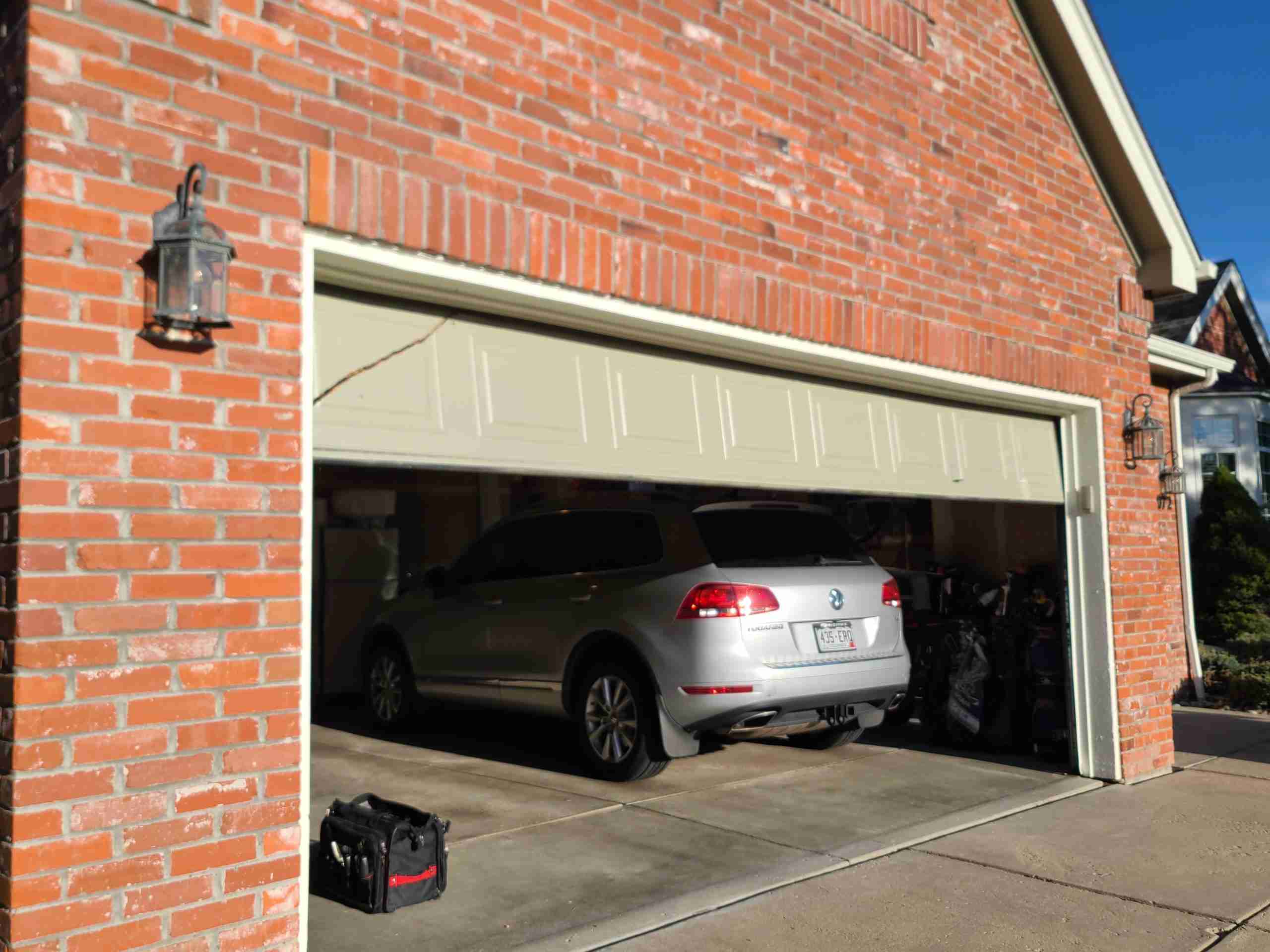
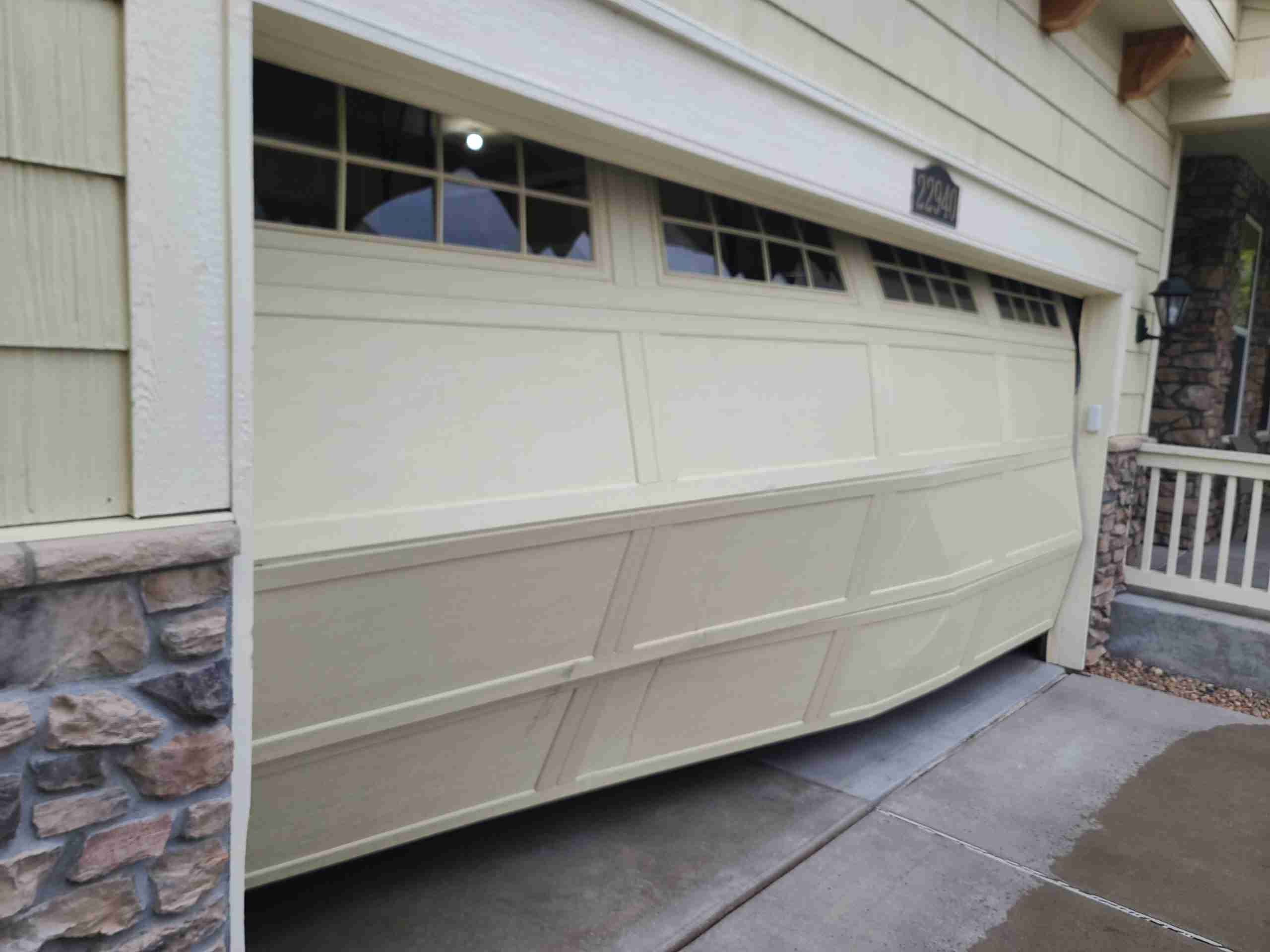
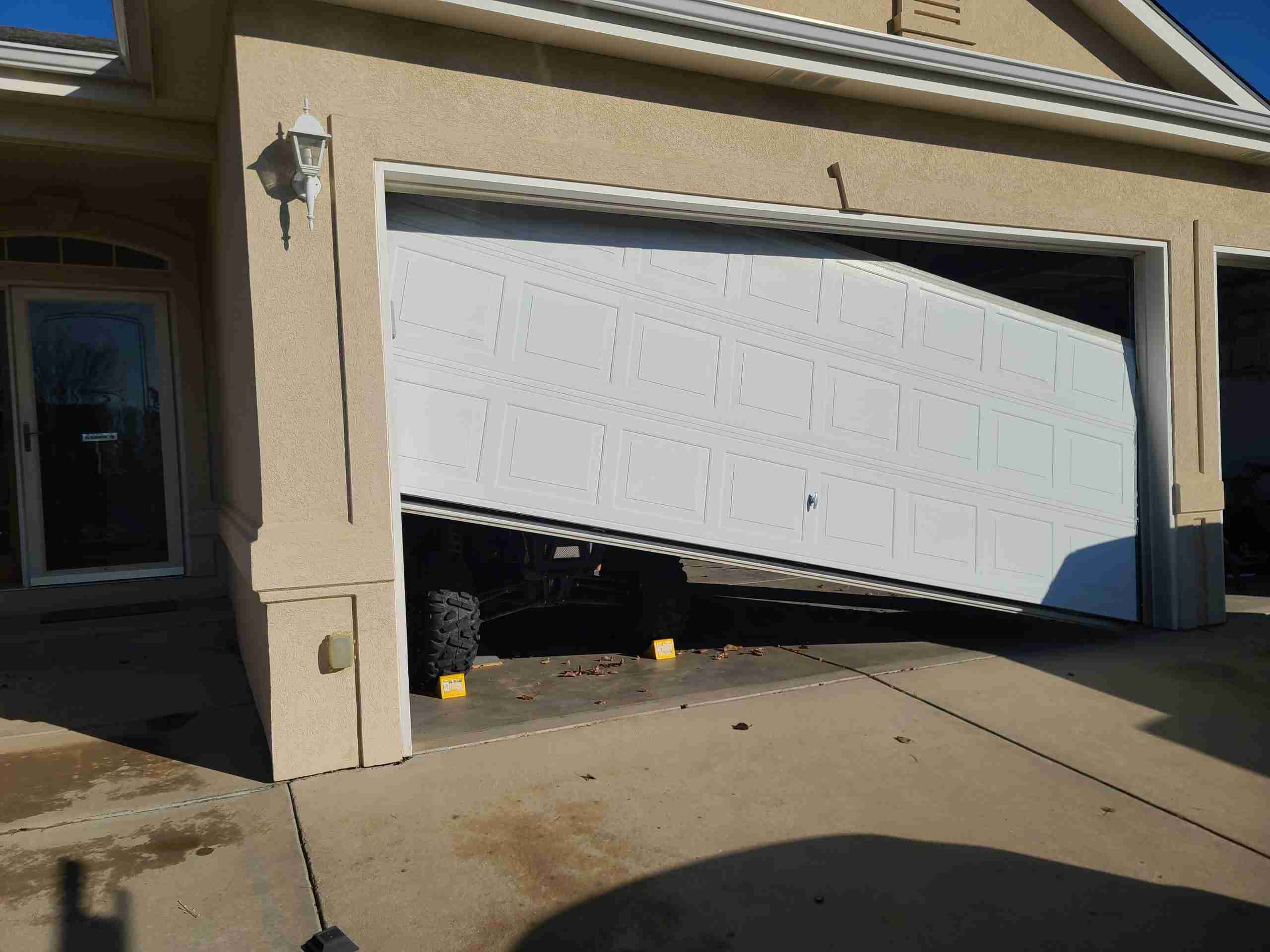
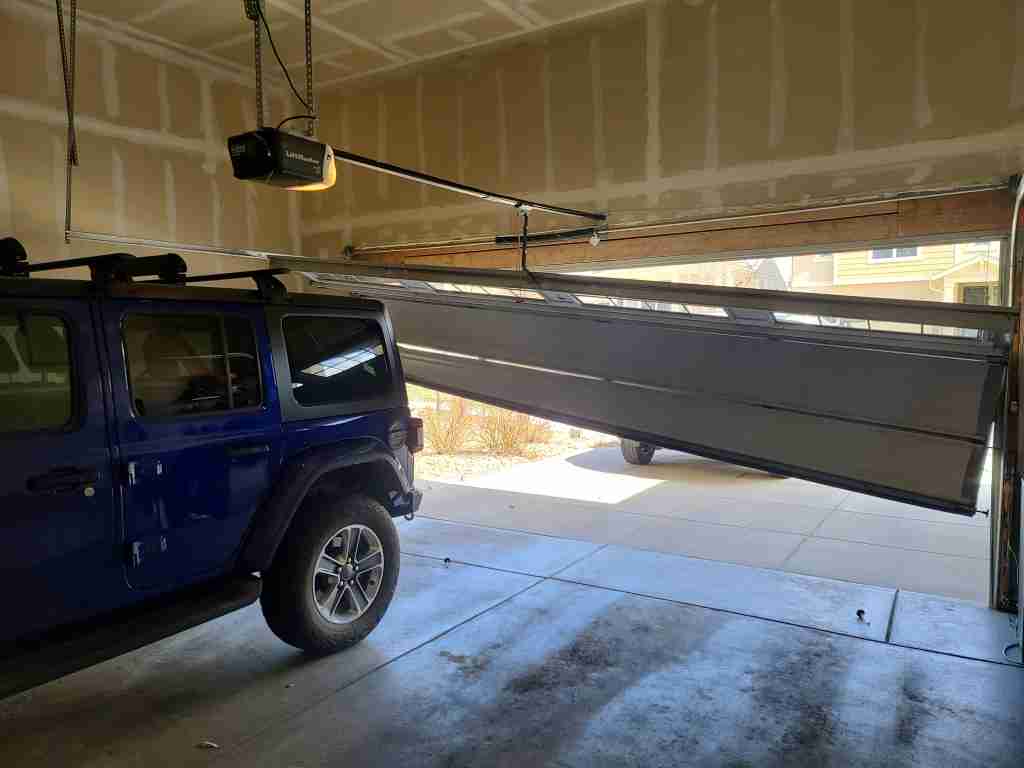
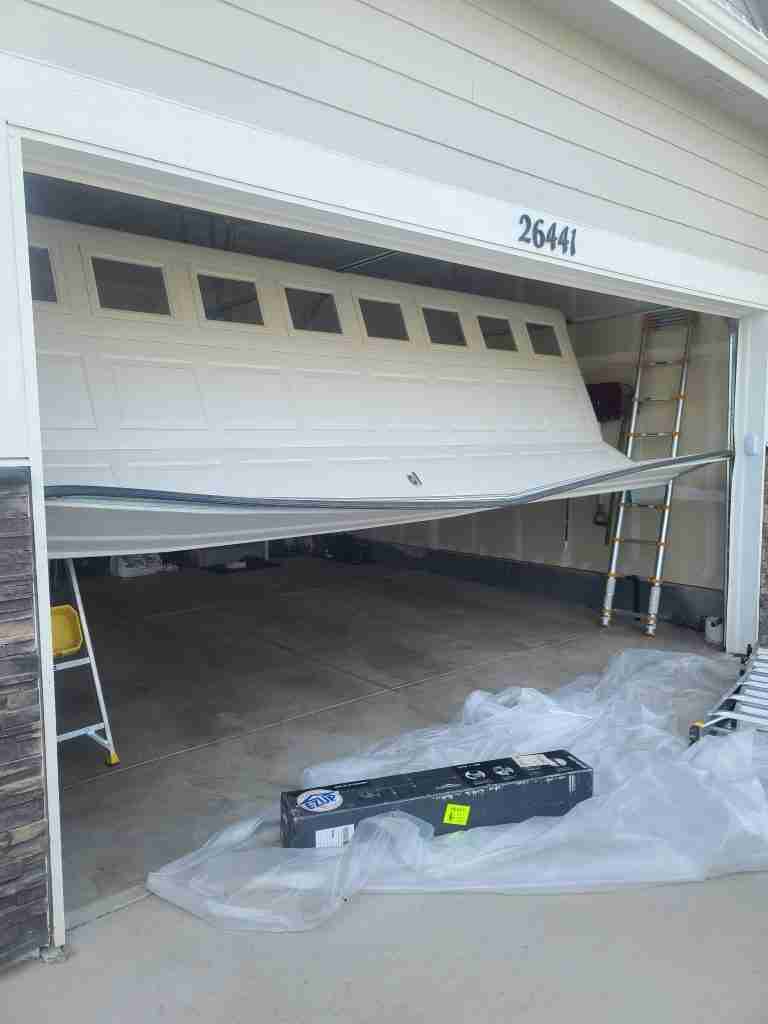
There are usually warning signs before a spring actually breaks. The door might open crooked, tilting to one side as it lifts. It may feel heavier than normal when you try to lift it by hand. You might hear popping or grinding sounds, or notice a gap opening up in the coils above the door. If your opener strains, stalls, or reverses on its own, the spring is often the reason. Sometimes that shows up as a garage door opener problem too, since the motor is fighting against a spring that can’t carry its share of the weight.
| Warning Sign | What It Usually Means |
|---|---|
| Door opens crooked or uneven | One spring has weakened more than the other |
| Loud bang from the garage | Spring has already snapped |
| Door feels heavy to lift by hand | Spring tension is nearly gone |
| Visible gap in the spring coil | Spring is broken or about to break |
| Door won't stay open on its own | Spring can no longer support door weight |
What Happens When a Spring Breaks
A broken spring is one of the most common reasons a garage door stops working. Without spring tension, the door becomes too heavy for the opener motor to lift on its own, so most openers just hum and stall in place.
A door with a broken spring can also slam down hard if it isn’t properly secured, and the spring itself holds a large amount of stored tension right up until it lets go. Replacing a spring without the right tools and training carries real risk, which is why most homeowners leave this repair to a professional. If your door has come off its track from the strain of an old spring, that’s a related but separate fix covered under off track repair.
Getting More Life Out of Your Springs
A spring will wear out eventually no matter what you do, but a few habits can slow that process down considerably.
- Lubricate the springs, hinges, and rollers every six months with a silicone or lithium-based garage door lubricant.
- Keep the tracks clean and clear of dirt or debris that adds resistance.
- Have the door’s balance checked, since an unbalanced door forces the spring to work harder than it should.
- Use an alternate entrance sometimes if you have one, especially during peak heat months.
- Schedule a yearly inspection so small issues get caught before they turn into a snapped spring.
High-Cycle Springs for Heavy Use
Standard 10,000-cycle springs work fine for most households, but a big family, a home business, or frequent deliveries can wear one down fast. High-cycle springs are rated for 20,000, 25,000, or even up to 100,000 cycles, which can stretch their lifespan well past a decade even with heavy daily use.
They cost more upfront, usually 40 to 60 percent more than a standard spring. But for a household replacing a spring every three or four years, the higher cycle count often pays for itself over time. It’s worth asking about when you’re already getting a spring replacement done, since the labor cost stays the same either way.
Why DIY Spring Replacement Isn't Worth the Risk
It’s tempting to search for a tutorial and try replacing a spring yourself, especially with parts sold online. But a wound torsion spring is holding a lot of force, and it takes the right tools and know-how to release and reset that tension safely. People get hurt doing this without proper training more often than you’d think.
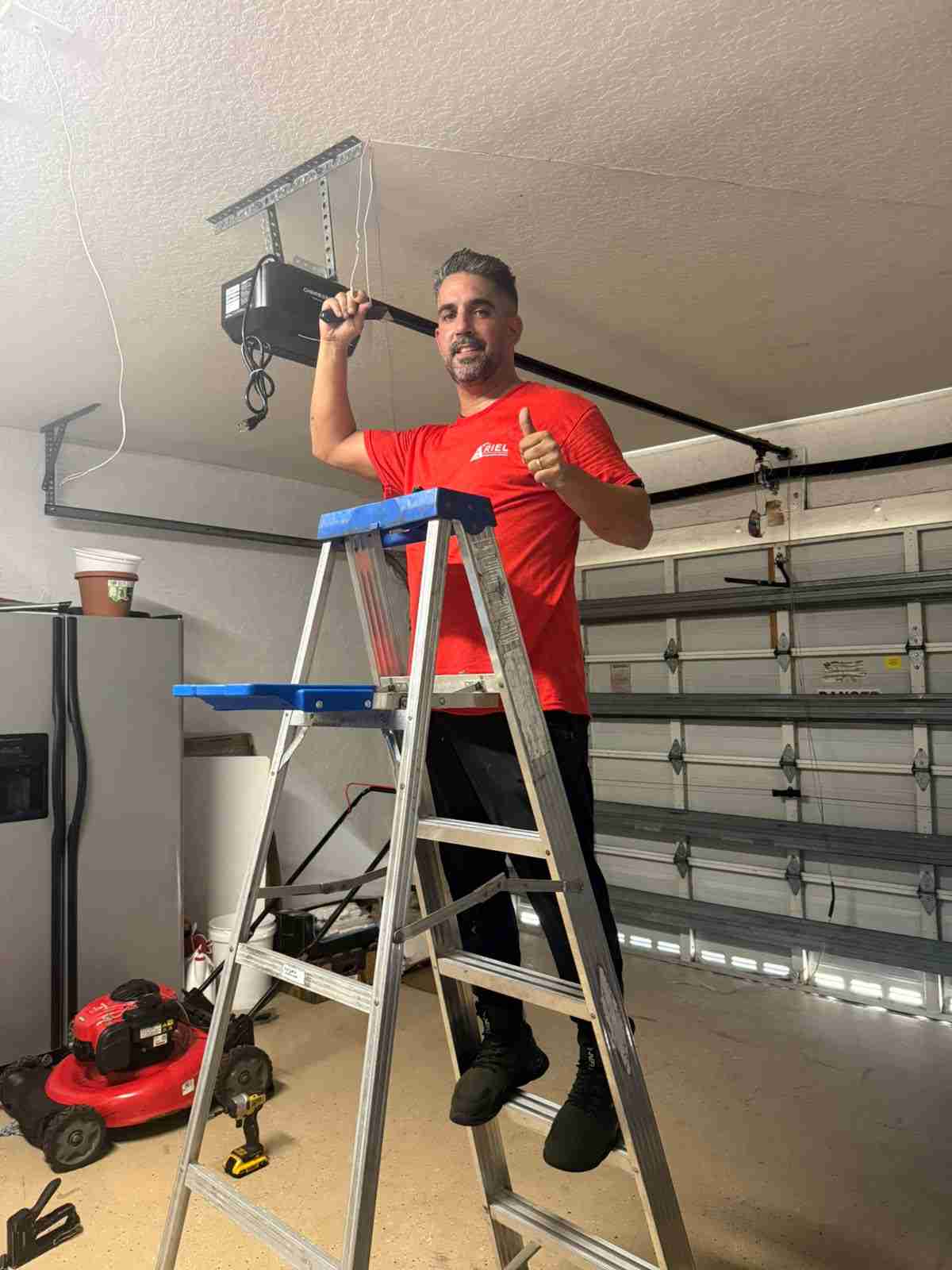
A trained technician has the right tools for the job and knows how to handle that tension safely. They’ll also check the rest of the door while they’re there, so a worn cable or a loose track gets caught before it causes another breakdown down the line.
When Your Springs Need a Second Look
A little attention to your garage door spring now can save you a stressful morning later, whether that means a quick lubrication routine or catching a warning sign before it turns into a snapped coil. Knowing roughly where your spring stands in its cycle life helps you plan a replacement on your own schedule instead of dealing with one during an emergency.
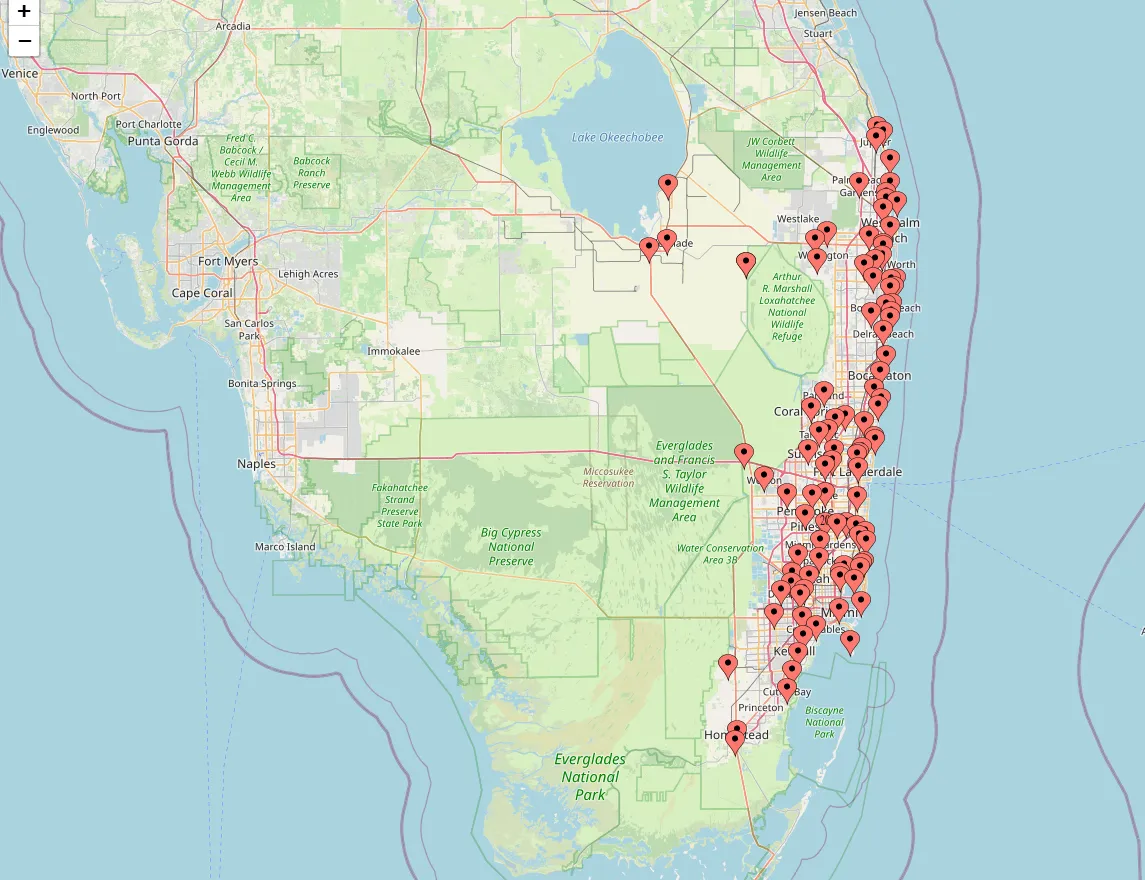
If your springs are making noise, look uneven, or you’re just not sure how much life is left in them, Ariel Garage Doors is a phone call away. We serve homeowners across Broward, Miami-Dade, and Palm Beach counties, and we’re happy to take a look and give you a straight answer about what your door needs. Reach out through our contact page or call us at (561) 677-2840.